How to structure an Indie Spotlight to maximize game visibility and player conversion?
The Power of a Well-Crafted Indie Spotlight
Indie game developers pour their hearts into creating unique experiences, but getting those games noticed in a crowded market is a colossal challenge. An ‘Indie Spotlight’ — whether it’s an article, a video feature, a podcast segment, or a dedicated event slot — is a potent tool for breaking through the noise. However, simply having a spotlight isn’t enough; its structure and content must be optimized to achieve two primary goals: maximizing visibility and driving player conversion.
This guide will walk you through the key elements of an effective Indie Spotlight, from initial hook to post-spotlight engagement, ensuring your efforts translate into tangible results for your game.
Section 1: The Irresistible Hook – Grabbing Attention Instantly
Your spotlight needs to capture attention within the first few seconds or paragraphs. Think of it as your game’s elevator pitch, but with more room to breathe. This initial segment is crucial for enticing viewers or readers to delve deeper.
- Compelling Headline/Title: Beyond the game’s name, craft a spotlight title that highlights its unique selling proposition (USP) or a fascinating aspect.
- Visually Striking Lead Image/Video Thumbnail: Choose a screenshot, key art, or video thumbnail that immediately communicates the game’s genre, art style, and mood. High quality is non-negotiable.
- Intriguing Opening Paragraph/Intro: Start with a question, a bold statement, or a brief, evocative description of what makes your game special. Avoid generic introductions.
Section 2: The Deep Dive – Showcasing Gameplay and Story
Once you have their attention, it’s time to deliver on the promise. This is where you elaborate on what makes your game fun, unique, and worth their time. Balance detail with conciseness, keeping your audience engaged.
Highlighting Core Mechanics
Explain the fundamental gameplay loop. What does the player do? How do they interact with the world? Use clear, concise language and avoid developer jargon. Comparisons to well-known games can be useful, but always emphasize your unique twist.
Unveiling the Narrative & World-Building
If your game has a strong story or lore, provide a glimpse without spoilers. Discuss the themes, setting, and characters that players will encounter. This helps build an emotional connection before they even play.
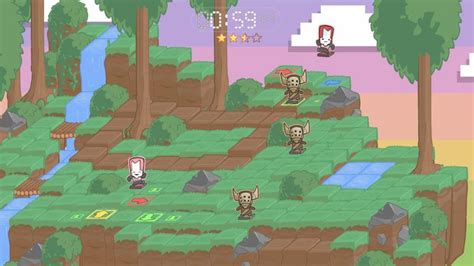
- Gameplay Footage/GIFs: A picture is worth a thousand words, and a short video clip or GIF is worth ten thousand. Show, don’t just tell, the most exciting gameplay moments.
- Developer Insights: Include brief quotes or anecdotes from the developers about the inspiration, challenges, or passion behind the game. This humanizes the project.
Section 3: Maximizing Visibility – Spreading the Word
A great spotlight is useless if no one sees it. Strategic distribution is key to reaching your target audience and beyond.
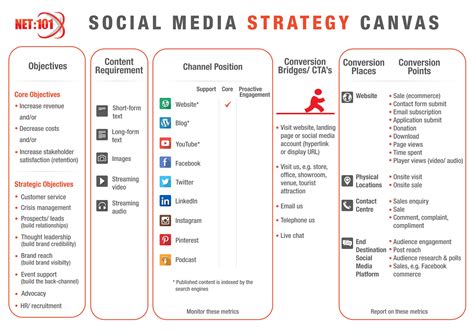
- Platform Selection: Distribute your spotlight across relevant gaming news sites, forums, subreddits, social media (Twitter, Instagram, TikTok, YouTube), and developer communities.
- SEO Optimization: If it’s a written piece, use relevant keywords (game title, genre, unique features) in the title, headings, and body to improve search engine ranking.
- Influencer Outreach: Share your spotlight with streamers, YouTubers, and content creators who cover similar games. A mention or re-share can significantly amplify reach.
- Press Kit Integration: Ensure your press kit is easily accessible and up-to-date with all assets used in the spotlight.
Section 4: Driving Player Conversion – Turning Interest into Action
Visibility is the first step; conversion is the ultimate goal. Every spotlight should have a clear path for interested players to take the next step.
Clear Calls to Action (CTAs)
Tell players exactly what you want them to do. Don’t make them search.
- Wishlist Link: Prominently display a link to your game’s Steam page or other storefronts for wishlisting.
- Demo Access: If a demo is available, provide a direct link and highlight what players can experience in it.
- Community Engagement: Link to your Discord server, social media, or newsletter signup to build a community.
- Pre-order/Purchase: If applicable, provide clear links for immediate purchase.
Proof of Quality and Anticipation
Reinforce trust and excitement.
- Awards/Accolades: Mention any awards, nominations, or positive early reviews your game has received.
- Release Date/Window: Clearly communicate when players can expect to play the game.
- Testimonials: If you have early access feedback or quotes from prominent figures, include them.
Section 5: Post-Spotlight Engagement – Keeping the Momentum
The spotlight doesn’t end when the article is published or the video goes live. Continuous engagement is vital.
- Monitor Comments & Feedback: Actively engage with comments on all platforms where the spotlight is shared. Respond to questions, thank supporters, and address concerns.
- Track Analytics: Use analytics (website traffic, wishlist additions, demo downloads) to understand the spotlight’s impact and inform future marketing efforts.
- Repurpose Content: Extract key takeaways, short clips, or compelling quotes from the spotlight to create smaller, shareable content for ongoing promotion.

Conclusion: A Strategic Approach to Indie Success
Structuring an Indie Spotlight with deliberate intent to maximize visibility and conversion is not merely about showcasing your game; it’s about building a bridge between your passion project and a community of eager players. By focusing on an engaging hook, a detailed yet concise exploration of your game’s appeal, strategic distribution, clear calls to action, and sustained post-spotlight engagement, you significantly increase your chances of transforming a momentary glance into a lasting player relationship and ultimate success for your indie title.