How to structure comprehensive gaming guides for clarity, readability, and SEO success?

The Foundation: Planning and Research
Creating a truly comprehensive gaming guide requires more than just knowing a game inside out; it demands meticulous planning and research. Before you even write the first sentence, take time to understand your target audience. Are they beginners needing basic explanations, or advanced players seeking intricate strategies? Define the scope of your guide: is it a full walkthrough, a class build, a boss strategy, or a lore deep-dive? Identifying your audience and scope will dictate the depth, tone, and overall approach of your content. Research existing guides to identify gaps or areas where you can offer superior insight or presentation.
Crafting a Logical Structure
A well-structured guide is a readable guide. Begin by outlining a logical flow for your content. A detailed Table of Contents (TOC) is indispensable, especially for lengthy guides, allowing users to quickly navigate to specific sections. Use a clear hierarchy of headings (<h2> for main sections, <h3> for subsections, <h4> for sub-subsections) to break down information into digestible chunks. This not only aids readability but also signals to search engines the organization and key topics of your content.
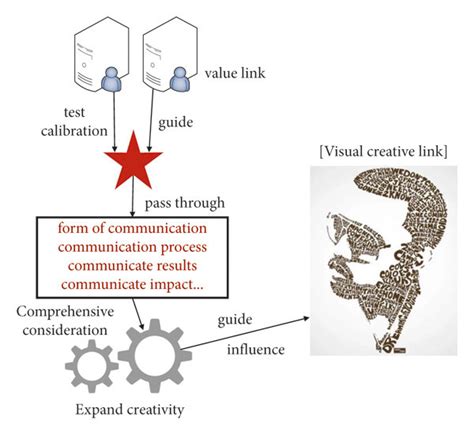
Consider a standard progression for your guide, perhaps starting with an introduction and basic mechanics, moving to advanced strategies, character builds, boss tactics, or item breakdowns, and concluding with FAQs or tips. Consistency in your section naming and ordering will create a seamless user experience.
Writing for Clarity and Engagement
Clarity is paramount. Use simple, direct language, avoiding unnecessary jargon where possible or explaining it clearly when essential. Break down complex game mechanics into easy-to-understand steps. Employ examples and scenarios to illustrate points, making abstract concepts concrete. Maintain a consistent tone throughout your guide – whether it’s informative, casual, or humorous. Proofread meticulously to eliminate grammatical errors and typos, as these can detract from your guide’s professionalism and credibility.

Enhancing Readability with Visuals and Formatting
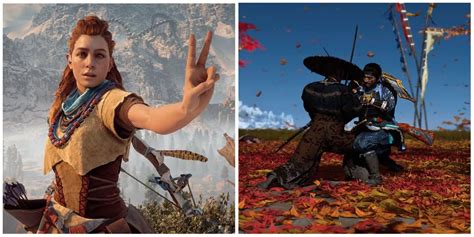
No one wants to read a wall of text. Leverage various formatting elements to improve readability. Use bullet points and numbered lists for steps or itemizations. Bold key terms, abilities, or important warnings. Incorporate high-quality images, screenshots, and diagrams at relevant points to visually explain mechanics, show locations, or display UI elements. Video embeds can be incredibly effective for demonstrating complex actions or walkthroughs. Infoboxes or callout boxes can highlight critical information or tips without disrupting the main flow of text.
Optimizing for Search Engines (SEO)
A brilliantly structured and written guide is only effective if people can find it. SEO is crucial. Conduct thorough keyword research to identify terms players use when searching for information related to your game and topic. Naturally integrate these keywords into your guide’s title, headings, introductory paragraphs, and throughout the content. Ensure your URLs are clean and descriptive. Optimize your meta descriptions to entice clicks from search results.
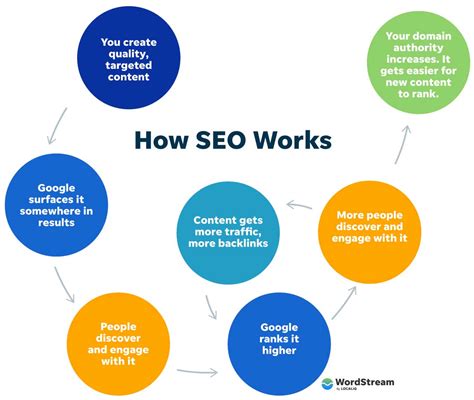
Internal linking to other relevant guides on your site helps distribute link equity and encourages users to explore more of your content. External links to official game wikis, patch notes, or reputable fan sites can add credibility. Consider structured data (schema markup) where applicable, for example, if your guide includes ratings, reviews, or specific item data, to enhance its appearance in search results.
Maintaining and Updating Your Guides
Gaming environments are dynamic; games receive patches, balance changes, and content updates. A comprehensive guide must evolve with the game. Schedule regular reviews of your guides to ensure accuracy. Update information to reflect new patches, meta shifts, or discovered strategies. Indicate when a guide was last updated to build trust with your audience. An outdated guide can quickly lose its value and authority.
Conclusion
Structuring comprehensive gaming guides for clarity, readability, and SEO success is a multi-faceted endeavor. It begins with solid planning, moves through logical organization and clear writing, is enhanced by visual aids, and ultimately relies on smart SEO practices and ongoing maintenance. By focusing on these core principles, you can create guides that not only help players conquer challenges but also establish your content as an authoritative and highly visible resource in the vast gaming landscape.