How to structure comprehensive gaming guides for quick player answers & easy navigation?
Creating a truly effective gaming guide goes beyond just compiling information; it demands thoughtful structure that prioritizes the player’s experience. In the fast-paced world of gaming, players are often looking for immediate solutions to specific problems, quick access to lore, or efficient walkthroughs. A well-organized guide not only serves this immediate need but also enhances user satisfaction and establishes your content as a reliable resource.
Understanding the Player’s Journey and Intent
Before you even begin writing, consider the various reasons a player might consult your guide. Are they stuck on a boss? Searching for a specific item location? Trying to understand a complex game mechanic? Or simply exploring the lore? Catering to these diverse intentions is the first step to building a guide that truly resonates.
- Problem Solvers: These players need direct answers, often to a single question.
- Explorers: Looking for comprehensive information about an area, character, or system.
- Completionists: Seek step-by-step instructions to achieve 100% completion.
- Lore Seekers: Interested in narrative details, character backstories, and world-building.
Essential Structural Elements for Clarity
Every comprehensive guide should incorporate several key elements that contribute to its overall navigability and usefulness.
Clear Introductions and Objectives
Start each section, and the guide as a whole, with a concise introduction that outlines what the player can expect to learn. State the objectives clearly so players can quickly determine if the section is relevant to their needs.
Comprehensive Table of Contents (TOC)
A clickable Table of Contents at the beginning of your guide is non-negotiable. It provides an immediate overview of all content and allows players to jump directly to relevant sections, saving them valuable time. For longer guides, consider a mini-TOC at the start of major sections too.

Logical Heading Structure (H2, H3, H4)
Utilize proper HTML heading tags (<h2>, <h3>, <h4>) to create a hierarchical structure. <h2> for major topics, <h3> for sub-topics, and <h4> for specific details. This not only makes the guide scannable but also aids accessibility and SEO.
Actionable Summaries and Conclusions
Consider adding brief summaries at the end of complex sections or a full conclusion at the end of the guide. These reinforce key takeaways and provide quick recaps for players returning to the guide.
Strategic Content Organization Approaches
The way you organize the core information depends on the game and the type of guide. Often, a blend of these approaches works best.
Linear Walkthroughs (Chronological)
Ideal for story-driven games or specific quest lines. This approach follows the game’s progression, detailing each step in order. Ensure clear markers for critical points, boss fights, and important item pickups.
Topic-Specific Sections (Modular)
For games with open-world elements, complex systems, or many distinct components (e.g., character builds, crafting, specific items, enemy types), organize content by topic. Each module should be self-contained but can link to related sections.
FAQ-Driven Content
Address common questions directly. This format is excellent for quick answers and troubleshooting, especially for mechanics that players frequently misunderstand or struggle with. This often complements linear or topic-specific sections.
Enhancing Readability and User Experience
Even the most perfectly structured guide will fail if it’s hard to read.
Formatting for Scannability
Use bold text for keywords, italicize game terms, and employ bullet points or numbered lists for steps or item lists. Break up long paragraphs into shorter ones. White space is your friend.
Visual Aids and Screenshots
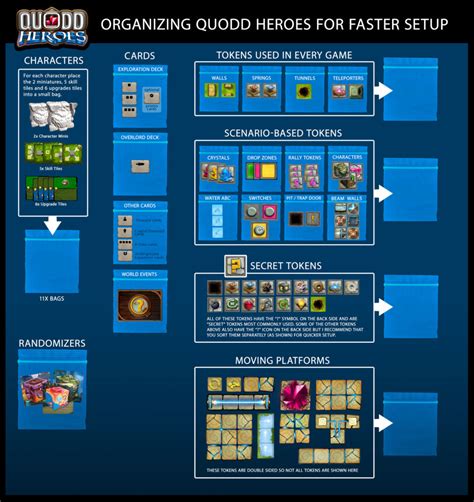
While this article cannot provide actual images, in your guides, strategically placed screenshots, maps, and diagrams can significantly enhance understanding. Label them clearly and integrate them seamlessly with the text.

Consistent Terminology
Always use the official in-game names for items, characters, locations, and abilities. Consistency prevents confusion and helps players find what they’re looking for, especially when searching.
Navigation Beyond the Page
Consider how your guide fits into a larger ecosystem of information.
Internal Linking
Within your guide, link relevant terms or concepts to other sections or related guides. For example, if you mention a specific weapon in a boss guide, link to a dedicated weapon guide. This creates a web of interconnected knowledge.
Search Engine Optimization (SEO)
Use relevant keywords naturally throughout your headings and content. This helps players find your guide through external search engines, bringing more traffic to your valuable content.

Maintaining and Updating Your Guides
Games evolve, and so should your guides. Regularly review and update your content to reflect patches, DLC, meta changes, or newly discovered strategies. Clearly mark when the guide was last updated to assure players of its relevance.
Conclusion
Structuring a comprehensive gaming guide is an art that blends clarity, accessibility, and user-centric design. By focusing on logical organization, strategic formatting, and anticipating player needs, you can create a resource that not only answers questions quickly but also builds a loyal audience eager for your expertise. Invest time in structure, and your guides will stand out as indispensable tools for any gamer.