





How to structure game guides to reduce bounce rate and improve time on page?
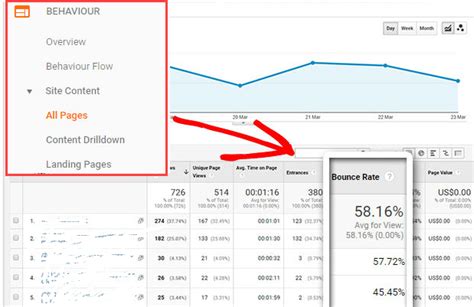
In the competitive world of online gaming, a well-structured game guide is more than just a source of information; it’s a powerful tool for engaging your audience, reducing bounce rate, and significantly improving time on page. Players often arrive at a guide with a specific query, and if they can’t quickly find what they need, they’re likely to leave. This article delves into actionable strategies for designing game guides that not only provide answers but also encourage deeper exploration.
Understanding the Player’s Journey and Intent
Before diving into structural elements, it’s crucial to understand why players visit your guide. Are they looking for a quick answer to a specific boss mechanic? A step-by-step walkthrough for a complex quest? Or are they exploring lore and build strategies? Tailoring your guide’s structure to match these diverse intentions is the first step towards user satisfaction and improved metrics. A user-centric approach ensures content is discoverable and digestible.
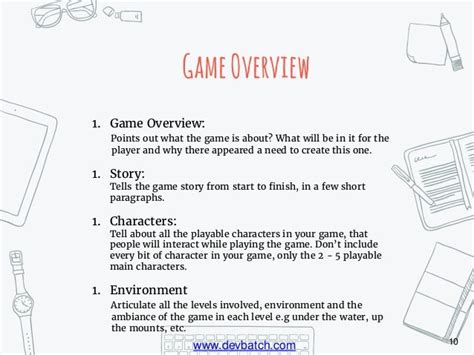
Essential Components for an Engaging Game Guide
1. The Power of a Clear Table of Contents (TOC)
For any guide longer than a few paragraphs, a prominent Table of Contents at the top is non-negotiable. It provides an immediate overview of the guide’s scope and allows users to jump directly to the section relevant to their query. Use anchor links for each section heading to facilitate seamless navigation, especially for mobile users.
2. Logical Headings and Subheadings (H2, H3, H4)
A hierarchical structure with clear, descriptive headings is paramount. H2 tags should introduce major sections (e.g., “Quest Walkthrough,” “Character Builds,” “Boss Strategies”), while H3 and H4 tags break down these sections into specific steps, items, or tactics. This not only improves readability but also aids search engine indexing, helping users find your guide more easily.

3. Scannable Paragraphs and Bullet Points
Avoid dense blocks of text. Break information into short, digestible paragraphs (3-5 sentences maximum). Utilize bullet points and numbered lists for steps, item lists, pros and cons, or skill descriptions. This makes the content scannable, allowing users to quickly extract key information without feeling overwhelmed.
4. Visual Aids: Images, Screenshots, and Videos
Visual content is incredibly powerful in game guides. Screenshots, in-game maps with marked objectives, item icons, or short video clips demonstrating complex mechanics can clarify information far better than text alone. Integrate these visuals strategically, always providing descriptive alt text for accessibility and SEO. Place them near the relevant text they illustrate.
5. Strategic Internal Linking
Don’t let your guide be a dead end. Link to related guides, character builds, lore articles, or other relevant resources on your site. This keeps users exploring your content, increases time on page across your domain, and strengthens your internal link profile for SEO benefits.
Advanced Tips for Maximizing Time on Page
1. Start with an Overview or Quick-Start Guide
For comprehensive guides, begin with a concise summary or a “TL;DR” section that provides the most critical information upfront. This caters to users who need immediate answers and helps them decide if they need to read the full guide.
2. Incorporate “Pro Tips” and “Common Pitfalls”
Adding specific sections or callout boxes for expert tips, common mistakes, or alternative strategies enriches the guide and offers added value. This depth encourages users to spend more time absorbing the nuanced information you provide.
3. Regular Updates and Community Engagement
Games evolve, and so should your guides. Regularly update content to reflect game patches, meta shifts, or new discoveries. Encourage comments and questions, and respond to them. An active, responsive guide signals freshness and reliability, fostering a sense of community and prompting revisits.
Measuring Success: Metrics That Matter
After implementing these structural changes, monitor your analytics. Look for improvements in:
- Bounce Rate: A lower bounce rate indicates users are finding what they need and staying on your page.
- Average Time on Page: Higher numbers mean users are engaging with more of your content.
- Scroll Depth: Tools that track scroll depth can show you how far users are reading down your guides.
- Internal Clicks: Track how often users click on your internal links to other guides.
Conclusion: A User-First Approach to Game Guides
Structuring game guides effectively is not just about organizing information; it’s about optimizing the user experience. By prioritizing scannability, clear navigation, visual support, and continuous engagement, you can transform your guides into indispensable resources that players bookmark and revisit. This thoughtful approach will naturally lead to reduced bounce rates, increased time on page, and ultimately, a more loyal and satisfied audience.



