



How to structure gaming guides for maximum clarity and quick problem-solving?
In the vast and ever-evolving world of video games, a well-crafted guide can be the difference between a player’s frustrating dead-end and triumphant success. However, merely providing information isn’t enough; the way that information is organized and presented dictates its utility. This article explores the essential principles and practical techniques for structuring gaming guides that achieve maximum clarity and facilitate lightning-fast problem-solving.
Understanding Your Audience and Their Needs
The first step in creating an effective gaming guide is to deeply understand your target audience. Are you writing for absolute beginners, seasoned veterans seeking niche strategies, or players stuck on a specific boss or puzzle? Tailoring your guide’s tone, detail level, and overall structure to these distinct needs is paramount. A beginner’s guide might require extensive foundational explanations, while an advanced guide can jump straight into complex mechanics. Anticipating common pain points, questions, and the precise moments when players will consult your guide allows you to front-load critical information and signpost solutions effectively.

Core Structural Elements for Seamless Navigation
A guide, no matter how comprehensive, is useless if its information cannot be easily accessed. Implementing strong structural elements is crucial for navigation and clarity.
1. Clear Table of Contents (TOC)
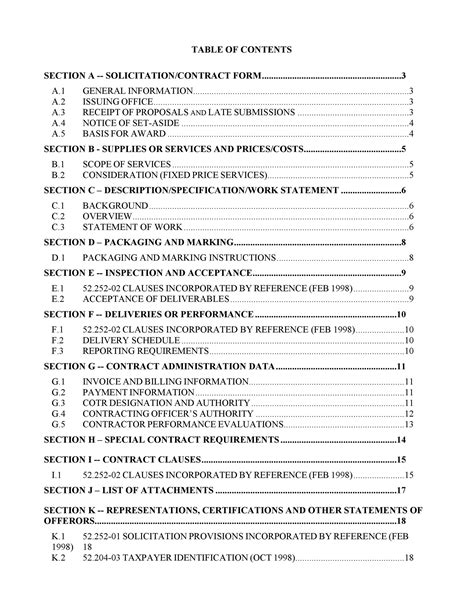
For any guide beyond a few paragraphs, a clickable Table of Contents at the beginning is non-negotiable. It provides an immediate overview of the guide’s scope and allows users to jump directly to the section relevant to their current problem. Organize your TOC logically, mirroring the game’s progression or specific problem categories.
2. Logical Headings and Subheadings
Employ HTML headings (`
`, `
`, `
`) to break down content into digestible chunks. Each heading should clearly indicate the topic of the following section. Use `
` for major topics (e.g., “Quest Walkthroughs”, “Boss Strategies”, “Character Builds”) and `
` or `
` for sub-topics (e.g., “Chapter 3: The Sunken City”, “Phase 1 Mechanics”, “Early Game Build”). This hierarchical structure makes scanning and comprehension significantly easier.
3. Introduction and Conclusion
`) to break down content into digestible chunks. Each heading should clearly indicate the topic of the following section. Use `
` for major topics (e.g., “Quest Walkthroughs”, “Boss Strategies”, “Character Builds”) and `
` or `
` for sub-topics (e.g., “Chapter 3: The Sunken City”, “Phase 1 Mechanics”, “Early Game Build”). This hierarchical structure makes scanning and comprehension significantly easier.
3. Introduction and Conclusion
` or `
` for sub-topics (e.g., “Chapter 3: The Sunken City”, “Phase 1 Mechanics”, “Early Game Build”). This hierarchical structure makes scanning and comprehension significantly easier.
3. Introduction and Conclusion
3. Introduction and Conclusion
Every guide should begin with a brief introduction that sets expectations, states the guide’s purpose, and perhaps lists any prerequisites. A concise conclusion can offer final tips, summarize key takeaways, or point players to related resources.
Enhancing Readability and Visuals
Beyond raw structure, how information is presented within those sections profoundly impacts clarity.
1. Concise Language and Bullet Points
Avoid overly verbose descriptions. Use clear, direct language. Whenever possible, break down complex instructions or lists of items into bullet points or numbered lists. This makes information digestible at a glance, which is vital when a player is in the middle of a stressful game situation.
2. Visual Aids and Screenshots
The old adage holds: a picture is worth a thousand words. High-quality, well-annotated screenshots or even short video clips are invaluable for demonstrating locations, puzzle solutions, enemy attack patterns, or UI elements. Ensure images are clearly labeled and relevant to the surrounding text.
3. Highlighting Key Information
Use bold text for important terms, names, or critical instructions. Consider using call-out boxes or distinct formatting for warnings, pro-tips, or common pitfalls. This draws the reader’s eye to the most crucial pieces of information, preventing them from being lost in longer paragraphs.
The Problem-Solving Focus
Ultimately, many players consult guides because they are stuck. Structuring for problem-solving means anticipating these sticking points.
1. Dedicated Troubleshooting Sections
For more complex games, consider a dedicated troubleshooting or FAQ section. Address common bugs, unexpected game behaviors, or frequently asked questions that might deviate from the main walkthrough. Organize these by symptom or area of the game.
2. Step-by-Step Instructions
When providing solutions to quests, puzzles, or boss fights, break them down into explicit, numbered steps. Each step should be a single, actionable instruction. Be precise with directional cues, item usage, and timing where relevant.
3. ‘What If’ Scenarios and Alternatives
Anticipate situations where players might have made different choices or be on an alternative path. Offer solutions or guidance for these ‘what if’ scenarios to ensure your guide remains helpful regardless of minor player deviations.

Conclusion: The Player-Centric Approach
Structuring gaming guides for maximum clarity and quick problem-solving isn’t just about organizing data; it’s about empathy for the player experience. By understanding your audience, implementing robust navigational elements, enhancing readability with concise language and visuals, and maintaining a laser focus on problem-solving, your guides will become indispensable tools. A well-structured guide not only helps players overcome challenges but also deepens their engagement and enjoyment of the game world.