How to structure gaming guides for quick answers & comprehensive detail?

Creating an effective gaming guide is a delicate balancing act. On one hand, players often need quick, precise answers to overcome an immediate obstacle. On the other, many seek a deep dive into mechanics, lore, and advanced strategies. The challenge lies in structuring your content so it satisfies both needs without overwhelming the user or making critical information hard to find.
The Dual Challenge: Speed vs. Depth
Imagine a player stuck on a boss fight, desperate for a quick strategy, or a new player trying to understand a complex crafting system. These distinct scenarios demand different approaches from a guide. A poorly structured guide might force the boss-fight player to wade through pages of lore, or leave the new player confused by a lack of context. The goal is a navigable, intuitive guide that respects the user’s time and knowledge level.
Foundational Principles for Effective Structure
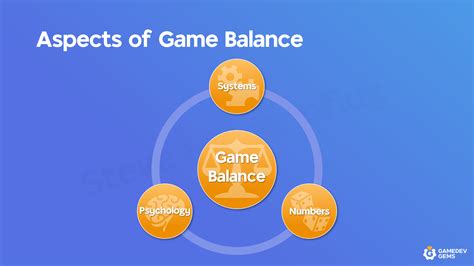
Before diving into specific techniques, consider these core principles:
- User-Centric Design: Always think about what the user needs and how they will search for it.
- Clear Hierarchy: Use headings, subheadings, and formatting to create a logical flow.
- Searchability: Optimize for in-page search (Ctrl+F) and external search engines.
- Consistency: Maintain a uniform style, tone, and formatting throughout.
Quick Answers: The “At-a-Glance” Approach
For players seeking immediate solutions, brevity and clarity are paramount. Here’s how to provide rapid answers:
Summary Boxes / TL;DR Sections
Place a concise summary at the very top of your guide or section. This should contain the essential information, often in bullet points, allowing players to grasp the core solution instantly without scrolling.
Effective Headings and Subheadings
Use descriptive headings (e.g., “Boss Weaknesses,” “Crafting Recipe: Potion of Healing”) that clearly signpost the content below. This allows users to scan quickly and jump to relevant sections.
Bullet Points and Numbered Lists
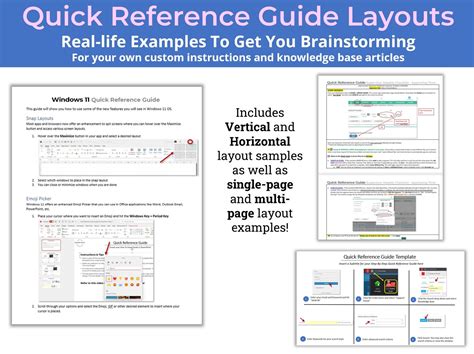
For step-by-step instructions, item lists, or crucial tips, bullet points and numbered lists break up text and make information digestible at a glance.
Comprehensive Detail: Diving Deeper
Once the immediate need is met, or for players explicitly seeking a thorough understanding, your guide should offer rich, detailed content without being overwhelming.
Step-by-Step Walkthroughs
For quests, dungeons, or complex mechanics, detailed, numbered steps are invaluable. Supplement these with explanations of why certain actions are taken.
Context and Lore Integration
Explain the ‘why’ behind mechanics or the ‘how’ within the game’s narrative. This enriches the experience for players who enjoy the lore and want to understand the game world better.
Advanced Strategies and Alternatives
Cater to experienced players by including optimal builds, advanced combat techniques, alternative solutions, and discussions of trade-offs for different approaches.
Appendices and Glossaries
For information that is useful but not critical to the main flow (e.g., full item lists, character stats, deep lore dives, or terminology definitions), create dedicated sections or links to external resources. This keeps the primary guide streamlined.
Integrating Both: A Hybrid Model
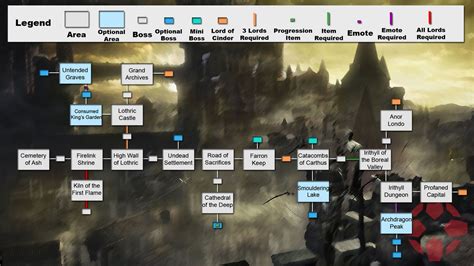
The key to success is often a hybrid approach, where quick answers lead into comprehensive detail.
- Start Broad, Then Narrow: Begin with the “what” and “how” (quick answer), then follow with the “why” and “what if” (comprehensive detail).
- Internal Linking: Use hyperlinks to connect summary sections to their detailed counterparts further down the page or on separate, dedicated pages. For example, a TL;DR bullet point could link directly to the detailed explanation of that specific step.
- Collapsible Sections (Concept): While not directly implementable in raw HTML, imagine using UI elements that allow users to expand or collapse detailed sections. This keeps the default view clean but makes deep dives readily available.
By prioritizing the user’s journey, you can craft guides that are not only informative but also highly efficient and enjoyable to use. The ultimate goal is to anticipate player needs and provide the right level of information at the right time.
Key Takeaways for Guide Writers
- Always begin with the user’s likely intent.
- Use clear, descriptive headings and subheadings.
- Leverage bullet points and summary boxes for quick information.
- Provide detailed explanations and context for thorough understanding.
- Employ internal linking to connect related information seamlessly.
Mastering this balance transforms a mere collection of facts into an invaluable resource that serves players of all skill levels, whether they need a quick lifeline or a deep dive into the game’s intricacies.