



How to structure gaming guides for quick answers & spoiler-free progression?

The Art of the Effective Gaming Guide
Creating a truly useful gaming guide is a delicate balance. On one hand, players want quick answers to pressing questions – where to find an item, how to defeat a boss, or what to do next. On the other hand, many desire a spoiler-free experience, only seeking help when genuinely stuck and wishing to uncover the game’s narrative and surprises on their own. This article will explore best practices for structuring your gaming guides to cater to both needs, ensuring they are both accessible and considerate.
Prioritizing Navigation and Clarity
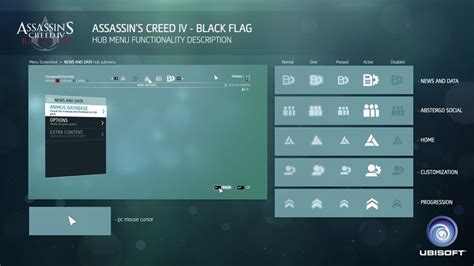
The cornerstone of a quick-answer guide is excellent navigation. Players should be able to jump directly to their point of interest without endless scrolling or reading through irrelevant sections. Start with a robust table of contents. For web-based guides, this means anchor links that jump to specific <h2> or <h3> headings. Each heading should be descriptive enough to give a clear idea of the content within that section.
Utilizing Clear Section Headings
Break down the game into logical segments. For linear games, this might be by chapter, quest, or significant location. For open-world titles, consider breaking it down by region, major questlines, or specific gameplay mechanics (e.g., “Crafting,” “Side Quests: [Region Name]”). Use <h2> for major sections and <h3> for sub-sections to create a hierarchical structure that’s easy to skim.
Implementing Spoiler-Free Progression
Protecting the player’s experience from spoilers is paramount. This requires careful consideration of what information is revealed and how. A general rule is to offer solutions with minimal narrative exposition unless absolutely necessary for clarity.
Strategic Spoiler Warnings
Whenever a guide must touch upon plot points, character deaths, or major twists, clearly mark it. Use a distinct visual cue, such as a collapsible text box or a clearly labeled section like “SPOILER ALERT: Story Details Ahead!” before diving into the sensitive information. Advise players to skip these sections if they wish to remain unspoiled.
Separating Optional Content and Collectibles
Often, players only need help with main story progression, not finding every hidden collectible or completing every side quest. Structure your guide so that these optional elements are in dedicated sections, separate from the core walkthrough. This allows players to follow the main path uninterrupted and return for extras later if they choose.

Quick Reference and Actionable Advice
Beyond navigation, the content itself needs to be structured for rapid information retrieval. Think about common questions players ask and how to present the answers concisely.
- Bullet Points and Lists: Ideal for step-by-step instructions, item locations, or boss attack patterns.
- Tables: Excellent for presenting data like enemy weaknesses, item stats, or character skill trees.
- Highlighted Keywords: Use
<strong>or<em>tags for important item names, locations, or key actions. - “At a Glance” Summaries: For complex sections, offer a brief summary at the top that provides the most critical information immediately.
For example, if describing a puzzle, first state the solution simply, then provide the detailed explanation for those who need more context. Always put the “answer” first, then the “why.”
Tools and Best Practices
The platform you use for your guide can influence its structure. Wikis excel at interlinking and dynamic content, while blog posts might rely more on sequential readability. Regardless, the core principles remain.
Testing and Feedback: Have others test your guide. Do they get stuck? Is it easy to find what they need? Does it spoil anything unintentionally? This iterative process is crucial for refining your structure.
Visual Aids: While our anchors are empty, in a real guide, strategically placed screenshots, maps, or short video clips can significantly enhance clarity and reduce the need for lengthy text descriptions, especially for complex visual puzzles or precise locations.
Conclusion
Structuring gaming guides for quick answers and spoiler-free progression is about thoughtful design and empathy for the player’s experience. By prioritizing clear navigation, segmenting content, implementing careful spoiler warnings, and presenting information concisely, you can create a valuable resource that enhances rather than detracts from the joy of discovery. A well-crafted guide doesn’t just tell players what to do; it empowers them to progress at their own pace, getting help only when and where they truly need it, preserving the magic of the game.