How to structure gaming guides for quick answers & zero spoilers?
The Imperative for Smart Guide Design
In the vast world of video games, players frequently seek assistance, whether they’re stuck on a boss, searching for a hidden collectible, or trying to solve a tricky puzzle. However, the last thing any player wants is to stumble upon a major story spoiler while looking for a simple clue. Crafting effective gaming guides means striking a delicate balance: providing immediate, relevant answers without ruining the game’s narrative surprises. This article will delve into the best practices for structuring your guides to achieve this crucial goal.
Embrace Modularity and Clear Sectioning
The foundation of any good, spoiler-free guide is modularity. Break your content down into distinct, self-contained units that address specific problems or areas of the game. Avoid monolithic blocks of text that force users to scroll endlessly. Each section should have a clear purpose and title, allowing users to jump directly to their point of need.
Use Descriptive Headings
Employ clear, concise, and descriptive headings (<h3>, <h4>) throughout your guide. Instead of vague titles like “Chapter 3,” opt for “Chapter 3: The Sunken City – Finding the Ancient Key” or “Boss Guide: Defeating the Shadow Weaver.” This allows players to quickly scan for the exact information they need without reading through irrelevant content.
Prioritize Navigation and Accessibility
A well-structured guide is also an easily navigable one. Players should be able to find their answers within seconds, not minutes. Implement features that enhance quick access.
Table of Contents (TOC)
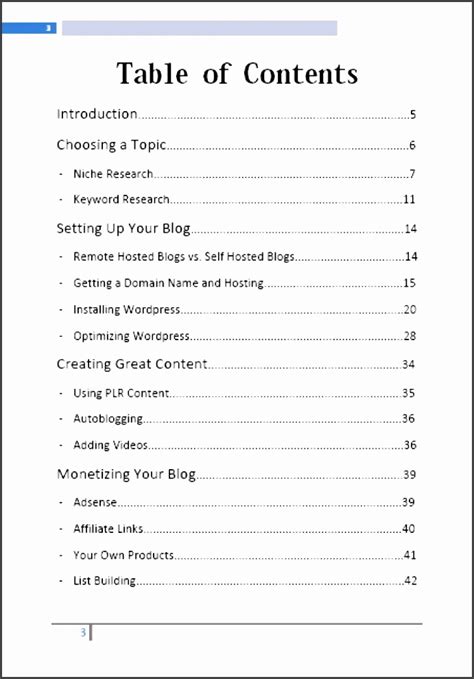
A robust, linked Table of Contents at the beginning of your guide is non-negotiable. This allows players to see all the major sections at a glance and jump directly to the relevant part. For longer guides, consider a floating or sticky TOC that remains visible as the user scrolls.
Internal Linking and Searchability
Where appropriate, use internal links to connect related sections within your guide. If a player needs a specific item for a quest, link to the section detailing how to acquire that item. Furthermore, optimize your guide for search engines and ensure the language used in headings and introductory paragraphs aligns with common player queries.
Implement Robust Spoiler Prevention Tactics
This is where careful planning truly shines. Preventing spoilers requires a conscious effort in both content creation and presentation.
Explicit Spoiler Warnings
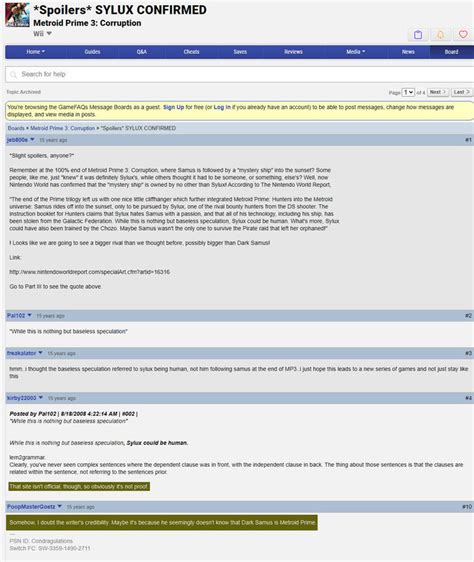
For sections that *must* contain plot-sensitive information (e.g., alternative endings, lore deep dives), place a prominent spoiler warning at the very beginning of that section. Consider using expandable content boxes or separate pages for such details, so users have to actively choose to view them.
Focus on Mechanics, Not Narrative
Whenever possible, frame your solutions in terms of gameplay mechanics and objectives rather than narrative events. For example, instead of “After the villain betrays you, go to the secret lab,” say “To progress to the next area, locate the secret lab entrance.” Detail *how* to do something, not *why* from a story perspective.
Strategic Content Omission (Where Possible)
Sometimes, the best way to avoid a spoiler is to simply not include it if it’s not absolutely essential to the immediate problem a player is trying to solve. For example, if a player is looking for how to beat a specific enemy, describing the enemy’s motivations might be a spoiler and is likely irrelevant to their immediate need.

Structure for Quick Answers
Players often come to guides with a specific question in mind. Your guide should be designed to answer that question as quickly and efficiently as possible.
Front-Load Key Information
Present the solution or the most crucial information at the very beginning of each section or even the guide itself, especially for common problems. If there are multiple steps, a bulleted list or a quick summary can provide immediate value before diving into detailed explanations.
Question-and-Answer Format
For frequently asked questions, a dedicated Q&A section can be incredibly effective. List common questions and provide concise answers, often with links to more detailed sections of the guide if further explanation is needed. This mimics how players often search for information.

Popular Structural Approaches
Depending on the game, different organizational methods work best:
- By Quest/Chapter: Ideal for story-driven games, with each main quest or chapter having its own dedicated section.
- By Objective/Problem: Useful for open-world or sandbox games where players might tackle objectives in any order (e.g., “How to acquire X item,” “Where to find Y collectible”).
- By Location: Especially effective for games with distinct geographical areas, grouping all relevant information for a specific map zone.
- Hybrid Approach: Combining elements, like a main quest walkthrough with separate appendices for collectibles or side quests.
Carefully consider the nature of the game when deciding on your primary organizational structure. The goal is always to anticipate player needs and deliver information in the most intuitive way possible.
Conclusion
Creating an exceptional gaming guide goes beyond just knowing the game – it requires thoughtful structure and a deep understanding of player psychology. By prioritizing modularity, clear navigation, stringent spoiler prevention, and quick-answer formatting, you can craft guides that are not only incredibly helpful but also enhance the overall gaming experience for your audience. A well-structured guide serves as a valuable companion, illuminating paths without extinguishing the flame of discovery.