How to swiftly adapt optimal builds to major patch meta shifts?

Major game patches are the earthquakes of the digital world, often shaking up the established meta and rendering previously dominant strategies obsolete overnight. For competitive players and enthusiasts alike, the ability to swiftly adapt optimal builds isn’t just an advantage—it’s a necessity for staying competitive and enjoying the game to its fullest. This guide will walk you through the essential steps and mindset required to navigate these tumultuous periods and emerge stronger.
Deconstructing the Patch Notes
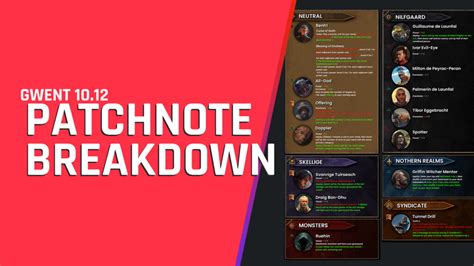
The first and most critical step in adapting to a new meta is a thorough understanding of the patch notes. Don’t just skim; read every detail, paying close attention to changes that affect core mechanics, itemization, skill interactions, and character balance. Identify direct buffs and nerfs to popular builds, but also look for subtle changes that might indirectly empower or weaken certain playstyles. Sometimes, a seemingly minor tweak to a foundational system can have cascading effects across the entire game.
Identifying Key Meta Indicators
Once you’ve absorbed the patch notes, begin to hypothesize about potential meta shifts. Which characters or items received significant buffs that could make them overpowered? Which popular strategies were directly targeted with nerfs? Look for patterns: if a specific damage type was buffed, consider builds that utilize it. If a defensive stat was nerfed, glass cannon builds might become more viable. This initial analysis helps narrow down the vast possibilities into a manageable set of potential new optimal builds.
Keep an eye on early community reactions and professional player analyses, but approach them with a critical mind. While valuable, initial reactions can sometimes be skewed or based on limited testing. Use them as data points, not definitive answers.
The Art of Theorycrafting and Simulation
Before diving headfirst into live games with unproven strategies, engage in theorycrafting. This involves using tools like build calculators, damage simulators, and even just pen and paper to crunch numbers and predict the performance of new builds. Consider different combinations of gear, skills, and stats based on your patch note analysis. This stage is about identifying builds that show promise on paper, minimizing the time and resources spent on live testing for clearly suboptimal options.

Controlled Experimentation and Iteration
With a few promising theoretical builds in hand, it’s time for real-world testing. Start with low-stakes environments, such as unranked matches, training modes, or custom games. Focus on understanding how the changes feel in actual gameplay, rather than purely on win/loss records initially. Pay attention to:
- Does the build feel clunky or smooth?
- Are its power spikes where you expect them to be?
- How does it interact with different opponents and team compositions?
- Are there unforeseen synergies or weaknesses that weren’t apparent in theorycrafting?
Gather data, refine your understanding, and don’t be afraid to scrap an idea if it’s not working. This iterative process of testing, learning, and adjusting is crucial.

Leveraging Community Insights and Professional Play
As the meta begins to solidify, observe how top players and the wider community are adapting. Watch streams, read guides, and engage in discussions. Professional players often have the resources and time to discover optimal strategies much faster. While blindly copying isn’t always the best approach—your playstyle and skill level might differ—their findings can provide invaluable shortcuts and validation for your own discoveries. Understand why they are playing certain builds, not just what they are playing.

The Mindset of Flexibility and Continuous Learning
The most important tool in your arsenal for adapting to meta shifts is a flexible mindset. The meta is rarely static; it continues to evolve even after the initial patch shock. Be prepared to continuously learn, adjust, and challenge your own assumptions. What’s optimal today might be suboptimal tomorrow with further discoveries or subsequent mini-patches. Embrace experimentation, view failures as learning opportunities, and always be on the lookout for the next big thing.
Staying ahead of the curve means not just reacting to changes, but proactively anticipating them and understanding the underlying game design philosophies that drive development decisions.

Conclusion
Adapting swiftly to major patch meta shifts is a skill that blends analytical thinking, practical experimentation, and a continuous learning attitude. By meticulously dissecting patch notes, engaging in thoughtful theorycrafting, conducting controlled in-game tests, and leveraging the collective wisdom of the community, you can ensure your builds remain optimized and your competitive edge sharp. Remember, the meta is a living entity; those who embrace its fluidity are destined to thrive.