How to update game guides efficiently for new patches?

In the dynamic world of online gaming, new patches are a constant. While they bring exciting content, balance changes, and bug fixes, they also pose a significant challenge for content creators who manage game guides. An outdated guide quickly loses its value, potentially misleading players. The key is not just to update, but to do so efficiently, minimizing downtime and maximizing accuracy.
The Perpetual Challenge of Game Patches
Game developers regularly release patches to evolve their titles, addressing issues, introducing new mechanics, or shifting the meta. For guide writers, this means a continuous cycle of reviewing, testing, and revising existing content. Failing to keep up can lead to a loss of audience trust and relevance. Understanding the scope of potential changes, from character abilities to item stats and map layouts, is the first step towards an efficient update process.

Pre-Patch Preparation: Your First Line of Defense
Efficiency begins long before a patch hits live servers. Proactive preparation can save countless hours later on:
- Monitor Official Channels: Regularly check developer blogs, official forums, social media, and dedicated news sites for upcoming patch previews, developer diaries, and early patch notes.
- Utilize Test Servers (PTS/PTR): If the game offers a Public Test Server or Realm, jump in. This allows you to experience changes firsthand, test new mechanics, and identify impacts on existing strategies before the patch goes live.
- Outline Potential Changes: Based on preliminary information, create a checklist or an outline of guides most likely to be affected. Highlight specific sections within those guides that will require immediate attention.
Patch Day Action Plan: Swift Assessment and Prioritization
When the patch drops, a focused action plan is crucial to avoid feeling overwhelmed:
- Rapid Review of Official Patch Notes: Go through the full patch notes immediately. Identify critical changes that have a high impact on core game mechanics, popular strategies, or widely used builds.
- Prioritize Updates: Not all guides need to be updated simultaneously. Focus on guides that cover game-breaking changes, major meta shifts, or those that receive the highest traffic. For instance, a guide on a heavily nerfed character should take precedence over a minor environmental change.
- Quick Verification: Jump into the game or watch trusted streamers/content creators for initial confirmation of changes. This rapid, albeit sometimes brief, hands-on experience can help validate the patch notes and guide your updates.

Leveraging Tools and Techniques for Efficiency
Smart tools and structured approaches can drastically cut down update time:
- Version Control Systems: For complex guides, using a system like Git or even built-in document revision histories (Google Docs, Microsoft Word) allows you to track changes, revert to previous versions, and see exactly what was modified.
- Modular Guide Structure: Design your guides with a modular approach. Break them into smaller, independent sections (e.g., separate sections for character abilities, item builds, strategy tips). This way, when a specific ability changes, you only need to update that one module, not the entire guide.
- Templates: Standardized templates for guide formatting, imagery, and disclaimers ensure consistency and speed up content creation and modification.
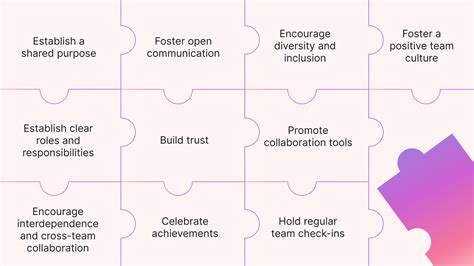
- Collaborative Platforms: If you work with a team, platforms like Notion, Google Docs, or a dedicated wiki can facilitate real-time collaboration, task assignment, and review processes, ensuring multiple hands can efficiently work on updates simultaneously.
Maintaining Accuracy and Engaging the Community
An efficient update process isn’t just about speed; it’s also about accuracy and community interaction:
- Update Log/Changelog: Include a small section at the top or bottom of your guide indicating when it was last updated and what major changes were addressed. This builds trust and helps users understand the guide’s currency.
- Solicit Community Feedback: Your audience is a powerful resource. Encourage players to report errors, suggest new strategies, or highlight overlooked changes. Create a dedicated feedback mechanism (comments section, forum thread, Discord channel).
- Regular Review Schedule: Even for guides not directly impacted by a patch, schedule periodic reviews to ensure they remain relevant. The meta can shift subtly over time, even without direct numerical changes.

Promoting Updated Guides
Once your guides are updated, don’t forget to announce it. Share your updated content on social media, gaming forums, and your website’s news section. Highlight the key changes addressed in the update, encouraging discussion and further engagement. This not only informs your audience but also drives traffic back to your refreshed content.

Conclusion
Updating game guides for new patches is an ongoing commitment, but it doesn’t have to be a daunting task. By adopting a proactive mindset, structuring your content intelligently, leveraging collaborative tools, and engaging with your community, you can streamline the process significantly. Efficient guide updates ensure that your content remains a trusted and valuable resource for gamers, helping them navigate the ever-evolving landscapes of their favorite titles.