





How to update game guides efficiently post-patch without overwhelming readers?

Navigating the Post-Patch Update Landscape
Game developers constantly evolve their creations through patches and updates, bringing new content, balancing changes, and bug fixes. For guide creators, this presents a perpetual challenge: how do you keep your guides current and accurate without spending endless hours or flooding your readers with confusing, piecemeal information? The key lies in strategic planning and a reader-centric approach to content management.

Prioritize Critical Changes First
Not every patch necessitates a complete overhaul of your guides. Start by identifying the most impactful changes that directly affect gameplay, strategies, or progression. These might include:
- Core Mechanics Adjustments: Changes to how abilities work, item stats, or fundamental game systems.
- New Content: Introduction of new characters, zones, quests, or game modes.
- Major Balance Shifts: Significant buffs or nerfs that alter meta-strategies.
- Crucial Bug Fixes: Patches that correct exploits or game-breaking issues that your guide might have addressed.
By focusing on these high-priority items, you can deliver the most critical updates quickly, ensuring your readers have accurate information where it matters most, without getting bogged down in minor details.
Implement Clear Visual Cues and Versioning
Transparency is vital when updating guides. Readers need to quickly discern what has changed and when. Employ clear visual indicators to highlight updated sections:
- “Updated” Tags: Place a small, visible tag (e.g., “[UPDATED for Patch X.Y]”) next to changed paragraphs or sections.
- Highlighting: Use subtle background colors or text styles for recently modified text, perhaps with a legend explaining the color code.
- Version History: Maintain a dedicated “Patch History” or “Change Log” section at the beginning or end of your guide, detailing major alterations with dates.
- Date Stamps: Always include a “Last Updated” date at the top of your guide.
These cues help readers quickly scan for relevant changes and understand the guide’s current relevance without having to re-read everything.

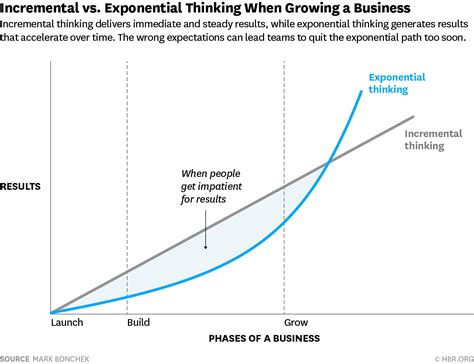
Incremental Updates vs. Full Overhauls
Decide whether a patch warrants a minor tweak or a major revision. For smaller patches with limited impact, incremental updates are best. Go directly to the affected sections, make precise edits, and apply your visual cues. For massive expansions or game-altering patches, a full overhaul might be necessary. In such cases:
- Announce the Overhaul: Inform readers that a significant update is underway and provide an estimated completion time.
- Staggered Release: If the guide is extensive, release updated sections incrementally rather than waiting for the entire guide to be perfect.
- Archive Old Versions: Consider archiving previous versions of the guide for historical context or for players who might be playing on an older patch.
Balancing these approaches prevents reader frustration from outdated information while also managing your workload effectively.
Leverage Community Feedback and Collaboration
You don’t have to be a lone wolf in the guide-updating process. The gaming community is a treasure trove of knowledge:
- Monitor Forums and Discords: Keep an eye on community discussions about patch changes. Players often quickly discover nuances that guide writers might miss.
- Solicit Feedback: Explicitly ask readers for corrections or missing information in your guide’s comment section or a dedicated feedback channel.
- Collaborate: If you’re part of a larger guide-writing team, distribute the workload and proofreading responsibilities.
Engaging with your audience not only helps maintain accuracy but also builds a stronger, more invested readership.
Conclusion
Efficiently updating game guides post-patch without overwhelming readers is a blend of prioritization, clear communication, and smart workflow management. By focusing on critical changes, using transparent versioning, choosing between incremental updates and full overhauls, and leveraging community insights, you can maintain high-quality, relevant guides that serve your audience effectively. This systematic approach ensures your guides remain a valuable resource in the ever-evolving landscape of modern gaming.



