





How to update outdated game guides for SEO and player engagement?
Why Your Outdated Game Guides Need an Overhaul
In the fast-paced world of gaming, guides can become obsolete almost overnight. New patches, expansions, meta shifts, and community discoveries constantly reshape optimal strategies and gameplay mechanics. An outdated guide isn’t just unhelpful; it can actively mislead players, damage your site’s credibility, and tank your search engine rankings. Keeping your game guides fresh is paramount for both attracting new players via search engines and retaining your existing audience through valuable, accurate content.

Identifying Outdated Content: The First Step
Before you can update, you need to know what needs updating. This process involves a critical audit of your existing library:
- Game Patches & DLC Releases: Stay on top of official game announcements. Every major patch or new expansion is a red flag for potential guide obsolescence.
- Community Feedback: Pay attention to comments sections, forums, and social media. Players are quick to point out inaccuracies or missing information.
- Website Analytics: High bounce rates on specific guides, low time-on-page, or a significant drop in organic traffic can indicate a guide is no longer serving its purpose effectively.
- Competitor Analysis: See what newer guides from competitors are covering that yours might be missing or misrepresenting.
Boosting SEO: Making Your Guides Discoverable
Updating for SEO goes beyond just adding new information; it’s about optimizing how search engines perceive and rank your content. A guide can be perfectly accurate but invisible if not properly optimized.
Keyword Research & Integration
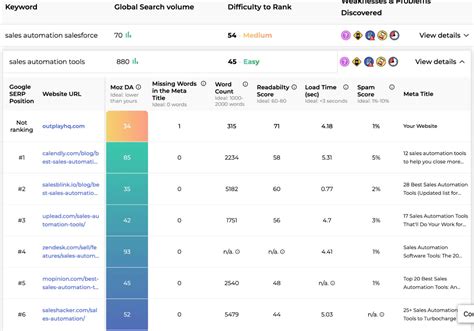
Recalibrate your keyword strategy. New game features, items, or strategies often come with new jargon that players are searching for. Use keyword research tools to find relevant long-tail keywords, related queries, and current popular search terms. Naturally integrate these into your guide’s title, headings, introduction, and throughout the body text.
On-Page Optimization
Ensure your meta titles and descriptions are compelling and accurately reflect the updated content, including new keywords. Optimize your headings (H1, H2, H3) to create a clear hierarchy for both readers and search engine crawlers. Consider adding schema markup (e.g., HowTo schema) to help search engines understand the structured nature of your guide and potentially display rich snippets.
Internal & External Linking
Link to other relevant, updated guides on your site to improve internal navigation and spread ‘link juice’. Where appropriate, link to authoritative external sources (official game wikis, developer posts) to add credibility, but ensure these links are still active and relevant.
Enhancing Player Engagement: Keeping Them Hooked
An updated guide should not only be found but also keep players engaged once they arrive. High engagement signals tell search engines your content is valuable, creating a positive feedback loop.
Accuracy, Clarity, and Depth
Thoroughly re-verify every piece of information. Are builds still viable? Are item stats correct? Are quest steps still accurate? Rewrite confusing sections for improved clarity. Consider adding new sections that cover advanced strategies, common pitfalls, or alternative approaches that have emerged since the guide’s original publication.
Visuals & Multimedia Integration
Outdated guides often lack modern visual appeal. Replace old, low-resolution screenshots with new, high-quality images reflecting current game visuals. Embed updated video walkthroughs, boss fight guides, or build demonstrations where appropriate. Visuals break up text, illustrate complex concepts, and significantly improve user experience.
Interactive Elements & Community Features
Where feasible, consider adding interactive elements. This could include updated build calculators, skill tree planners, or interactive maps. Encourage engagement through a well-moderated comments section where players can share their own tips, ask questions, or provide feedback on the guide’s accuracy. This not only keeps content fresh but also builds a community around your guides.

Practical Steps for Implementation
Updating a large library of guides can seem daunting, but a structured approach makes it manageable.
- Prioritize: Start with your highest-traffic guides, those with the most urgent inaccuracies, or those covering popular, current game content.
- Create an Update Log: For each guide, maintain a small ‘last updated’ section or a change log detailing what was modified and when. This builds trust with your audience.
- Content Refresh, Not Just Edit: Don’t just tweak a few sentences. Treat it as a full content refresh, checking every section for relevance and accuracy.
- Promote Your Updates: Once a guide is updated, don’t let it sit idly. Share it on social media, in relevant gaming communities, and consider re-featuring it on your homepage or newsletter.
Conclusion: The Ongoing Commitment to Quality
Updating game guides is not a one-time task but an ongoing commitment to providing the best possible resources for your audience. By systematically identifying outdated content, strategically optimizing for SEO, and relentlessly focusing on player engagement, you can transform your archive of guides into a dynamic, authoritative, and highly valued resource that keeps players coming back for more.



