Indie devs: How to effectively pitch for a game *Spotlight* feature?

Why a Spotlight Feature Matters for Indie Games
For independent game developers, visibility is a golden ticket. In an increasingly crowded marketplace, getting your game noticed by players and platforms can feel like searching for a needle in a haystack. A coveted “Spotlight” or “Featured” placement on a major platform, digital storefront, or even a prominent media outlet can provide an immense boost, driving significant traffic, wishlists, and sales. It’s a stamp of approval that can elevate your game from obscurity to widespread recognition.
But how do you get your game onto that illustrious list? It starts with an effective pitch – a concise, compelling argument for why your game deserves the attention. This guide will walk you through the process, from preparation to delivery, ensuring your masterpiece gets the limelight it deserves.

Understanding What Curators Seek
Before you even begin to write your pitch, it’s crucial to understand the mindset of the people you’re pitching to. Platform curators, editors, and influencers are looking for several key elements:
- Uniqueness & Innovation: What makes your game stand out? Is it a fresh take on a genre, an innovative mechanic, or a truly original concept?
- Quality & Polish: Is the game well-made, stable, and visually appealing? A buggy demo or unpolished assets are immediate red flags.
- Story & Theme: Does your game have a compelling narrative, an interesting world, or a resonant theme that will capture imaginations?
- Audience Appeal: Who is your game for, and why will they love it? Is there a clear target demographic?
- Market Readiness: Is the game nearing release or recently launched? Is there enough content for a meaningful feature?
Preparation is Key: Laying the Groundwork
1. Polish Your Game to a Shine
This goes without saying, but it’s the most critical step. Your game should be as close to a finished, bug-free, and enjoyable state as possible. Curators don’t want to feature potential; they want to feature a great experience. Ensure your demo or playable build accurately represents the final product.
2. Identify Your Unique Selling Points (USPs)
What are the 2-3 core aspects that make your game special? Is it a unique art style, a groundbreaking gameplay loop, an emotional story, or a novel control scheme? Be able to articulate these clearly and concisely. This forms the backbone of your pitch.
3. Create a Professional Press Kit
A well-organized press kit is indispensable. Host it on your website or a dedicated press page, and ensure it includes:
- High-Resolution Screenshots: Action shots, beautiful vistas, UI examples.
- Compelling Trailer: A short, exciting video showcasing gameplay and key features.
- Key Art/Logo: High-quality versions for use in features.
- Fact Sheet: Game title, developer, genre, release date, platforms, key features, contact info.
- Short & Long Descriptions: Different lengths for different needs.
- Developer Bio: A brief story about your team.
4. Research Your Targets
Don’t send generic emails to everyone. Research the platforms, curators, or media outlets you’re approaching. What kind of games do they typically feature? What’s their tone? Personalize your outreach.
Crafting the Irresistible Pitch
Now, let’s assemble your pitch. Remember, brevity and impact are paramount. Curators are busy people.
1. The Subject Line: Grab Attention Immediately
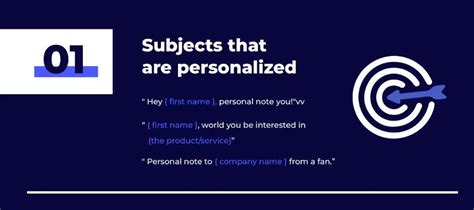
Your subject line is your first impression. Make it clear, concise, and intriguing. Include your game’s name and a hook. Examples:
- “Pitch: [Your Game Name] – A [Genre] with [Unique Mechanic]”
- “[Your Game Name]: The [Adjective] [Genre] You’ve Been Waiting For”
2. The Opening Hook: Get Them Interested in Seconds
Start with a powerful, one-sentence description of your game that highlights its core appeal. Think of it as an “elevator pitch.”
3. Elaborate on Your USPs: What Makes It Special?
Dedicate a short paragraph (2-3 sentences) to expand on those unique selling points you identified earlier. Focus on why these features create a fun, memorable, or innovative experience.
4. Demonstrate Polish and Progress
Briefly mention that your game is polished, or in a specific stage of development (e.g., “Our demo is available now”). This reassures them about the game’s quality.

5. Provide Essential Information and Assets
Include direct, easily clickable links:
- Link to your game’s store page (if launched) or a demo build.
- Link to your press kit (where all screenshots, trailers, and info reside).
- A link to your most recent trailer on YouTube/Vimeo.
- Clear contact information.
6. Personalize and Conclude
Address the curator by name. Briefly mention why you think your game would be a good fit for their platform/audience (based on your research). Thank them for their time and offer to provide any further information or a personal walkthrough.
Follow-Up and Patience
Once you’ve sent your pitch, patience is key. Curators receive hundreds of pitches. Give them a reasonable amount of time (e.g., 1-2 weeks) before sending a polite, brief follow-up email. Do not pester them. If you don’t hear back, it’s not the end of the world; learn from it and keep improving your game and your pitch for the next opportunity.

Conclusion: Pitch with Confidence
Pitching for a game spotlight feature is a blend of preparation, strategic communication, and persistence. By understanding what curators are looking for, meticulously preparing your assets, and crafting a compelling, concise, and personalized pitch, you significantly increase your chances of securing that coveted visibility. Remember, every “no” brings you closer to a “yes.” Keep honing your craft, believe in your game, and keep pitching!