Indie devs: What key game elements help secure a ‘Spotlight’ feature?

For independent game developers, a ‘Spotlight’ feature on a major platform storefront or within prominent gaming media can be a game-changer. It offers unparalleled visibility, driving wishlists, sales, and community engagement that can fundamentally alter a game’s trajectory. But how do you stand out in an increasingly crowded market? While marketing efforts and networking are crucial, the core elements of your game itself are what ultimately capture the attention of curators and editors.
Beyond the Pitch: The Core Game Experience
Before any pitch can land, the game must speak for itself. No amount of marketing can truly elevate a fundamentally unpolished, uninspired, or unenjoyable experience. The foundation of any successful spotlight feature begins with the quality of the game itself.

Innovation and Uniqueness
Curators are constantly looking for what’s new, fresh, and different. Does your game introduce a novel mechanic, twist a familiar genre in an unexpected way, or present a never-before-seen aesthetic? Innovation doesn’t always mean reinventing the wheel; it can be a unique combination of existing ideas or a fresh perspective on a classic. Games that offer something genuinely different are far more likely to catch an editor’s eye.
Impeccable Polish and Quality
First impressions are paramount. A game riddled with bugs, poor optimization, clunky user interfaces, or unclear tutorials is unlikely to get a second look. Attention to detail across every facet of development – from bug squashing to UI/UX design – demonstrates professionalism and respect for the player’s experience. A polished game suggests a committed development team and a ready-for-prime-time product.
Visuals, Audio, and Atmosphere: The Sensory Hook
Our senses are often the first to engage with a game, and a strong sensory experience can be instantly captivating.
Distinctive Art Style
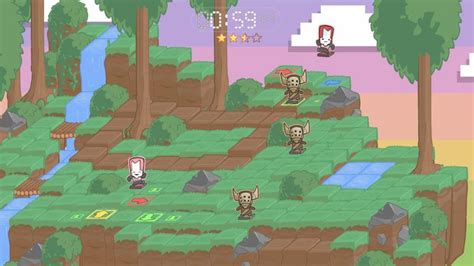
A memorable visual identity is incredibly powerful. Whether your game boasts vibrant pixel art, a striking hand-drawn aesthetic, a unique 3D rendering, or a minimalist approach, consistency and artistic vision are key. An art style that is unique and immediately recognizable helps your game stand out in screenshots and trailers.
Compelling Sound Design and Music
Often underestimated, audio can elevate a game from good to unforgettable. High-quality sound effects that provide satisfying feedback, an immersive ambient soundscape, and a memorable soundtrack all contribute to the game’s atmosphere and player engagement. Don’t overlook this crucial element; it’s a vital part of the overall experience.
Gameplay & Engagement: The Heart of the Experience
Beneath the beautiful veneer, the core gameplay loop must be robust and engaging to keep players coming back.
Engaging Core Mechanics
Is the gameplay fun, intuitive, and challenging in a balanced way? Does it offer depth, strategic opportunities, and replayability? Curators look for games that not only promise an interesting concept but deliver on that promise with solid, enjoyable mechanics. A game with a strong, satisfying gameplay loop is its own best advocate.
Clear Progression and Satisfying Feedback
Players need to feel a sense of accomplishment and understand their progress within the game. Clear feedback loops, well-designed progression systems, and a sense of mastery or discovery keep players invested and motivated to continue playing. Games that make players feel smart and capable tend to resonate more.
Narrative & World-Building: Crafting a Universe
Even in mechanic-heavy games, a sense of place or purpose significantly enhances engagement and memorability.
Compelling Story or Lore
A well-crafted narrative, whether it’s an epic saga, a subtle character study, or a rich lore interwoven into the environment, can make a game unforgettable. It provides context, emotional investment, and often fuels curiosity, encouraging players to explore and uncover more of your world.

The Developer’s Role: Communication and Presentation
Finally, even with an incredible game, how you present and communicate about it plays a significant role in securing that spotlight.
Professional Press Kit
Make it easy for journalists, streamers, and platform curators to cover your game. A well-organized press kit with high-quality screenshots, captivating trailers, key art, and a concise, engaging summary of your game is essential. Ensure contact information is readily available and current.
Clear Communication and Passion
Be able to articulate your vision, passion, and unique selling points clearly and concisely. Whether it’s in a pitch email, a demo presentation, or an interview, your enthusiasm and confidence in your creation are contagious. Respond professionally and promptly to inquiries.

Conclusion
Ultimately, a ‘Spotlight’ feature isn’t just handed out; it’s earned through a combination of artistic merit, technical excellence, and strategic presentation. Focus relentlessly on creating an exceptional game that stands out in its chosen genre. Once you have a polished, unique, and engaging experience, ensure you tell its story effectively, providing all the resources necessary for others to champion your work. By mastering these key elements, indie developers significantly increase their chances of shining in the spotlight.