Indie devs: What makes a Spotlight pitch stand out for features?

The indie game development scene is a vibrant ecosystem, but it’s also incredibly competitive. For many developers, securing a “Spotlight” feature – whether from a platform holder, a prominent gaming publication, or a popular streamer – can be the tipping point for a game’s success. But with thousands of games vying for attention, how do you make your pitch truly stand out? It’s not just about having a great game; it’s about how you present it.
Nail Your Core Concept: Clarity and Hook
The very first thing any reviewer, curator, or platform manager needs to grasp is what your game is. You need to distill your game’s essence into a concise, compelling statement. Think of it as your elevator pitch. What genre is it? What’s the central mechanic or hook? Why should anyone care? Avoid overly technical jargon or lengthy explanations. Get straight to the point and make it memorable.

Showcase Your Unique Selling Points (USPs)
Once you’ve clarified what your game is, immediately highlight what makes it different. In a crowded market, simply being “another platformer” or “another rogue-lite” isn’t enough. Is it a groundbreaking mechanic? A never-before-seen art style? A deeply personal narrative? An innovative approach to a classic genre? Be specific and provide examples. A strong USP gives your game its identity and justification for attention.
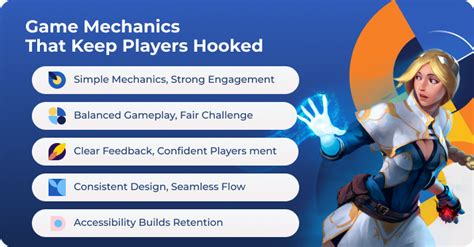
A common mistake is assuming the “features” will speak for themselves. You need to articulate them clearly and explain why they matter to a player or why they are innovative. Back up your claims with evidence, whether it’s early player feedback, awards, or technical demonstrations. Emphasize how these unique aspects create a distinct and engaging experience.
Polish, Presentation, and Visual Appeal
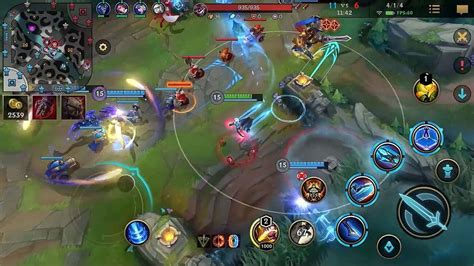
A brilliant concept can be undermined by poor presentation. Your pitch materials—trailers, screenshots, demo builds, press kits—must be of the highest quality. A well-edited trailer that captures the game’s essence and visual style is paramount. High-resolution, eye-catching screenshots should accurately represent gameplay. If providing a demo, ensure it’s stable, free of major bugs, and representative of the intended experience. First impressions are critical, and a polished presentation signals professionalism and respect for the recipient’s time.
Understand Your Target and Tailor Your Pitch
Not all “Spotlight” opportunities are equal, nor do all curators look for the same thing. Research the platform, publication, or influencer you’re pitching to. Does Steam’s algorithm favor certain metrics? Does a particular website focus on narrative-driven games or innovative gameplay? Tailor your pitch to emphasize aspects of your game that align with their interests or editorial focus. A generic, mass-produced email is far less effective than a personalized one that demonstrates you’ve done your homework.
The Human Element: Your Developer Story
People connect with stories. Beyond the game itself, a compelling developer story can add significant weight to your pitch. What inspired you to create this game? What challenges did you overcome? What unique perspective do you bring? Sharing your passion, your journey, and the heart behind your project can forge an emotional connection and make your game more memorable. This personal touch can differentiate you from anonymous developers and highlight the dedication behind the work.

Building relationships with press and platform representatives also helps. Attend industry events, participate in online communities, and be receptive to feedback. A positive reputation and established connections can open doors for future features.
Follow-up and Professionalism
After sending your initial pitch, a polite, timely follow-up is appropriate, but avoid being pushy or demanding. Be prepared to answer questions, provide additional assets, and be responsive to feedback. Maintaining professionalism throughout the process reinforces your credibility and commitment.
Getting your indie game featured requires more than just a great product; it demands strategic, thoughtful communication. By focusing on clarity, highlighting true uniqueness, presenting with polish, tailoring your message, and sharing your authentic story, you significantly increase your chances of capturing attention and securing that coveted Spotlight. Make every part of your pitch as compelling as your game itself.