Indie devs: What specific assets/info boosts your game’s ‘Spotlight’ chances?
For many indie developers, securing a “Spotlight” feature on major platforms, media outlets, or curated lists can be the difference between obscurity and breakout success. But what exactly do curators, editors, and platform managers look for when sifting through countless submissions? It’s more than just a great game; it’s about presenting your masterpiece effectively, making it undeniable and easy to champion.
The Foundation: High-Impact Visuals
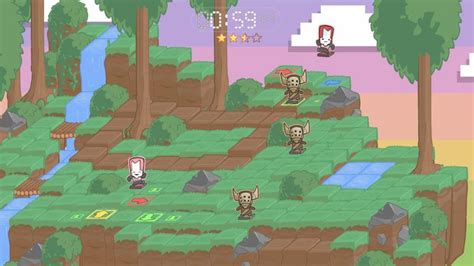
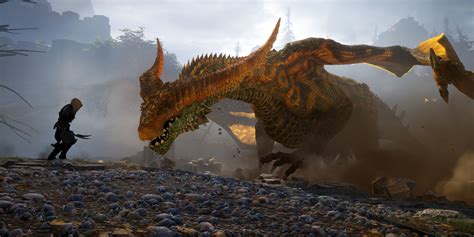
First impressions are paramount. Your game’s visuals are often the very first thing anyone sees. This means having a collection of stunning, high-resolution screenshots that truly capture your game’s essence and best moments. Variety is key: show gameplay, UI, beautiful environments, and character close-ups. Equally critical is a well-edited, exciting gameplay trailer. Keep it concise, start strong, and showcase the most compelling aspects of your game within the first 15-30 seconds. Animated GIFs can also be incredibly effective for quick social media sharing and demonstrating core mechanics in bite-sized, engaging loops.
Crafting Your Narrative: The Game’s Story & Hook
Beyond the visuals, you need a compelling story. What is your game about? What makes it unique? Develop a concise, engaging logline (1-2 sentences) and a slightly longer, yet still punchy, description that highlights its core mechanics, genre, and target audience. Emphasize your unique selling propositions (USPs). Is it an innovative mechanic, a fresh art style, a deep narrative, or a new take on a classic genre? Clearly articulate why your game stands out in a crowded market. This narrative should be consistent across all your materials.
The Power of the Press Kit & Organized Information
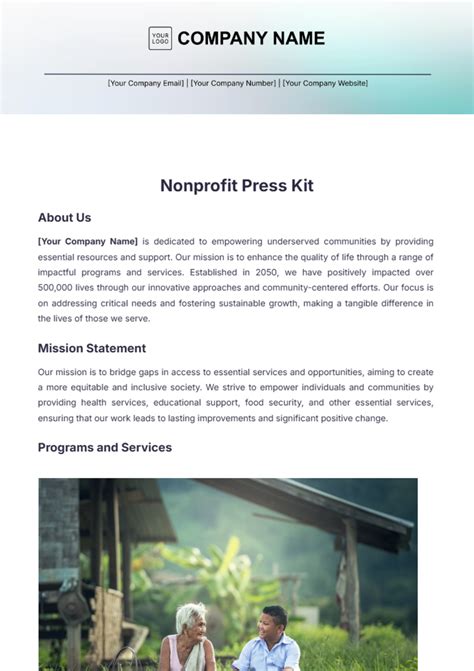
A well-structured press kit is your best friend. This single, easily accessible resource should contain all the vital information a curator or journalist might need. Include: a fact sheet (platforms, estimated release date, price, genre, developer info), a key features list, high-res logos and character art, a link to your trailer, and clear contact information. Consider including a brief developer bio and a few quotes about the game’s development journey or inspirations. Professionalism in presentation reflects professionalism in development and makes it effortless for others to cover your game.
Beyond the Basics: Community & Development Insights
Curators aren’t just looking for a good game; they’re often looking for a good story and a passionate developer. Sharing insights into your development process, your inspirations, or how you’ve built a community around your game can be highly appealing. Links to an active social media presence, a dev blog, or a thriving Discord server demonstrate engagement and a potential audience, which is a big plus. It shows that there’s a living, breathing project with momentum behind it, and often, a dedicated fanbase already eager for its release.
Timing and Communication
While the focus is on assets, understanding timing is also crucial. Pitch your game with enough lead time before launch (typically 4-8 weeks for major platforms, more for traditional media), but not so early that it feels abstract or unplayable. Ensure you have a stable, representative build ready for review. Be clear, concise, and respectful in all communications. Avoid excessive follow-ups. If your game and your prepared materials are strong, they will speak for themselves. The goal is to make it as easy as possible for someone to understand and champion your game, reducing any friction in the decision-making process.
Ultimately, boosting your game’s “Spotlight” chances boils down to preparation, professionalism, and compelling presentation. Invest time not just in developing a great game, but in creating the assets and narrative that will make it shine to those who hold the keys to wider visibility. Make their job easy, and they’re far more likely to feature yours.