Indie Spotlight: Which game features drive reader engagement & discovery?

Indie games face an uphill battle for visibility. With thousands of titles released annually, capturing and retaining attention is paramount. It’s not just about making a good game; it’s about crafting features that resonate deeply with players and organically drive discovery. Understanding what truly hooks an audience is the secret sauce for breaking through the noise and building a sustainable presence in the bustling gaming market.
The Irresistible Pull of Unique Mechanics
A game’s core gameplay loop is its heartbeat. For indie titles, innovation in mechanics often becomes their strongest calling card. Whether it’s a fresh take on a familiar genre, an entirely novel interaction system, or a perfectly polished foundational control scheme, compelling mechanics are what keep players coming back. Think of physics-based puzzles, emergent storytelling through player choices, or combat systems that feel uniquely satisfying. These elements aren’t just fun; they’re conversation starters, fueling word-of-mouth and influencer interest, which are vital for initial discovery.
Visual & Auditory Immersion
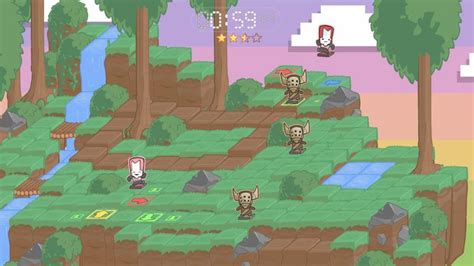
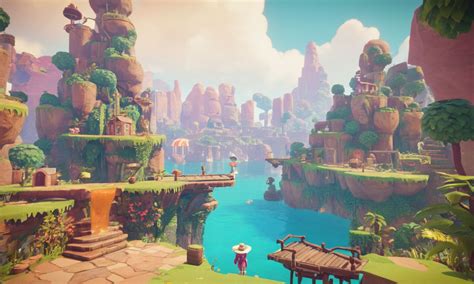
First impressions are crucial. A distinctive art style, whether pixel art, hand-drawn, or a stylized 3D, can immediately set an indie game apart. Beyond aesthetics, the quality of sound design – from atmospheric scores to impactful sound effects – profoundly enhances immersion. A visually striking game with an evocative soundtrack is far more likely to grab a scroller’s attention on a store page or a viewer’s eye on a stream. These sensory elements contribute heavily to a game’s identity and memorability, making it easier to identify and share.

The Power of Narrative and World-Building
Beyond mechanics and aesthetics, a compelling story or a richly detailed world can forge a deep connection with players. Indie games often excel in delivering poignant narratives, complex characters, and intricate lore that larger studios might shy away from. Games that invite players to unravel mysteries, explore vast backstories, or participate in emotionally resonant journeys tend to foster dedicated communities and inspire extensive discussion, which is invaluable for discovery through shared experiences and theories.
Player Agency and Community Building
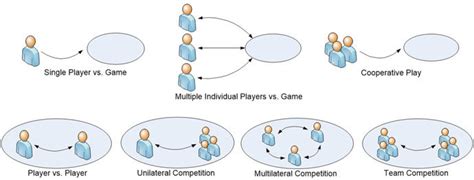
Giving players a sense of ownership and involvement significantly boosts engagement. This can manifest through meaningful choices that impact the game’s narrative, deep character customization options, or even robust support for modding. Furthermore, features that foster community, such as integrated multiplayer modes, leaderboards, or robust in-game communication tools, transform players from passive consumers into active participants. A thriving community generates its own content, discussion, and advocacy, organically propelling discovery forward.
The Long Tail: Updates and Developer Interaction
Engagement doesn’t end at launch. Regular updates, new content drops, and a visible, responsive developer presence are critical for sustained interest. Indie studios that actively listen to player feedback, communicate openly about their development roadmap, and deliver on promises build immense goodwill. This continuous dialogue not only keeps existing players invested but also serves as a strong signal to potential new players that the game is a living, evolving experience worth investing in, extending its discoverability lifespan.

Bridging Engagement to Discovery
How do these engagement features translate into discovery? Unique mechanics make for exciting gameplay videos and streams. Distinctive visuals and sound make for eye-catching screenshots and trailers. Deep narratives inspire fan theories and discussions. Strong communities create user-generated content and organic word-of-mouth. And responsive developers earn loyalty and positive reviews. Each of these elements provides valuable content for potential players to discover, review sites to feature, and streamers to cover, forming a virtuous cycle of engagement and visibility that is essential for indie success.

Conclusion
For indie developers, understanding and prioritizing features that not only entertain but also actively encourage player engagement and drive discoverability is non-negotiable. By focusing on innovative core gameplay, unique artistic expression, compelling narratives, strong community tools, and consistent post-launch support, indie games can carve out their niche and truly shine in a crowded market. It’s about building a game that players don’t just play, but passionately champion, becoming advocates for its continued success and wider recognition.