Is your meta build underperforming? How to optimize gear stats for specific encounters.
Beyond the Spreadsheet: When Meta Isn’t Enough
The “meta” build is often hailed as the holy grail of character optimization in many RPGs and MMOs. It’s the build that promises top-tier performance, proven by community consensus and high-level players. But what happens when you meticulously copy a meta build, only to find your own performance falling short? The truth is, while meta builds provide a strong foundation, they are often generalized. True mastery and peak performance come from understanding how to adapt and optimize your gear stats for the unique challenges of specific encounters.

Deconstructing the Generic Meta
A meta build is typically designed to perform well across a wide range of situations. This often means balancing stats for average damage, survivability, or utility. However, very few in-game encounters are “average.” Boss fights might demand extreme burst damage during a specific phase, while trash pulls might require maximum area-of-effect (AoE) potential. If your meta build prioritizes single-target damage but you’re constantly struggling with AoE phases, then it’s clearly underperforming in those specific moments.
The key to moving beyond this lies in a deeper understanding of stat weights and breakpoints. While a stat like Critical Strike Rating might be universally good, its value can fluctuate dramatically based on encounter length, target count, and your class’s specific mechanics. What’s “best” for a 10-minute raid boss might be suboptimal for a rapid-fire dungeon clear.
Identifying Encounter-Specific Demands
Before you can optimize, you need to analyze the encounter itself. Ask yourself these questions:
- Target Count: Is it primarily single-target, cleave (2-3 targets), or full AoE (4+ targets)?
- Damage Profile: Is it sustained damage over time, or are there critical burst windows that require maximum output in a short period?
- Survivability Needs: Are there specific mechanics that require high defensive stats, damage reduction, or specific resistances?
- Movement Requirements: Does the encounter involve heavy movement, making certain “cast while moving” abilities or mobility stats more valuable?
- Utility Demands: Does the group need specific crowd control, dispels, or other utility that your build can provide more efficiently?
Each of these factors can shift the priority of your secondary stats, trinkets, enchants, and even entire gear pieces.
Practical Steps to Fine-Tune Your Gear
1. Analyze Your Performance Data
Tools like combat logs (e.g., Warcraft Logs, FFLogs) are invaluable. They don’t just tell you what happened, but why. Look for:
- Damage Breakdown: Are you overkilling on single-target but falling behind on AoE?
- Stat Contribution: How much damage did each of your stats contribute? Are there diminishing returns?
- Ability Usage: Are you able to use your most powerful abilities effectively during critical phases, or are you resource-starved?
2. Understand Stat Weights and Breakpoints
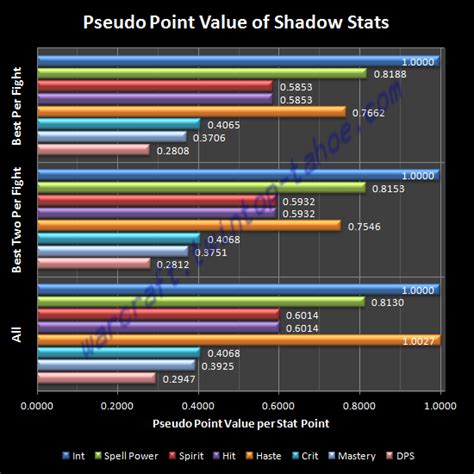
Stat weights are not static; they change with your current gear, talents, and the encounter. Utilize simulation tools (e.g., RaidBots for WoW, The Balance for FFXIV) to generate personalized stat weights for various scenarios. Pay attention to breakpoints – specific thresholds where a stat provides a significant gain (e.g., reaching a certain haste percentage for an extra tick on a damage-over-time ability).
3. Develop Encounter-Specific Sets
For high-level play, having multiple sets of gear is common. This doesn’t mean a full inventory of different items, but often involves swapping:
- Trinkets: A single-target DPS trinket versus an AoE utility trinket.
- Rings/Necklaces: Often contain different secondary stat distributions.
- Enchants/Gems: While more permanent, some players will re-gem for specific challenging encounters.
- Talents/Abilities: These are often intertwined with gear choices.
Use in-game gear managers or addons to quickly swap between these optimized sets.
4. Learn from Top Players (with a grain of salt)
While generic meta builds might be misleading, observing how top players adapt their gear for specific encounters can be incredibly insightful. Don’t just copy their gear; understand the reasoning behind their choices for a particular fight. They might be sacrificing raw damage for survivability or utility that their specific group needs.

The Ongoing Journey of Optimization
Optimizing your gear for specific encounters is an iterative process. The meta shifts, patches introduce changes, and new content presents fresh challenges. Regularly reviewing your performance, understanding new encounter mechanics, and being willing to experiment with different gear configurations are crucial. Moving beyond a static meta build to a dynamic, encounter-optimized approach is the path to unlocking your character’s true potential and contributing maximally to your team’s success.