Minimize input lag for competitive gaming? (Monitor, mouse, controller settings)

In the high-stakes world of competitive gaming, every millisecond counts. Input lag, the delay between your action and its display on screen, can be the critical difference between victory and defeat. While often imperceptible to the casual eye, competitive players understand that even a tiny delay can disrupt timing, aim, and overall reaction speed. Minimizing this lag requires a comprehensive approach, fine-tuning everything from your monitor to your peripherals and system settings.
Understanding Input Lag: Every Millisecond Counts
Input lag is the total delay from when you press a button or move your mouse to when that action registers and is displayed by the game on your screen. It’s a cumulative effect of delays from your input device, the operating system, the game engine, the graphics card, and finally, the display itself. For competitive titles like first-person shooters or fighting games, lower input lag means a more immediate and responsive experience, allowing players to react faster and more accurately.
Monitor Settings for Ultra-Low Latency
Your display is the final link in the input chain and a significant source of potential lag. Optimizing its settings is crucial:
- Refresh Rate (Hz): A higher refresh rate (e.g., 144Hz, 240Hz, 360Hz) means the monitor updates the image more times per second, directly reducing visual input lag. Ensure your monitor is set to its highest available refresh rate in your operating system’s display settings.
- Response Time (ms): Look for monitors with low Gray-to-Gray (GtG) response times (1ms or less is ideal for competitive play). This measures how quickly pixels can change color. Adjust your monitor’s overdrive setting (sometimes called ‘Response Time’ or ‘AMA’) to its highest stable setting without introducing excessive inverse ghosting.
- Game Mode: Most modern gaming monitors have a ‘Game Mode’ or ‘Low Input Lag Mode’. Enable this, as it often bypasses non-essential image processing to reduce latency.
- Adaptive Sync (G-Sync/FreeSync): While excellent for tear-free gaming, adaptive sync technologies can sometimes introduce a small amount of input lag, especially if your frame rate drops below your monitor’s refresh rate. For peak competitive play, many pros disable it and aim for consistently high frame rates above the monitor’s refresh rate. If you do use it, ensure you’re in its optimal operating range.
- Connection Type: Use DisplayPort over HDMI when possible, as DisplayPort often offers better bandwidth for higher refresh rates and can sometimes have lower latency.
Optimizing Your Gaming Mouse
For PC gamers, the mouse is the primary input device, and its optimization is paramount:
- Polling Rate: Set your mouse’s polling rate to the highest possible (typically 1000Hz). This means the mouse reports its position to your PC 1000 times per second, minimizing the delay in cursor movement.
- Wired Connection: Always opt for a wired gaming mouse over wireless for competitive play. Wired connections eliminate potential wireless interference and inherent latency associated with signal transmission.
- DPI and Sensitivity: While not directly input lag, finding your optimal DPI (Dots Per Inch) and in-game sensitivity ensures consistent and precise aiming, reducing human error that can mimic lag.
- Debounce Time: Some advanced mice allow you to adjust debounce time, which is the delay before a second click can register. Lowering this can reduce click latency but may introduce double-clicking issues if set too low.
Fine-Tuning Your Game Controller
Console and PC controller players also have options to reduce input lag:
- Wired Connection: For console gaming and PC controller play, a wired connection is almost always superior for minimizing input lag. Bluetooth connections introduce inherent latency that can be critical in competitive scenarios.
- Dead Zones: Within your game’s settings, adjust controller dead zones to the lowest comfortable setting. This ensures that even the slightest stick movement registers, providing more immediate control.
- Controller Polling Rate: While not as commonly adjustable as mouse polling rates, some third-party controllers or specific software (on PC) might allow for higher polling rates, decreasing the time between input scans.
- Driver Updates: Ensure your controller drivers (on PC) are always up to date for optimal performance and compatibility.

System-Wide Tweaks and Software Settings
Beyond peripherals, your PC or console’s configuration plays a vital role:
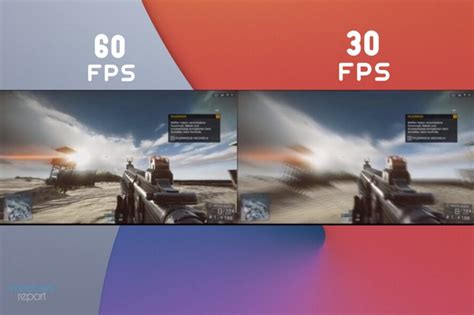
- Maximize Frame Rate (FPS): The single most effective way to reduce overall system input lag is to achieve the highest possible frame rate in-game. Lower graphical settings (resolution, shadows, anti-aliasing, post-processing effects) to prioritize FPS.
- Disable V-Sync: V-Sync synchronizes your game’s frame rate with your monitor’s refresh rate to prevent screen tearing. However, it introduces significant input lag. Disable it for competitive play if you can tolerate minor tearing.
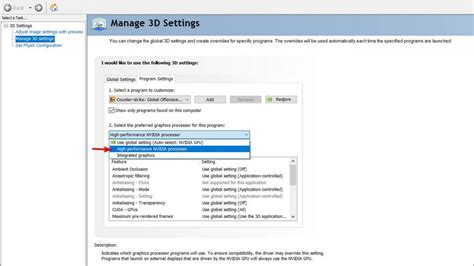
- GPU Drivers: Keep your graphics card drivers updated. Manufacturers often release updates that improve performance and reduce latency.
- Windows Game Mode: Enable Windows Game Mode. While its effectiveness varies, it’s designed to prioritize game processes and resources.
- Power Plan: Set your PC’s power plan to ‘High Performance’ to ensure your CPU and GPU aren’t throttling performance.
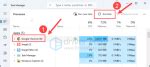
- Background Processes: Close unnecessary background applications and services before gaming to free up CPU cycles and RAM.
Conclusion: The Pursuit of Perfection
Minimizing input lag is a continuous process of optimization. While no setup can achieve zero latency, meticulously adjusting your monitor, mouse, controller, and system settings can significantly reduce the delay, providing a more responsive and competitive gaming experience. Regularly reviewing and fine-tuning these elements will ensure you’re always playing at your peak potential, allowing your skill, not hardware latency, to dictate the outcome.