Modders: How to handle community feedback & updates effectively to prevent burnout?
Modding is a passion project for many, but the demands of a growing community and constant update cycles can quickly turn a hobby into a source of stress. Balancing creative vision with user expectations is a fine art, and without proper strategies, modders risk severe burnout. This guide offers practical advice on navigating the often-turbulent waters of community interaction and development to ensure your passion remains sustainable.
Setting Clear Boundaries and Expectations
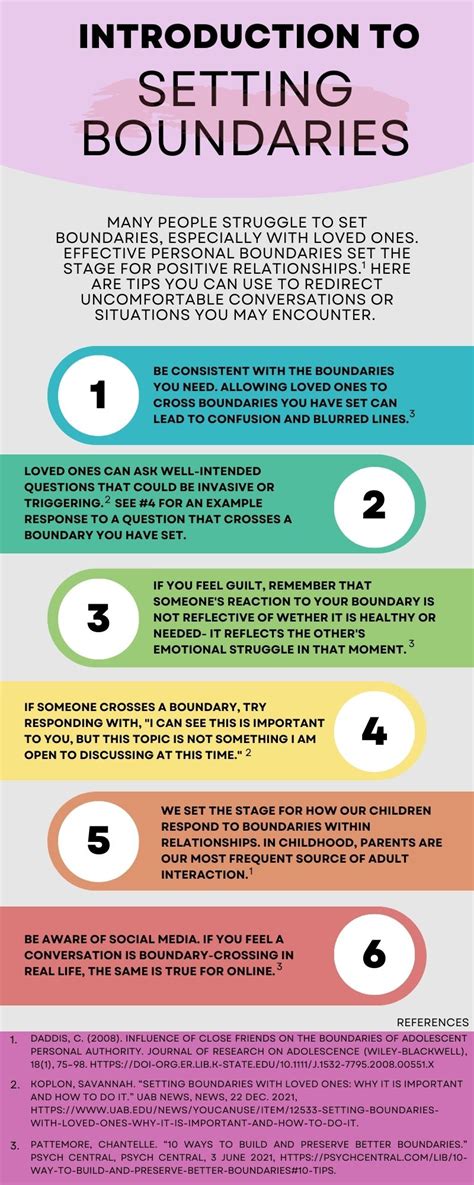
One of the most crucial steps to preventing burnout is establishing clear boundaries from the outset. Your mod is your creation, and while community input is valuable, you are not beholden to every request. Clearly communicate your scope, limitations, and commitment level to your community. This could involve stating your update frequency, whether you accept donations, or which types of features you will and won’t implement.
Manage expectations by being transparent about development challenges, time constraints, and personal life. If you’re going on hiatus, announce it. If a feature is proving more complex than anticipated, explain why. This honesty builds trust and reduces the pressure of silent development.
Streamlining Feedback Collection and Prioritization
An uncontrolled flood of feedback can be overwhelming. Implement structured methods for collecting suggestions and bug reports. Utilize dedicated channels on Discord, forums, or a GitHub issue tracker instead of scattered DMs and comments. This centralizes information and makes it easier to process.
Once collected, prioritize feedback. Not all suggestions are equal, and not all bugs are critical. Create a system for categorizing feedback (e.g., critical bugs, minor bugs, feature requests, quality of life improvements). Focus on game-breaking issues first, then essential features, and only then consider less urgent requests. Don’t be afraid to say no to ideas that don’t align with your mod’s vision or that are beyond your current capacity.
Effective Communication and Community Engagement
Regular, concise communication can defuse many potential frustrations. Provide periodic updates on your progress, even if it’s just a short message saying you’re still working. Share sneak peeks or progress screenshots to keep the community engaged and excited. This proactive approach prevents the ‘silence equals abandonment’ anxiety that can plague modding communities.
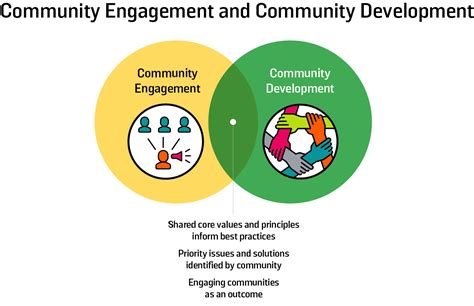
Engage with your community respectfully, but don’t feel obligated to respond to every single comment. Focus on constructive criticism and positive interactions. Learn to recognize and disengage from overly demanding or toxic individuals, as they can disproportionately drain your energy. Remember, you are a person, not a customer service bot.
Automating and Delegating Tasks
Look for opportunities to automate repetitive tasks. This could be using build scripts, setting up continuous integration for testing, or utilizing tools to streamline your workflow. Every minute saved on administrative work is a minute gained for development or rest.
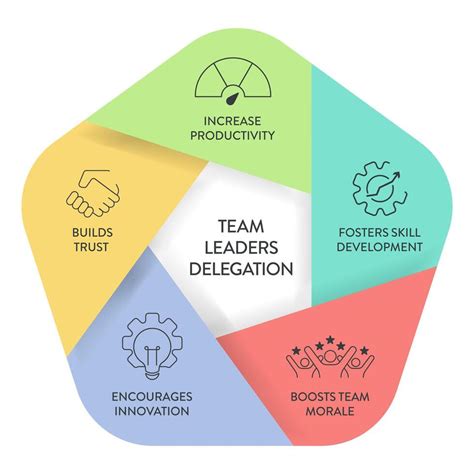
Consider delegating if your mod grows large enough. This might involve finding trusted individuals to help with bug testing, documentation, community moderation, or even co-development. Clearly define roles and responsibilities and ensure everyone understands the mod’s vision. A team, even a small one, can significantly lighten the load and provide mutual support.
Prioritizing Self-Care and Taking Breaks
This is perhaps the most critical advice. Your modding journey should be enjoyable, not a chore. Schedule regular breaks, whether it’s an hour away from the computer, a day off from coding, or a longer hiatus between major updates. Step away from your projects to recharge your creative batteries and prevent mental fatigue. Engage in other hobbies, spend time with loved ones, or simply relax.

Recognize the signs of burnout: irritability, loss of interest, fatigue, and decreased productivity. When you feel these symptoms, it’s a clear signal to step back. Your mental and physical health are paramount. A well-rested modder is a productive and happy modder.
Celebrating Successes and Maintaining Perspective
Don’t forget to celebrate milestones, no matter how small. Every successful update, every bug fixed, and every positive review is an achievement. Acknowledge your hard work and the impact your mod has on others. This positive reinforcement can be a powerful antidote to burnout.
Maintain perspective: your mod is a labor of love, a contribution to a game you enjoy. It’s not a full-time job (unless you choose to make it one). Remember why you started and allow that passion to guide you. By implementing these strategies, you can continue to enrich game communities with your creations for years to come, all while safeguarding your own well-being.