Modders: How to manage toxic community feedback effectively?

Navigating the Storm: Dealing with Toxic Feedback
Modding is a labor of love, a passion project born from creativity and a desire to enhance gaming experiences. However, the digital landscape, while enabling incredible collaboration, can also be a breeding ground for negativity. Modders frequently encounter toxic community feedback – comments that range from unhelpful criticism to outright abuse. Learning to manage this effectively isn’t just about maintaining a peaceful community; it’s vital for your mental health and the longevity of your modding endeavors.

Understanding the Nature of Toxicity
Before you can tackle toxic feedback, it’s important to understand what it is and what it isn’t. Constructive criticism, even if harsh, aims to improve. Toxic feedback, on the other hand, often lacks solutions, is personally attacking, or is driven by entitlement and an unwillingness to understand the modding process.
- Entitlement: Users demanding features, bug fixes instantly, or acting as if they’re owed something.
- Personal Attacks: Direct insults, name-calling, or slurs aimed at you or other community members.
- Unconstructive Complaints: Vague complaints without details, or outright abusive language without any actionable information.
- Harassment: Repeated targeting of individuals or groups, often escalating over time.
Proactive Measures: Building a Resilient Community
The best defense against toxicity is a strong, well-managed community. Establishing clear boundaries and expectations from the outset can significantly reduce the likelihood of severe issues.
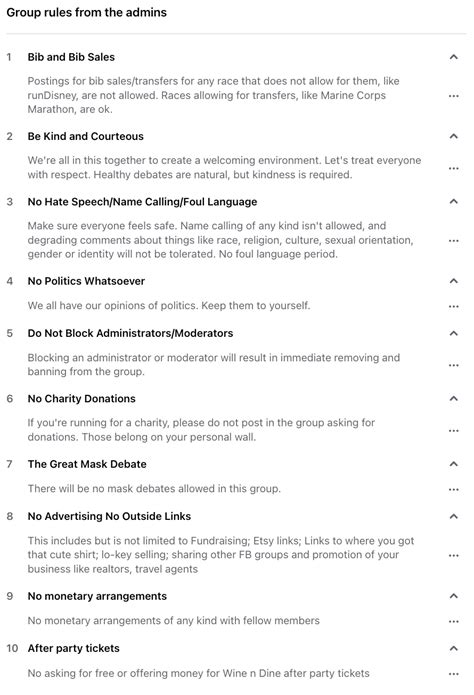
1. Establish Clear Rules and Guidelines
From day one, publish explicit community rules. What kind of language is acceptable? What behavior will not be tolerated? Make these easily accessible and refer to them when necessary. Consistency in enforcement is key.
2. Foster a Positive Culture
Actively engage with positive interactions. Thank users for bug reports, compliments, and constructive suggestions. Highlight respectful discussions. Lead by example in your own interactions.
3. Transparency and Communication
Keep your community updated on development progress, challenges, and your limitations. When users understand the effort involved, they’re often more patient and less prone to entitled behavior. If you can’t implement a feature, explain why.
Reactive Strategies: When Toxicity Strikes
Despite your best efforts, toxicity will inevitably appear. How you react can determine whether it spirals out of control or is effectively contained.
1. Don’t Feed the Trolls
Engaging directly with purely malicious or trolling comments often amplifies them. Learn to identify these and either ignore them, delete them, or escalate to a moderator without a direct reply.
2. Address the Message, Not the Tone (If Possible)
Sometimes, a legitimate bug report or feature request is buried under layers of angry, unhelpful language. If you can extract a valid point, address it calmly and factually, ignoring the surrounding negativity. For example, “Thank you for reporting this crash. Could you provide the log file?” sidesteps the insult while acknowledging the issue.
3. Utilize Moderation Tools
Platforms like Discord, forums, and Nexus Mods provide tools for moderation: deleting comments, muting users, temporary bans, or permanent bans. Don’t hesitate to use them. Your primary goal is to protect the community and yourself. Severity of action should match the severity of the offense.
4. Lean on Your Moderator Team
If you have dedicated moderators, empower them. Trust their judgment and give them the tools and authority to enforce rules. Regularly communicate with them to ensure consistency and share insights.
Protecting Your Mental Health and Well-being
The constant exposure to negativity can take a serious toll. Prioritizing your well-being is not selfish; it’s essential for your continued passion and creativity.
1. Set Clear Boundaries
Define when and where you engage with feedback. Don’t check comments first thing in the morning or last thing at night. Dedicate specific times for community interaction and stick to them.
2. Detach Emotionally
Remember that toxic feedback often says more about the commenter than it does about you or your work. It’s easy to take things personally, but try to view it objectively as noise that needs to be filtered.
3. Take Breaks
Step away from the screen. Engage in hobbies, spend time with loved ones, or simply enjoy some quiet time. Burnout is a real threat for modders, and constant exposure to negativity exacerbates it.
4. Seek Support
Talk to trusted friends, family, or other modders who understand the challenges. Sharing experiences can be incredibly validating and help you feel less isolated. Consider a “vent channel” with a small, trusted group of fellow modders.

Cultivating a Positive Future
Managing toxic feedback isn’t just about suppressing negativity; it’s also about nurturing positivity. By creating a safe, respectful space, you allow the true spirit of modding – collaboration, creativity, and shared enjoyment – to flourish. Your dedication to a healthy community will ultimately attract more respectful users and enrich your modding journey.

Conclusion
Toxic community feedback is an unfortunate reality in the world of modding, but it doesn’t have to define your experience. By understanding its nature, implementing proactive strategies, reacting appropriately when issues arise, and most importantly, safeguarding your own well-being, you can transform your community into a more supportive and enjoyable environment. Your passion for modding deserves to thrive in a space that respects the effort and creativity you pour into it.