My gaming PC has low FPS. How do I pinpoint hardware bottlenecks for better performance?

Understanding Low FPS and Hardware Bottlenecks
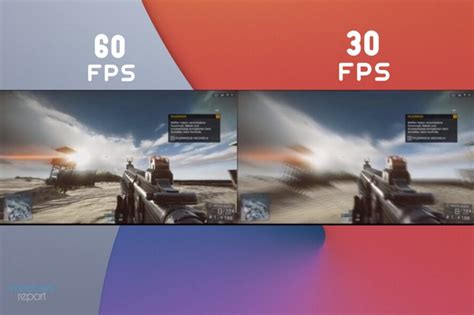
Experiencing low Frames Per Second (FPS) in your gaming PC can be incredibly frustrating, transforming an immersive experience into a choppy slideshow. While many factors can contribute to poor performance, a hardware bottleneck is often the primary culprit. A bottleneck occurs when one component in your system restricts the potential of others, preventing your PC from achieving its full performance potential. Identifying this weak link is crucial for targeted upgrades and optimizations.
Before diving into complex diagnostics, it’s helpful to understand the common components that can create bottlenecks: the Central Processing Unit (CPU), Graphics Processing Unit (GPU), Random Access Memory (RAM), and storage (SSD/HDD). Each plays a vital role, and an imbalance can significantly impact your gaming experience.

Initial Checks and Essential Software Diagnostics
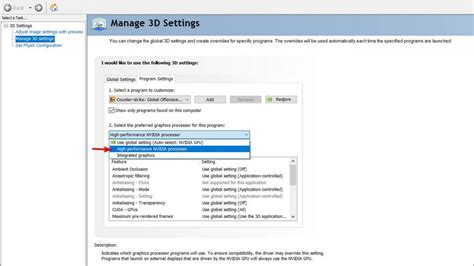
Sometimes, low FPS isn’t a deep hardware issue but rather a simple fix. Start by ensuring your graphics drivers are up to date. Outdated or corrupted drivers are a common cause of performance degradation. Check for background applications consuming significant resources and close any unnecessary programs. Also, review your in-game graphics settings; sometimes, simply lowering a few demanding options can yield significant FPS improvements.
For a more in-depth look, monitoring software is your best friend. Tools like MSI Afterburner (for GPU monitoring and OSD), HWMonitor (for temperatures and clock speeds), and Windows Task Manager (for overall CPU, RAM, and Disk usage) can provide real-time data while you game. Pay close attention to CPU and GPU utilization percentages, RAM usage, and core temperatures.
Analyzing Performance Data to Pinpoint Bottlenecks
The key to identifying a bottleneck lies in interpreting the data collected by your monitoring software during an actual gaming session. Launch a demanding game that consistently gives you low FPS and play for a few minutes while logging data or observing the on-screen display (OSD).
- GPU Utilization: If your GPU usage consistently hovers around 99-100% and your FPS is low, your GPU is likely the bottleneck. It’s working as hard as it can but can’t produce more frames.
- CPU Utilization: If your CPU usage is consistently high (e.g., above 90% on one or more cores) while your GPU usage is relatively low (e.g., below 90%), your CPU is likely struggling to keep up, limiting the frames your GPU can render.
- RAM Usage: If your RAM usage frequently maxes out, leading to heavy disk activity (page file usage), you might have a RAM bottleneck, causing stutters and slowdowns.
- Disk Activity: Excessive disk activity during gameplay, especially during loading screens or asset streaming, could indicate a slow storage device, though this is less common for general FPS issues unless textures are constantly being loaded.
Identifying Specific Component Bottlenecks
CPU Bottleneck Signs
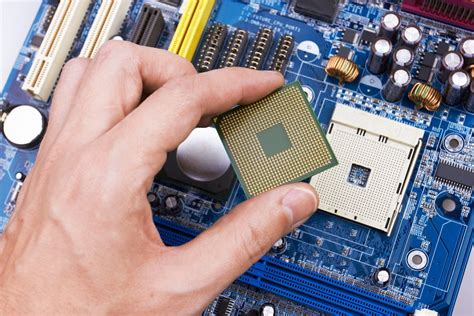
A CPU bottleneck typically manifests when your CPU is running at or near 100% utilization, while your GPU usage is significantly lower (e.g., 60-70%). This indicates your CPU can’t feed the GPU data fast enough, leaving the graphics card underutilized. This is common in CPU-intensive games, especially at lower resolutions where the GPU has less work to do per frame.
GPU Bottleneck Signs
The most common bottleneck in gaming PCs. If your GPU utilization is consistently at 99-100% while your CPU utilization is lower and your FPS is still not satisfactory, your GPU simply isn’t powerful enough for your desired settings or resolution. Upgrading your graphics card is often the most impactful solution here.
RAM and Storage Bottlenecks
While less frequent causes of primary low FPS, insufficient or slow RAM can cause micro-stutters and frame drops, especially if the system is constantly swapping data to the slower page file on your drive. Look for high RAM usage (e.g., above 85-90%) and corresponding disk activity during gameplay. Similarly, a slow HDD can cause long loading times and pop-in textures, but typically won’t cap your FPS in the middle of gameplay unless the game is streaming assets very aggressively from disk.
Solutions and Next Steps for Better Performance
Once you’ve identified the bottleneck, you can take targeted action:
- Upgrade the Bottlenecked Component: This is often the most effective solution. If it’s your GPU, a more powerful graphics card will yield significant gains. If it’s your CPU, a faster processor (ensuring compatibility with your motherboard and RAM) is in order.
- Optimize Settings: If upgrading isn’t an option, lower the graphical settings that heavily impact the bottlenecked component. For a CPU bottleneck, reduce settings like crowd density, draw distance, and physics. For a GPU bottleneck, lower resolution, texture quality, anti-aliasing, and shadow quality.
- Overclocking: Cautious overclocking of your CPU or GPU can provide a modest performance boost, but it requires proper cooling and understanding of the risks involved.
- System Cleanup: A fresh operating system install, defragmenting HDDs (not SSDs), and ensuring good airflow in your case can also contribute to overall system health and performance.
Pinpointing hardware bottlenecks requires a systematic approach and careful analysis of performance data. By understanding which component is holding your system back, you can make informed decisions to optimize your gaming PC for the best possible experience.