My gaming PC is overheating. How can I improve cooling and prevent thermal throttling?
Understanding Overheating and Thermal Throttling
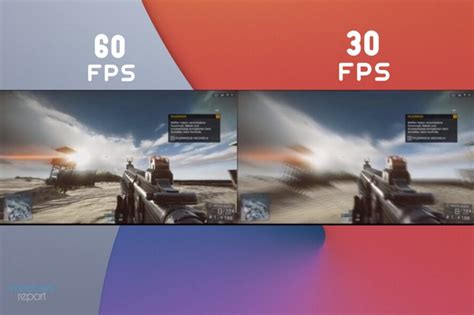
There’s nothing more frustrating for a PC gamer than experiencing performance drops and stuttering due to an overheating system. When your gaming PC gets too hot, its components – primarily the CPU and GPU – automatically reduce their clock speeds to prevent damage. This safety mechanism is known as thermal throttling, and it directly impacts your frame rates, responsiveness, and overall gaming experience. Identifying the root cause and implementing effective cooling solutions is crucial for maintaining optimal performance and extending the lifespan of your hardware.

Optimize Your Case Airflow
The foundation of any good cooling setup is efficient case airflow. Many pre-built or even custom-built PCs often overlook this critical aspect. Proper airflow involves creating a pathway for cool air to enter the case and hot air to exit.
- Fan Placement: A common and effective setup is to have intake fans at the front and/or bottom of the case, pushing cool air in, and exhaust fans at the rear and/or top, pulling hot air out.
- Positive vs. Negative Pressure: Aim for slightly positive pressure (more intake than exhaust) to help prevent dust ingress, as air will be forced out through any small gaps rather than pulled in.
- Fan Quality and Size: Invest in high-quality fans with good static pressure (for airflow through radiators/filters) and high CFM (Cubic Feet per Minute) for general airflow. Larger fans (120mm or 140mm) typically move more air quietly.
- Case Design: Ensure your PC case isn’t restrictive. Cases with solid front panels or limited vents can choke airflow, regardless of how many fans you have.
Upgrade Your CPU Cooling Solution
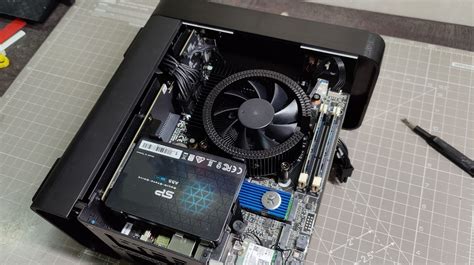
The CPU is one of the primary heat generators in a gaming PC. The stock coolers provided with many CPUs are often adequate for basic tasks but struggle under heavy gaming loads, leading to high temperatures and throttling.
- Air Coolers: High-performance air coolers feature large heatsinks and powerful fans to dissipate heat. They are generally reliable, durable, and more affordable than liquid cooling solutions. Look for models with multiple heat pipes and a large fin stack.
- All-in-One (AIO) Liquid Coolers: AIOs use a pump, radiator, and fans to cool the CPU. They can offer superior cooling performance, especially for high-end CPUs, and often allow for better aesthetics and less obstruction around the CPU socket. Ensure your case has space for the radiator size you choose (e.g., 240mm, 280mm, 360mm).
- Thermal Paste: Even with a great cooler, poor thermal paste application can negate its benefits. Ensure you’re using a high-quality thermal compound and apply it correctly (e.g., pea-sized dot method or spreading method) when installing or reinstalling your cooler. Re-apply thermal paste every few years as it can dry out.
Enhance GPU Cooling
Your graphics card (GPU) is another major heat producer, especially during intense gaming. Unlike CPUs, GPUs often come with integrated cooling solutions that are difficult to replace for the average user. However, you can still optimize its performance.
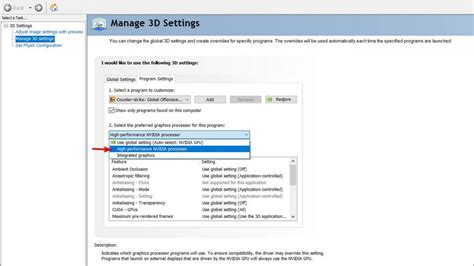
- GPU Fan Curves: Use software like MSI Afterburner or your GPU manufacturer’s utility to create a custom fan curve. This allows you to increase fan speeds at lower temperatures, proactively preventing the GPU from getting too hot and throttling. Be mindful of noise levels.
- Adequate Space: Ensure your GPU isn’t directly choked by other components or cables. Provide enough clearance for its fans to draw in air.
- Vertical Mounts: While aesthetically pleasing, some vertical GPU mounts can bring the GPU too close to the side panel, restricting airflow to its fans. Consider the potential impact on temperatures if you use one.

Master Cable Management and Dust Control
These two often-overlooked aspects can significantly impact your PC’s thermal performance.
- Cable Management: A spaghetti mess of cables inside your case obstructs airflow, creating dead spots where hot air can get trapped. Route cables neatly behind the motherboard tray using zip ties or Velcro straps. This not only looks better but allows air to move freely.
- Dust Accumulation: Dust acts as an insulating layer, trapping heat on components and within heatsinks and fans. Regularly clean your PC with compressed air. Pay close attention to CPU heatsinks, GPU fins, case fan blades, and power supply vents. Install dust filters on intake fans and clean them regularly.

Fine-Tune Fan Curves and Monitor Temperatures
Software control provides granular management over your cooling system.
- BIOS/UEFI Fan Control: Most motherboards offer fan control settings in the BIOS. You can often set custom fan curves based on CPU or motherboard temperatures.
- Software Utilities: Tools like FanControl, Argus Monitor, or manufacturer-specific software (e.g., ASUS AI Suite, Gigabyte SIV) allow for advanced fan curve customization within Windows.
- Temperature Monitoring: Use monitoring software like HWMonitor, HWiNFO64, or MSI Afterburner to keep an eye on your CPU and GPU temperatures while gaming. This helps you identify if your cooling efforts are effective. Target temperatures generally range from 60-75°C under load, though some components can safely go higher.
- Undervolting: For advanced users, undervolting your CPU or GPU can reduce power consumption and heat generation without significant performance loss, often improving stability.
Consider Environmental Factors
Your PC’s surroundings also play a role in its temperature.
- Room Temperature: A cooler room will naturally lead to cooler PC components.
- PC Placement: Avoid placing your PC in an enclosed cabinet or directly against a wall that restricts its exhaust. Ensure it has plenty of space around its vents for air circulation.
Conclusion: Keep Your System Cool and Stable
Addressing overheating and thermal throttling in your gaming PC is a multi-faceted task, but the effort is well worth it for stable performance and hardware longevity. By systematically optimizing case airflow, upgrading CPU and GPU cooling, managing cables, regularly cleaning dust, and fine-tuning fan curves, you can ensure your system remains cool under pressure, delivering the smooth, consistent gaming experience you deserve without compromise.