My gaming PC overheats during long sessions. What are the best cooling solutions?

Understanding PC Overheating
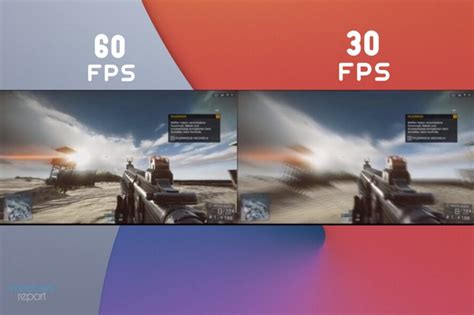
It’s a common and frustrating issue for many gamers: your high-performance PC, a beast during short bursts, starts to stutter or even shut down during extended gaming sessions. This usually points to overheating, where components like your CPU (Central Processing Unit) and GPU (Graphics Processing Unit) generate too much heat, leading to thermal throttling – a mechanism where the hardware reduces its clock speed to prevent damage. Not only does this degrade your gaming experience, but consistent high temperatures can also shorten the lifespan of your valuable components.
Before diving into solutions, it’s helpful to monitor your temperatures. Software like HWMonitor, MSI Afterburner, or NZXT CAM can provide real-time readings of your CPU and GPU temperatures. Under load, CPU temperatures typically shouldn’t exceed 80-85°C, while GPUs generally aim for below 85°C. Consistently hitting higher numbers indicates a problem that needs addressing.
Essential First Steps for Better Cooling
Often, the simplest solutions can yield significant improvements without needing to buy new hardware. These foundational steps are crucial for any PC cooling strategy.
Clean Your PC Regularly
Dust is the nemesis of PC cooling. Over time, dust accumulates on heatsinks, fans, and inside the case, acting as an insulating layer and impeding airflow. Use compressed air to carefully blow out dust from CPU heatsinks, GPU fins, case fans, and power supply vents. Ensure you hold fan blades stationary while cleaning to prevent over-spinning or damage. A thorough clean every 3-6 months can make a world of difference.
Optimize Cable Management
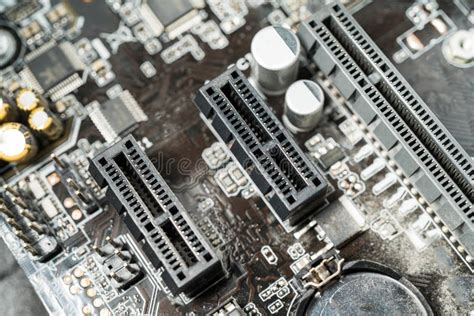
Messy cables inside your PC case can obstruct airflow, creating ‘dead spots’ where hot air gets trapped. Route cables neatly behind the motherboard tray or along the case edges using zip ties or Velcro straps. This allows for unobstructed passage of air from intake to exhaust fans, improving overall thermal performance.
Reapply Thermal Paste
Thermal paste is a compound that sits between your CPU (or GPU die) and its cooler, filling microscopic imperfections on both surfaces to ensure efficient heat transfer. Over several years, thermal paste can dry out and lose effectiveness. Reapplying a fresh layer of high-quality thermal paste can significantly improve CPU temperatures. This process requires carefully removing the CPU cooler, cleaning off old paste with isopropyl alcohol, and applying a new pea-sized dot before reattaching the cooler.
Upgrading Your Cooling Hardware
If basic maintenance doesn’t solve the problem, or if you’re running powerful components, it might be time to consider hardware upgrades.
Improve Case Airflow and Fans
The number and configuration of your case fans play a critical role. A good airflow strategy involves more intake fans (pushing cool air into the case) than exhaust fans (pulling hot air out). Popular configurations include two intake fans at the front and one exhaust fan at the rear, possibly with additional exhaust fans at the top. Ensure your fans are oriented correctly (most have an arrow indicating airflow direction).
Consider upgrading to higher-quality fans with better static pressure (for pushing air through obstacles like radiators or tight spaces) or higher CFM (cubic feet per minute) for general airflow. Some cases also have restricted front panels; if yours does, adding side intake or a more breathable front panel might be necessary.

CPU Cooling Solutions: Air vs. Liquid
The stock coolers that come with many CPUs are often adequate for basic use but quickly become insufficient under heavy gaming loads. Upgrading your CPU cooler is one of the most impactful changes you can make.
High-Performance Air Coolers
Modern tower-style air coolers with large heatsinks and multiple heat pipes are incredibly effective and often rival entry-level liquid coolers. They are generally quieter, more reliable (no pump to fail, no liquid to leak), and easier to install. Look for models with large fin arrays and 120mm or 140mm fans. Ensure your PC case has enough clearance for a large air cooler.
All-in-One (AIO) Liquid Coolers
AIO liquid coolers are sealed, pre-filled cooling systems that use a pump, radiator, and fans to dissipate heat. They are excellent for high-end CPUs, especially those that are overclocked, and can often provide superior cooling performance in a more compact form factor (compared to the largest air coolers). Common radiator sizes are 240mm, 280mm, and 360mm. The larger the radiator, the more surface area for heat dissipation. Installation is a bit more involved than air coolers but still manageable for most users.
Custom Liquid Cooling Loops
For enthusiasts seeking the absolute best performance and aesthetics, custom liquid cooling loops allow you to cool both your CPU and GPU with a single, highly efficient system. This is the most expensive and complex option, requiring significant knowledge and effort to plan, assemble, and maintain. While offering unparalleled thermal performance and quiet operation, it’s not typically recommended for beginners.
GPU Cooling Considerations
While most GPUs come with robust cooling solutions, sometimes they aren’t enough, especially with factory overclocks or in cases with poor airflow. Ensuring your case has excellent airflow is often the best way to help your GPU. If your GPU is consistently hitting thermal limits, you could consider:
- Vertical GPU Mount: In some cases, vertically mounting a GPU can improve its access to fresh air, but it can also restrict airflow to other components depending on case design.
- Aftermarket GPU Coolers: While less common and generally only for very high-end GPUs, kits from companies like Arctic Accelero can replace your GPU’s stock cooler with a more powerful air-based solution.
- Waterblock for Custom Loop: If you go the custom liquid cooling route, a GPU waterblock will be a major upgrade for its cooling.
Advanced Tweaks and Software
Once your hardware is optimized, software and firmware adjustments can further fine-tune your cooling.
Fan Curves and Software Control
Many motherboards and GPUs allow you to customize fan curves in the BIOS/UEFI or through manufacturer-provided software. This lets you set specific fan speeds based on component temperatures. A well-tuned fan curve can keep temperatures lower while minimizing unnecessary noise. For example, you might set fans to spin slowly at idle and ramp up aggressively as temperatures rise during gaming.
Undervolting
Undervolting involves reducing the voltage supplied to your CPU or GPU without significantly impacting performance. Less voltage means less heat generation. This requires careful testing and knowledge of your hardware but can be a very effective way to lower temperatures and power consumption without sacrificing frame rates.

Conclusion
Overheating during long gaming sessions is a problem with multiple solutions, ranging from simple maintenance to significant hardware upgrades. By systematically addressing dust, airflow, thermal paste, and potentially investing in better CPU coolers or case fans, you can ensure your gaming PC runs cooler, performs better, and lasts longer. A cool PC is a happy PC, providing you with countless hours of uninterrupted, high-performance gaming.