My gaming PC overheats during long sessions. What are the best immediate cooling fixes?

An overheating gaming PC can be a frustrating experience, leading to performance throttling, system instability, and even potential hardware damage over time. When your rig starts showing signs of excessive heat during long gaming sessions – like stuttering, crashing, or loud fan noise – immediate action is crucial. While long-term solutions might involve hardware upgrades, there are several quick fixes you can implement right away to bring temperatures down and keep your gaming smooth.
Understanding the Heat Threat
Modern gaming PCs generate a significant amount of heat, primarily from the CPU and GPU, especially when pushed to their limits during graphically intensive games. When this heat isn’t effectively dissipated, components can reach critical temperatures, triggering safety mechanisms like thermal throttling (reducing performance to cool down) or even a hard shutdown. Recognizing the signs of overheating early allows you to intervene before serious problems arise.

Quick Software Adjustments to Lower Temps
Before diving into physical interventions, a few software tweaks can often provide immediate relief.
1. Monitor Your Temperatures Religiously
Knowledge is power. Use monitoring software like HWMonitor, MSI Afterburner, or NZXT CAM to keep an eye on your CPU and GPU temperatures. This helps you identify exactly when and where the overheating is occurring, allowing you to gauge the effectiveness of your fixes.
2. Lower In-Game Settings and Cap FPS
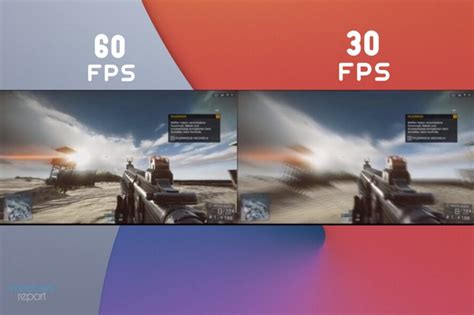
The most straightforward way to reduce heat generation is to lighten the load on your hardware. Lowering graphics settings (e.g., texture quality, shadows, anti-aliasing) and capping your frame rate (e.g., to your monitor’s refresh rate) can significantly reduce the stress on your GPU and CPU, leading to cooler operation.
3. Close Unnecessary Background Applications
Even when gaming, background applications and processes consume CPU and RAM resources, generating additional heat. Close web browsers, streaming services, chat applications, and any other programs not essential to your gaming experience.

Physical Interventions for Instant Relief
Once you’ve addressed software aspects, it’s time to get hands-on.
1. The Mighty Dust Clean-Up
Dust is the number one enemy of PC cooling. Over time, it accumulates on fan blades, heatsinks (CPU cooler, GPU cooler), and inside the case, acting as an insulating blanket and impeding airflow. Power down your PC, unplug it, and use a can of compressed air to thoroughly blast dust out of your CPU heatsink, GPU heatsink, and case fans. Pay special attention to any vents.

2. Optimize Case Airflow Immediately
If your PC case allows, temporarily opening a side panel can dramatically improve airflow by creating an unhindered path for hot air to escape and cool air to enter. Also, ensure your PC isn’t crammed into a tight space, as this restricts air circulation. Move it to an open area with plenty of room around its intake and exhaust vents.
3. Check Fan Speeds and Orientation
Many motherboards and GPUs allow you to manually adjust fan curves through BIOS/UEFI settings or dedicated software (like MSI Afterburner for GPUs). Temporarily setting your case fans and GPU fans to a higher, more aggressive speed can help push more air, though it will increase noise. Also, quickly check if all fans are spinning and correctly oriented (intake fans bringing air in, exhaust fans pushing air out).

Consider Temporary External Cooling
In a pinch, you can improvise with external cooling. A simple desk fan pointed at your open PC case can significantly aid in expelling hot air and introducing cooler ambient air. While not an elegant long-term solution, it can provide immediate temperature drops during a critical gaming session.
Crucial Don’ts for Overheating PCs
- Don’t Overclock: If you’ve previously overclocked your CPU or GPU, revert to stock settings immediately. Overclocking increases power consumption and heat output.
- Don’t Ignore Warnings: Persistent high temperatures are a sign of a deeper issue. Ignoring them can lead to irreversible hardware damage.

When Immediate Fixes Aren’t Enough
While these immediate fixes can provide significant relief, they may not be permanent solutions. If your PC continues to overheat, you might need to consider long-term strategies such as upgrading your CPU cooler, adding more case fans, reapplying thermal paste, or investing in a case with better airflow design. However, for getting through your current gaming session, the immediate steps above are your best bet.
Conclusion
An overheating gaming PC doesn’t have to spell the end of your gaming session. By implementing a combination of software adjustments and physical interventions – from monitoring temperatures and lowering game settings to thoroughly cleaning dust and optimizing airflow – you can often bring temperatures down quickly. Prioritize these immediate fixes to protect your valuable hardware and ensure your gaming experience remains cool, stable, and enjoyable.