My meta build feels weak. What critical micro-plays unlock its true potential?

The Meta Paradox: Why Your “Strong” Build Feels Weak
It’s a familiar and frustrating scenario for many gamers: you’ve diligently researched, acquired, and assembled a meta-defining build, hailed by pros and guides as the absolute best. Yet, in practice, it feels underwhelming. You’re losing lane, getting out-traded, or simply not having the impact you expected. The damage numbers might be there, the defensive stats solid, but the wins aren’t rolling in. What gives? The truth is, a meta build is merely a powerful toolkit; its true potential is unlocked not just by having the right tools, but by how skillfully you wield them.
Many players fall into the trap of believing that copying a build is enough. They optimize their gear, skills, and stats, but neglect the crucial layer of gameplay that separates casual competence from true mastery: micro-plays. These are the minute, split-second decisions and precise executions that elevate a good build to a devastating force. Without mastering these intricate details, even the most formidable meta build can feel surprisingly weak.
Beyond the Blueprint: Defining Micro-Plays
Micro-plays are the nuanced, moment-to-moment actions and reactions within a game that optimize your character’s performance, capitalize on small advantages, and mitigate disadvantages. They aren’t about your stat sheet; they’re about your input. Think of them as the fine motor skills of gaming, encompassing everything from perfect ability timing and efficient resource management to precise positioning and rapid target acquisition.
The cumulative effect of consistently executing these small optimizations is immense. A single micro-play might only grant a tiny advantage, but chaining dozens or hundreds of them over a game can swing entire matches. This is where the gap between merely having a meta build and truly excelling with one becomes apparent.
Resource Management Mastery
One of the most fundamental micro-plays involves efficient resource management. This isn’t just about not running out of mana or energy; it’s about maximizing their impact. Are you using your abilities at optimal times to gain maximum value, or are you spamming them off cooldown without a clear objective? Knowing when to hold an ability for a critical moment versus using it to secure a small advantage is key.
Consider cooldown tracking – yours and your opponent’s. A meta build often relies on powerful cooldowns. Knowing precisely when your burst combo is available, or when an enemy’s crucial defensive ability is on cooldown, allows you to dictate engagements and exploit temporary power windows. Every point of mana or energy spent, every second of cooldown, should be a conscious decision aimed at furthering your objective.
Positional Play and Spatial Awareness
Your positioning on the map and during engagements can be more critical than your raw stats. A perfectly optimized ranged carry build is useless if you’re constantly out of position and susceptible to engages. Micro-plays in this area include:
- Orb-walking/Kiting: Moving between attacks to maximize damage uptime while maintaining a safe distance or chasing effectively.
- Line of Sight (LoS): Using terrain, walls, or even minions to block incoming abilities, break target locks, or ambush enemies.
- Zoning: Using the threat of your abilities or character presence to control enemy movement, deny resources, or force them into unfavorable positions.
- Minimap Awareness: Constantly glancing at the minimap to anticipate enemy rotations, identify gank threats, or spot opportunities for your team.
Precision Timing and Execution
Many meta builds feature intricate combos or powerful but difficult-to-land abilities. The difference between a clunky, slow execution and a fluid, instant combo can be game-changing. This includes:
- Skillshot Accuracy: Landing critical abilities precisely, often requiring prediction of enemy movement.
- Combo Sequencing: Executing your ability rotation in the optimal order and speed to maximize burst damage, crowd control, or utility.
- Animation Canceling: Exploiting game mechanics to cut short ability animations, allowing for faster follow-ups or movement.
- Dodge/Block Timing: Using defensive abilities, movement skills, or even just sidesteps to avoid crucial enemy attacks with split-second timing.
Information Gathering & Adaptability
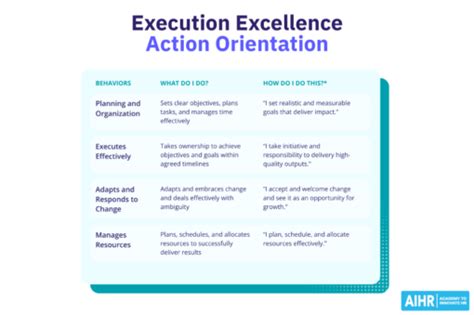
A meta build assumes certain conditions. When those conditions change, your micro-plays must adapt. This requires constant information gathering:
- Scouting: Actively seeking information about enemy positions, item purchases, and ability cooldowns.
- Build Adjustments: Making small, impactful changes to your item path or skill progression mid-game based on the immediate threats and opportunities presented by the enemy team.
- Counter-Play: Recognizing enemy win conditions and adjusting your micro-plays to specifically disrupt them. This might mean saving a stun for a specific enemy channel or positioning to protect a vulnerable teammate.
Unlocking True Potential: The Practice of Nuance
So, how do you cultivate these critical micro-plays? It starts with deliberate practice and a shift in mindset. Instead of just focusing on your build, focus on your execution. Dedicate practice time to specific mechanics: try to perfect your last hitting, practice a difficult combo 100 times, or deliberately focus on your minimap awareness for an entire game.
Record and review your gameplay. You’ll often be surprised at how many small errors accumulate, costing you critical advantages. Identify one or two micro-plays to improve upon each session, rather than trying to fix everything at once. With consistent effort, you’ll find that your meta build, once feeling weak, transforms into the powerful tool it was always meant to be, fueled by your mastery of the game’s intricate details.