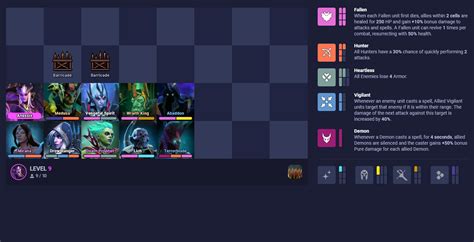
New patch! How to quickly identify emerging meta builds & avoid bad theorycrafts?

Navigating the Storm of a New Patch
The arrival of a new game patch is always a seismic event. Developers tweak numbers, introduce new mechanics, or overhaul existing systems, sending ripples through the established order. For competitive players and enthusiasts alike, this period is a thrilling race against time: to decode the changes, uncover the new optimal strategies, and adapt before the competition does. But how do you efficiently cut through the noise, spot the truly powerful emerging meta builds, and avoid falling for cleverly disguised, yet ultimately flawed, theorycrafting?

The Dynamic Landscape of Meta Shifts
Each patch acts as a reset button, invalidating old assumptions and opening doors for fresh strategies. What was once dominant might now be obsolete, and forgotten mechanics could suddenly become king. Understanding this dynamic shift is the first step. Look for direct buffs to specific items, abilities, or characters, as these are often the most straightforward indicators of potential new power spikes. Equally important are indirect changes – for instance, a nerf to a counter can inadvertently buff its previously struggling rival.
The goal isn’t just to find “a good build,” but to find the best performing builds that will define the competitive landscape until the next update. This requires a sharp eye for synergies and an ability to project how minor adjustments can cascade into game-altering effects.
Identifying Emerging Meta Builds: A Proactive Approach
1. Observe the Vanguard: Top Players & Content Creators
Professional players, high-ranked streamers, and dedicated content creators often have early access or simply dedicate more time to understanding new patches. They are invaluable resources. Watch their gameplay, pay attention to their build choices, and listen to their initial impressions. While their first attempts might not be perfected, they often quickly converge on strong archetypes.
![50 Incredible Video Game Statistics - [NEW DATA]](/images/aHR0cHM6Ly90czEubW0uYmluZy5uZXQvdGg/aWQ9T0lQLmUxUlZVeEdncVRkcXd6blozcS1KLWdIYUVWJnBpZD0xNS4x.webp)
2. Dive into Data & Analytics
Many games offer public APIs or fan-made sites that track player statistics, pick rates, win rates, and item popularity. Post-patch, these databases become goldmines. Look for:
- Significant spikes in win rates for specific characters, items, or combinations.
- Unusual pick rates for previously overlooked elements that are now performing well.
- High Elo player data – what are the best players gravitating towards?
Data provides objective evidence that gut feelings often lack. Be wary of small sample sizes immediately after a patch; wait for enough games to be played for trends to stabilize.
3. Recognize Core Synergies and Overpowered Mechanics
Sometimes, the meta isn’t just about raw numbers but about powerful new synergies or unintended interactions. Does a new item perfectly complement an existing ability? Does a buffed character now have an unstoppable combo with a specific ally? Identifying these core interactions is key. These are often the true drivers of a new meta, creating build paths that are significantly more efficient or potent than others.
Avoiding Bad Theorycrafts: Red Flags to Watch For
Equally important as finding the good is filtering out the bad. The internet is flooded with initial reactions and speculative builds, many of which are dead ends. Here’s how to spot the duds:
1. The “Hopium” Build (Based on Desire, Not Reality)
These builds are often born from a player’s desire for a specific playstyle or character to be viable, rather than objective analysis. They might sound cool on paper but crumble under actual game pressure. Look for a lack of empirical evidence or a heavy reliance on “if everything goes perfectly” scenarios.
2. Niche & Situational Dominance
A build might perform exceptionally well in a very specific, rare situation (e.g., against a certain team composition that is never played). While potentially strong, it lacks the versatility to be a true meta contender that works broadly across different game scenarios.
3. Ignoring Fundamental Flaws
Some theorycrafts overlook crucial aspects of game design, such as resource management, defensive stats, or counterplay. A build that focuses purely on offense but leaves you incredibly fragile, or one that requires an impossible amount of gold/resources to come online, is likely flawed.
4. Lack of Iteration and Testing
Good theorycrafting involves testing, refining, and re-testing. If a build is presented as a “perfect” solution immediately after a patch without any mention of practical application or adjustments, it’s a red flag. Real meta builds evolve through community trial and error.

Validate and Adapt: Your Personal Meta Journey
Once you’ve identified potential meta builds, the next step is personal validation. Don’t blindly adopt; test them yourself. Play a few games, pay attention to their strengths and weaknesses, and compare their performance against your previous builds. The meta is not static; it constantly shifts, even within a single patch cycle. Be prepared to adapt, learn from your games, and contribute to the ongoing discovery process.

Conclusion: Stay Ahead of the Curve
Mastering the art of quickly identifying emerging meta builds and sifting out bad theorycrafts is a crucial skill for any serious gamer. By combining community observation, data analysis, pattern recognition, and critical thinking, you can stay ahead of the curve, adapt faster, and enjoy a more rewarding and competitive gaming experience every time a new patch drops. Embrace the challenge, and let the new meta unfold before you!