NVMe or SATA SSD: What’s the best gaming storage for lightning-fast load times?
In the quest for the ultimate gaming rig, every component plays a role in delivering a smooth, immersive experience. While the CPU and GPU often hog the spotlight, your storage solution is a silent workhorse, dictating how quickly you can dive into your favorite virtual worlds. The perennial question for PC builders and upgraders alike often boils down to: NVMe or SATA SSD? Both offer significant speed advantages over traditional hard drives, but one promises lightning-fast load times that could make a difference.
The Stalwart: SATA SSDs
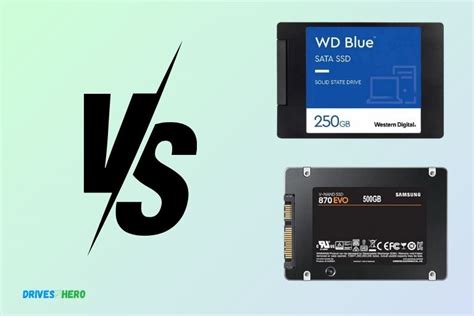
SATA (Serial Advanced Technology Attachment) SSDs have been the go-to upgrade for years, offering a dramatic boost over mechanical hard drives. They connect via the familiar SATA 3.0 interface, delivering theoretical maximum sequential read/write speeds of around 550 MB/s. For most users, a SATA SSD transforms a sluggish system into a responsive powerhouse, making boot-ups snappy and application launches near-instant.
Their main advantages lie in their maturity, affordability, and broad compatibility. Nearly every modern motherboard has multiple SATA ports, and these drives come in a standard 2.5-inch form factor that easily fits into most PC cases. While their peak performance might not rival their newer NVMe counterparts, SATA SSDs still represent excellent value and a substantial upgrade for anyone still clinging to an HDD.
The Speed Demon: NVMe SSDs
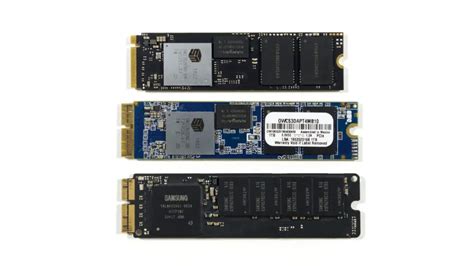
Enter NVMe (Non-Volatile Memory Express), a communications protocol specifically designed for SSDs that leverages the high-speed PCIe (Peripheral Component Interconnect Express) interface. Unlike SATA, which was originally designed for HDDs, NVMe is built from the ground up for flash memory, unlocking vastly superior performance.
NVMe drives come in various form factors, with the most common being M.2, a small stick-like module that plugs directly into your motherboard. By utilizing PCIe lanes, NVMe SSDs can achieve sequential read/write speeds ranging from 3,500 MB/s to over 12,000 MB/s for PCIe Gen 5 drives – a monumental leap over SATA. This incredible bandwidth isn’t just about raw numbers; it translates to significantly faster data transfer rates, crucial for demanding tasks beyond just gaming.
Gaming Performance: Where Does it Matter Most?
Load Times and In-Game Assets
This is where many gamers expect NVMe to truly shine. For games with large, open worlds or frequent loading screens, faster storage theoretically means less waiting. Titles like Cyberpunk 2077, Starfield, or Forza Horizon 5 can benefit from NVMe’s high throughput, reducing the time spent on loading screens between zones or at the start of a game.
However, the real-world difference between a high-end SATA SSD and an entry-level NVMe SSD in terms of gaming load times alone can sometimes be less dramatic than benchmarks suggest. While NVMe is undoubtedly faster, game engines often have other bottlenecks, such as CPU processing of assets or GPU rendering, that can cap the benefit of ultra-fast storage. The difference might be a few seconds, rather than tens of seconds.
DirectStorage and Future Gaming
The landscape is evolving with technologies like Microsoft’s DirectStorage API, which is designed to allow games to load assets directly from the SSD to the GPU, bypassing the CPU to reduce overhead and improve loading times significantly. This technology, already implemented in titles like Forspoken and Ratchet & Clank: Rift Apart on PC, is specifically optimized for NVMe SSDs (especially PCIe Gen 4 and newer) due to their high bandwidth and low latency. As more games adopt DirectStorage, the performance gap between NVMe and SATA for gaming will become far more pronounced and critical.
Factors Beyond Speed: Cost, Compatibility, and Capacity
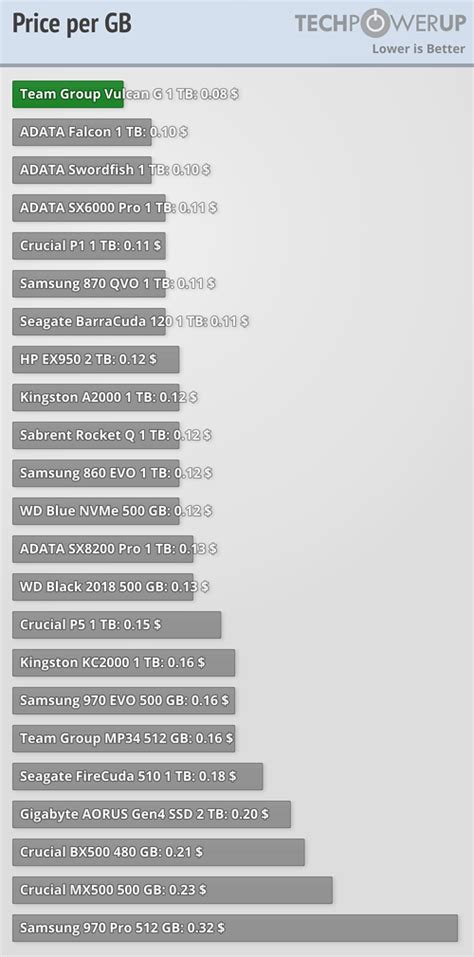
- Cost: SATA SSDs are generally more affordable per gigabyte than NVMe SSDs. If budget is a primary concern, a large SATA SSD might be a better choice than a smaller, more expensive NVMe drive.
- Compatibility: Most modern motherboards support at least one M.2 NVMe slot, but older systems might only have SATA connectivity. Ensure your motherboard has the necessary M.2 slot and supports the desired PCIe generation (Gen 3, Gen 4, or Gen 5) for optimal NVMe performance.
- Capacity: Both NVMe and SATA SSDs are available in various capacities, from 250GB up to 8TB or more. Consider your game library size and future needs.
- System Responsiveness: Beyond gaming, an NVMe drive will make your entire system feel snappier, from booting Windows to opening heavy applications and transferring large files.
The Verdict: Which Should You Choose?
For most casual gamers or those on a tighter budget, a high-quality SATA SSD still offers excellent performance and a massive upgrade over a hard drive. You’ll enjoy fast boot times and significantly reduced loading screens in most games, with little noticeable difference in raw gaming performance compared to NVMe in many current titles.
However, if you’re building a new high-end gaming PC, want the absolute fastest load times possible, prioritize future-proofing, or play games that specifically leverage technologies like DirectStorage, then an NVMe SSD (preferably PCIe Gen 4 or Gen 5, depending on your motherboard) is the clear winner. The overall system responsiveness and the potential for future gains with new game technologies make NVMe the superior choice for enthusiasts and those seeking the cutting edge.
Ultimately, both NVMe and SATA SSDs are excellent storage solutions for gaming compared to traditional HDDs. Your decision should hinge on your budget, motherboard compatibility, and how much you value those extra seconds of load time reduction and future-proof performance.