




Optimal DPS build for current PvE meta?

Navigating the Current PvE Landscape for Peak DPS
In the ever-evolving world of PvE content, staying ahead of the curve means constantly adapting your approach to maximize damage per second (DPS). The current meta often shifts with patch updates, new encounter mechanics, and balance changes, making it crucial to understand not just ‘what’ to equip, but ‘why’ certain choices reign supreme. This guide will break down the optimal DPS build, focusing on the principles that drive its effectiveness in today’s most challenging encounters.

Understanding the Foundation: Current Meta Dynamics
Before diving into specifics, it’s essential to grasp what defines the ‘current meta.’ This typically refers to the prevailing strategies and character setups that yield the highest performance across a broad spectrum of PvE content, from raid bosses to high-level dungeons. Key factors influencing the meta include:
- Encounter Design: Are most fights single-target, heavy AoE, or require frequent target switching?
- Damage Profiles: Is burst damage favored, or sustained DPS over longer durations?
- Utility Requirements: Do certain classes or builds bring invaluable utility (e.g., specific buffs, debuffs, crowd control) that outweighs pure damage output?
- Gear Availability: How accessible are the best-in-slot (BiS) items, and what are the most viable alternatives?
The optimal build presented here is designed to excel in a mixed environment, offering both robust single-target damage and strong cleave/AoE capabilities, with an emphasis on reliable performance under pressure.
Core Components of the Optimal DPS Build
1. Gear Prioritization: Best-in-Slot (BiS) and Alternatives
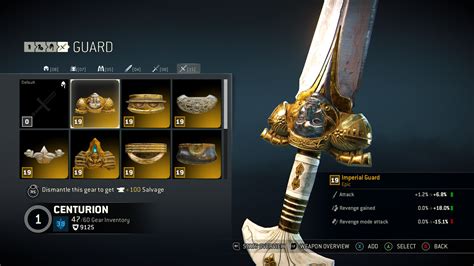
The foundation of any high-performing DPS build lies in its gear. Focus on acquiring items that offer optimal stat distribution and powerful set bonuses. While specific items will vary by game, the general principle is to prioritize pieces with your primary offensive stats (e.g., Agility/Strength/Intellect), followed by critical secondary stats (e.g., Haste, Critical Strike, Versatility, Mastery) in their optimal ratios. Look for unique trinkets or legendary effects that provide significant damage amplification or resource generation. Don’t overlook crafted items or easily obtainable alternatives that can serve as strong placeholders until BiS drops.
2. Stat Weights and Caps
Understanding your class’s stat weights is paramount. These numerical values indicate how much DPS each point of a given stat contributes. Resources like simulation tools (e.g., RaidBots, SimC, community-driven theorycrafting sites) are invaluable for determining your personalized stat weights. Be mindful of potential ‘soft caps’ or ‘breakpoints’ where a stat’s value might diminish or dramatically increase after reaching a certain threshold. For example, some classes might prioritize Haste until a specific global cooldown (GCD) breakpoint, then shift focus to Critical Strike or Versatility.
3. Talent/Skill Tree and Ability Choices
Your talent or skill tree selections are critical for tailoring your character to the current meta. Often, there are ‘default’ talent choices for optimal raid or dungeon DPS, but some tiers might offer situational flexibility. Prioritize talents that:
- Enhance your core damaging abilities.
- Provide valuable passive stat increases.
- Improve resource management.
- Offer strong area-of-effect (AoE) options when needed.
It’s also important to understand the synergy between your chosen talents and your gear. Sometimes, a specific talent choice can significantly amplify the power of a particular gear set or legendary effect.
Mastering the Rotation: Execution is Key
Possessing the best gear and talents is only half the battle; executing your damage rotation flawlessly is where true DPS shines. Practice is essential, both on training dummies and in live content. Focus on:
- Opener: Your initial sequence of abilities to maximize burst damage at the start of an encounter.
- Priority System: For many classes, rotations are less about a strict sequence and more about a priority list of abilities to use when available, based on their damage, cooldowns, and resource cost.
- Resource Management: Efficiently spending and regenerating your primary resource (mana, energy, rage, combo points, etc.) to minimize downtime.
- Cooldown Usage: Using powerful offensive cooldowns strategically, often aligning them with encounter phases, boss vulnerabilities, or party buffs.
- AoE vs. Single Target: Knowing when to switch between your single-target and area-of-effect rotations based on the number and health of enemies.

Advanced Optimization and Adaptation
To truly push your DPS to the limit, consider these advanced tips:
- Consumables: Always utilize the best available flasks, potions, food, and enchants. These seemingly small bonuses add up significantly over an encounter.
- Situational Awareness: High DPS isn’t just about hitting buttons; it’s about anticipating mechanics, pre-positioning, and making split-second decisions that allow you to maintain uptime and minimize damage taken.
- Simulation and Log Analysis: Regularly sim your character to identify potential upgrades and analyze your combat logs from actual encounters to pinpoint areas for improvement in your rotation or talent choices.
- Addons/UI: Use appropriate UI modifications or addons that help track important buffs, debuffs, cooldowns, and procs without cluttering your screen.

Conclusion
Achieving optimal DPS in the current PvE meta is a continuous journey of learning, adapting, and refining. By understanding the core principles of gear prioritization, stat weights, talent synergies, and mastering your rotation, you can significantly enhance your performance. Remember, the ‘optimal’ build is not static; it evolves, and staying informed through community resources and personal experimentation is key to consistently topping the damage meters.