Optimal guide structure for quick answers & spoiler-free gaming?

The Gamer’s Dilemma: Help Without Spoilers
Every gamer reaches a point where they’re stuck. A puzzle, a boss, a hidden item – the urge to look up a solution is strong. However, the fear of stumbling upon a crucial plot twist, an endgame reveal, or simply a surprise moment can deter players from seeking assistance. The challenge for guide creators, therefore, is to design structures that offer immediate, precise answers without compromising the core joy of discovery and narrative progression. How can we build guides that serve as a lifeline, not a spoiler minefield?

Core Principles for Spoiler-Free Quick Answers
An optimal guide balances immediate utility with a respect for player agency and narrative integrity. This requires a multi-faceted approach, focusing on modularity, clear signposting, and deliberate content segmentation.
1. Modularity and Micro-Answers
Break down the guide into the smallest possible self-contained units. Instead of lengthy paragraphs describing an entire quest, have distinct sections for specific objectives, puzzles, or enemy encounters. Each section should ideally provide a direct answer to a common question (e.g., “How to defeat X boss,” “Where is Y collectible,” “Solution to Z puzzle”) without requiring the player to read extraneous information.
2. Front-Loaded Quick Reference
For common pain points or easily missed items, consider a ‘Quick Reference’ section at the very beginning of the guide, or at the start of each major game chapter. This might include:
- Commonly missed collectibles for the current area.
- Optional side quest start points.
- Key item locations needed for progression.
These should be exceptionally brief, perhaps bullet points, linking to more detailed spoiler-tagged explanations if necessary.

3. Robust Table of Contents & Navigation
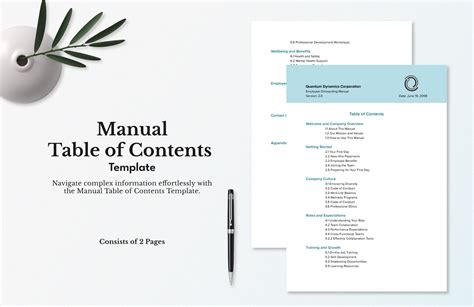
A highly detailed and clickable Table of Contents (TOC) is non-negotiable. It should map out the entire game’s progression, allowing players to jump directly to the exact point they need. Use clear, descriptive headings (H2, H3, H4) that accurately reflect the content of each section. For web-based guides, ensure anchor links are implemented correctly. A search function is also a powerful tool for quick navigation.
Implementing Spoiler Protection
This is where careful design truly shines. Spoilers aren’t just plot points; they can be secret areas, optional bosses, or even character appearances that a player might prefer to discover organically.
1. Explicit Spoiler Warnings & Hiding
Any content that could be considered a spoiler – whether minor or major – must be clearly marked. Ideally, this content should be hidden behind a clickable ‘spoiler’ tag or an accordion/collapsible element. Players can then choose to reveal it only when they deem it necessary. Phrases like “Click to reveal plot spoiler for Chapter 5” or “Hidden Boss Strategy (Optional Content)” are crucial.
2. Separate Sections for Optional Content
Side quests, collectibles, achievements, and post-game content should be in entirely separate, clearly demarcated sections. This allows players focused on the main story to skip over information about optional content they haven’t encountered yet, preventing accidental spoilers about their existence or location.

Structuring for Different Game Types
While the core principles remain, the specific implementation may vary:
- Linear RPGs/Adventure Games: Chapter-by-chapter or quest-by-quest structure works best, mirroring the game’s progression.
- Open-World Games: Area-based guides, with separate sections for main quests, side quests, and collectibles within each region. A master index for all collectibles or questlines can also be beneficial.
- Puzzle Games: Puzzle-specific sections, with solutions hidden behind spoiler tags.
The Role of Visuals and Examples
Visual aids are incredibly powerful for quick answers. Screenshots, maps with marked locations, or short video clips embedded (if the platform allows) can convey information far faster than text alone. When using text, provide clear, concise steps and use bullet points or numbered lists for complex sequences.

Conclusion: Empowering the Player
An optimal guide structure for quick, spoiler-free gaming is one that respects the player’s journey. It’s not just about providing answers; it’s about providing them intelligently, allowing players to retrieve exactly what they need, precisely when they need it, without diminishing their personal experience of discovery. By prioritizing modularity, clear navigation, and robust spoiler protection, guide creators can transform a potential frustration into a seamless, supportive complement to the gaming adventure.