Optimal practice routine for aspiring esports pros?
The Blueprint for Esports Excellence: Crafting Your Daily Grind
Becoming an esports professional isn’t just about raw talent; it’s about discipline, consistency, and a meticulously crafted practice routine. Just like traditional athletes, esports pros follow rigorous schedules designed to hone their skills, maintain peak performance, and develop the mental fortitude required for high-stakes competition. But what exactly constitutes an “optimal” routine?
This article dives into the essential components and strategic considerations for aspiring players looking to build a practice regimen that paves the way to professional success.
Warm-up and Skill Drills: Laying the Foundation
Every great practice session begins with a proper warm-up. This isn’t just about getting your fingers ready; it’s about warming up your mind and reflexes. Dedicate 30-60 minutes to aim trainers (for FPS games), mechanical drills (for MOBAs/RTS), or custom training maps that target specific skills. The goal is to get comfortable with your input devices and ensure your reaction times are sharp before diving into competitive play.
Beyond the warm-up, structured skill drills are paramount. Instead of mindlessly queuing, identify specific weaknesses – perhaps your last-hitting, map awareness, or clutch factor – and find or create drills to address them directly. Repetition with purpose builds muscle memory and sharpens intricate mechanics.
Deliberate Practice and VOD Review: Learning from Every Moment
This is arguably the most critical part of an aspiring pro’s routine. Deliberate practice means playing with a specific goal in mind, focusing on improvement rather than just winning. After each game, don’t just queue again. Take a break, reflect, and most importantly, review your own gameplay (VOD review).
Analyzing your VODs allows you to objectively identify mistakes, understand decision-making processes, and pinpoint areas for improvement that might be missed in the heat of the moment. Pay attention to positioning, itemization, communication, and overall strategic execution. Comparing your plays to professional players or high-level peers can also provide invaluable insights.

Team Practice and Scrims: The Crucible of Competition
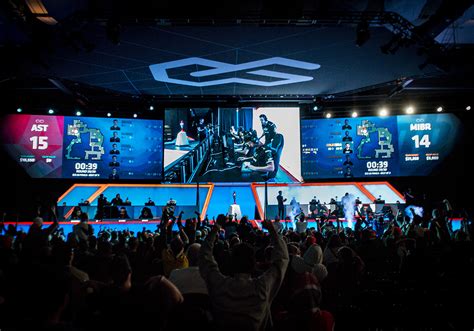
While solo queue and individual practice are crucial, competitive esports is fundamentally a team endeavor. Dedicate significant time to team practice, including scrims (practice matches against other teams) and tactical discussions. This is where individual skills integrate into cohesive team play. Focus on communication, synergy, strategic execution, and adapting to different opponents.
Effective team practice involves setting clear objectives for each scrim block, debriefing thoroughly afterwards, and making adjustments for future matches. Learning to work under pressure with your teammates, understanding their tendencies, and developing a unified game plan are essential for success at the higher echelons.
Physical and Mental Conditioning: Beyond the Screen
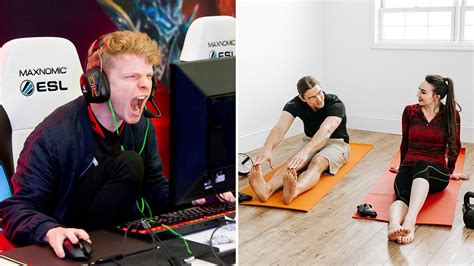
An optimal esports routine extends beyond just gaming. Physical health directly impacts cognitive function, reaction time, and endurance. Incorporate regular exercise – even short breaks for stretching or a quick walk – into your day. Proper nutrition and hydration are equally vital for sustained focus and preventing burnout.
Mental conditioning is just as important. Esports can be incredibly taxing emotionally. Practices like mindfulness, meditation, or even simply taking planned breaks can help manage stress, improve focus, and develop resilience against tilt. Prioritize quality sleep; it’s non-negotiable for peak mental performance.
Structuring Your Day: A Sample Schedule
While individual routines will vary based on the game and personal circumstances, a sample day might look like this:
- Morning (1-2 hours): Physical exercise, healthy breakfast, warm-up and individual skill drills.
- Late Morning/Early Afternoon (3-4 hours): Deliberate practice (solo queue with purpose, focusing on specific goals), followed by VOD review.
- Afternoon Break: Lunch, rest, social interaction, or light physical activity.
- Evening (4-5 hours): Team practice, scrims, tactical discussions.
- Night: Cool-down, light stretching, reading, preparing for the next day, and ensuring sufficient sleep.
Remember, this is a template. Flexibility is key. Some days might focus more on VODs, others on specific drills, and others heavily on team play. The total dedicated time will also vary, but generally, aspiring pros log 8-12 hours of focused work daily, including breaks.

Consistency and Adaptability: Keys to Long-Term Growth
The most optimal routine is one you can consistently stick to. Skipping days or practicing half-heartedly will hinder progress. Build habits that promote continuous improvement. Furthermore, be prepared to adapt your routine. The meta of your game will change, new strategies will emerge, and your own weaknesses will evolve. Regularly reassess your practice methods and make necessary adjustments.
Professional esports is a marathon, not a sprint. The players who reach the top and stay there are those who not only put in the hours but do so intelligently, methodically, and with an unwavering commitment to self-improvement.
Conclusion: Discipline Drives Destiny
An optimal practice routine for an aspiring esports pro is a holistic system that balances mechanical skill development, strategic understanding, team synergy, and personal well-being. It demands discipline, self-awareness, and a relentless pursuit of excellence. By committing to a structured regimen that incorporates deliberate practice, thorough analysis, and comprehensive physical and mental care, players can significantly increase their chances of turning their passion into a professional career.