




Optimal PvP build for current patch to climb ranked ladder?

Dominating the Ladder: The Current Patch’s Top PvP Build
Climbing the ranked ladder in any competitive game requires more than just mechanical skill; it demands an understanding of the current meta, optimal build synergy, and adaptive play. For the current patch, a specific build has emerged as a frontrunner, offering a potent blend of burst damage, surprising sustain, and crucial utility that excels in both solo queue and coordinated team play. This guide will break down every aspect of this build, from core philosophy to specific gear choices, ensuring you have all the tools to ascend to the top ranks.
Our focus is on a high-impact, medium-range caster/melee hybrid build that capitalizes on recent balance changes, specifically buffing certain resource generation mechanics and slightly nerfing prevalent tankiness. This creates a window of opportunity for builds that can quickly cycle through damage and defensive cooldowns, dictating the pace of engagements.

Core Build Philosophy: Calculated Aggression
The essence of this optimal build lies in its ‘Calculated Aggression’ philosophy. It’s not about mindlessly rushing in, nor is it purely passive. Instead, it leverages short windows of high burst damage, followed by tactical repositioning or defensive maneuvers, while consistently applying pressure. The build prioritizes stats that enhance both critical strike chance and cooldown reduction, allowing for frequent bursts and rapid reset of key abilities. Resource management is surprisingly forgiving, due to specific talent choices that refund a portion of expended resources upon critical hits, maintaining offensive uptime.
This approach allows players to dictate fights, punishing opponents who overextend or misposition, while having the tools to disengage or mitigate damage when focused. It shines in skirmishes and objective control, providing both offensive threat and tactical flexibility.
Key Abilities & Skill Rotation
The success of this build hinges on a precise understanding and execution of its core abilities. Here’s a breakdown:
- Primary Damage Spell/Attack (Q-equivalent): Your bread-and-butter ability for consistent damage and critical strike procs. Max this first.
- Burst Combo Initiator (W-equivalent): A ranged ability with a short cast time that debuffs the target, increasing damage taken from your next ability.
- Core Burst Spell (E-equivalent): Your heaviest hitting ability, ideally used immediately after the initiator for maximum impact.
- Defensive/Utility (R-equivalent): A flexible ability that either provides a short invulnerability, a cleanse, or a significant movement speed boost. This is crucial for survival and re-positioning.
- Ultimate Ability (T-equivalent): A powerful area-of-effect or single-target execute that should be used to secure kills or turn team fights.
The rotation typically begins with the Burst Combo Initiator, followed by the Core Burst Spell. Interspersed with these are Primary Damage Spells to maintain pressure and generate resources. The Defensive/Utility ability should be reserved for critical moments, either to escape lethal damage or to re-engage after a successful burst.
Optimal Gear & Stat Priority
Gear selection is paramount for this build. You’ll be looking for items that provide a balanced distribution of offensive and defensive stats, with a strong emphasis on specific primary attributes.
Stat Priority:
- Primary Attribute (e.g., Intellect/Agility): Maximizes spell/attack power.
- Critical Strike Chance: Fuels resource generation and burst potential.
- Cooldown Reduction: Ensures frequent access to burst combos and defensive tools.
- Versatility/Damage Reduction: Crucial for surviving burst windows from opponents.
- Haste: Improves cast times and attack speed, but less prioritized than the above.
Key Gear Pieces:
- Weapon: Prioritize a weapon with high primary attribute and critical strike. Consider a two-handed weapon for raw power or dual-wield for additional enchantments/stats, depending on the game’s mechanics.
- Armor Set: Aim for a set bonus that provides either increased damage during burst windows or significant damage reduction. Seek pieces with high critical strike and versatility.
- Trinkets: One burst trinket (e.g., on-use damage increase) and one defensive trinket (e.g., crowd control break or shield) are ideal.
- Enchantments/Gems: Focus entirely on critical strike and cooldown reduction where possible.

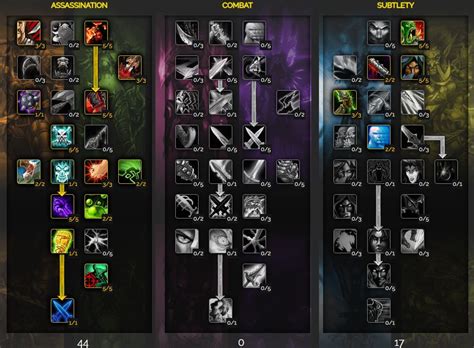
Talents & Specializations
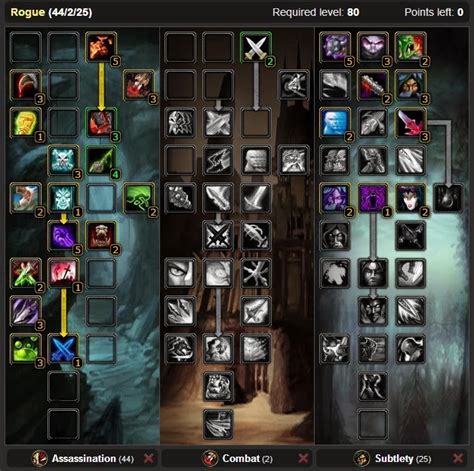
The talent tree selections are designed to amplify the build’s burst, sustain, and utility. While specific talent names vary, the underlying concepts are:
- Tier 1 (Resource Management): A talent that either increases resource generation on critical hits or reduces the cost of core abilities.
- Tier 2 (Mobility/Control): A talent that provides a short dash, a stun, or a root. This enhances either offensive pressure or defensive escapes.
- Tier 3 (Damage Amplification): A passive or active talent that significantly increases damage during a short window, synergizing with your burst combo.
- Tier 4 (Sustain/Defensive): A talent that grants a small heal on damage dealt, a temporary shield, or reduces incoming damage from specific sources.
- Tier 5 (Ultimate Enhancement): A talent that empowers your ultimate ability, either by increasing its damage, reducing its cooldown, or adding a secondary effect.
These talents collectively ensure that every aspect of the build’s philosophy is supported, allowing for dynamic play and adaptation to various combat scenarios.
Playstyle & Tactical Execution
Mastering this build on the ranked ladder means understanding its flow in different situations:
- Opening: Look for opportunities to initiate with your Burst Combo Initiator when an enemy is slightly out of position or has used a key defensive cooldown. Follow up aggressively.
- Mid-Fight: After your initial burst, cycle through your Primary Damage Spells while waiting for cooldowns. Keep an eye on enemy positioning and your own defensive resources. Use your Defensive/Utility ability reactively or proactively to escape incoming damage or re-position for another burst.
- Team Fights: Focus high-priority targets (healers, enemy damage dealers) with your burst. Use your Ultimate to secure kills or apply significant pressure to multiple targets. Maintain distance when not bursting, allowing your team to absorb frontline damage.
- Objective Play: Your burst potential makes you excellent at contesting or defending objectives. Use your mobility to rotate quickly and apply pressure where it’s needed most.
Always be aware of your surroundings, enemy cooldowns, and your team’s positioning. The build rewards smart, calculated decisions rather than reckless aggression.

Counterplay & Weaknesses
No build is invincible. This build’s primary weakness is sustained, heavy crowd control and highly mobile burst assassins who can quickly close the gap and negate your medium-range advantage. Players who can bait out your Defensive/Utility ability and then lock you down will pose a significant threat. To mitigate this, consider positioning near teammates who can provide peels or using cover effectively to break line of sight against long-range threats.
Additionally, builds that stack very high amounts of damage reduction can sometimes absorb your burst and retaliate effectively. In such scenarios, focus on wearing them down with consistent pressure and only commit your full burst when they are already weakened or isolated.
Conclusion
This optimal PvP build for the current patch offers a compelling pathway to climbing the ranked ladder. By combining potent burst damage with crucial utility and robust sustain, it empowers players to control the flow of combat and capitalize on enemy mistakes. Remember that practice is key; mastering the rotation, understanding positioning, and making swift decisions will elevate your gameplay and ensure your ascent to higher ranks. Good luck, and may your critical strikes be plentiful!