Optimal solo queue practice routine for rapid competitive rank improvement?

Climbing the competitive ladder in any esport can feel like an insurmountable task, especially when navigating the unpredictable waters of solo queue. However, with a disciplined and intentional practice routine, solo queue can transform from a source of frustration into a powerful tool for rapid skill development and rank improvement. This article outlines an optimal solo queue practice routine designed to maximize your learning efficiency and elevate your game.
Understanding the Solo Queue Grind
Solo queue is unique; it tests not only your mechanical skill and game knowledge but also your adaptability, mental fortitude, and ability to influence outcomes with minimal coordination. Many players fall into the trap of ‘mindless grinding,’ playing countless games without a specific learning objective, leading to burnout and stagnant ranks. The key to improvement lies in treating every solo queue match as a structured learning opportunity.
Before diving into games, recognize that competitive improvement is a marathon, not a sprint. It requires patience, resilience, and a commitment to self-analysis over blaming teammates. Your focus should always be on identifying and improving your own gameplay, as that’s the only variable you can consistently control.

The Foundation: Mindset and Preparation
Your mental state before, during, and after games is paramount. A calm, focused, and positive mindset can significantly impact your performance and learning capacity. Prioritize a pre-game ritual that helps you get into the zone.
- Warm-up: Spend 10-15 minutes in a practice tool or quick play mode to warm up your mechanics and get a feel for the game. Don’t jump straight into ranked.
- Set Session Goals: Before your first game, define 1-2 specific, actionable goals for your play session. Examples: “Focus on my jungle pathing in the early game,” “Improve my map awareness and pinging,” or “Die less by respecting enemy cooldowns.” These goals provide a lens through which to evaluate your performance.
- Eliminate Distractions: Turn off notifications, close unnecessary tabs, and ensure you won’t be interrupted. Create an environment conducive to focus.
Intentional Play: Maximizing Each Match
Once you’re in a game, actively work towards your pre-set goals. This isn’t just about winning; it’s about learning and executing.
- Active Learning: Continuously ask yourself “why?” Why did I take that fight? Why am I in this position? Why did that play work/fail? This metacognition helps ingrain better habits.
- Focus on Fundamentals: Regardless of your role or game, fundamentals like positioning, last hitting/farming, cooldown tracking, and vision control are always relevant. Dedicate specific games to honing these core skills.
- Communication & Leadership (where applicable): Even in solo queue, effective pings and concise communication can make a difference. Practice shot-calling or coordinating plays, even if it’s just with pings.
- Avoid Tilt: Recognize when you’re starting to get frustrated. Take a brief break, stretch, or grab a drink. Playing on tilt almost guarantees suboptimal performance.
Post-Game Analysis: The Real Learning Happens Here
This is arguably the most crucial phase of the routine, where raw gameplay translates into tangible improvement. Do not skip this step!
- Immediate Self-Reflection (5 minutes): After each game, spend a few minutes reflecting. Did you meet your session goals? What were your biggest mistakes? What did you do well? Write down 1-2 key takeaways.
-
VOD Review (15-30 minutes, 1-2 games per session): Select one or two games from your session (ideally one win, one loss, or games where you felt particularly challenged) and re-watch key moments. Focus on:
- Your deaths: Could they have been avoided?
- Missed opportunities: Did you fail to capitalize on an enemy mistake?
- Decision-making: Why did you make certain choices? What would have been better?
- Matchups: How did you play specific matchups?
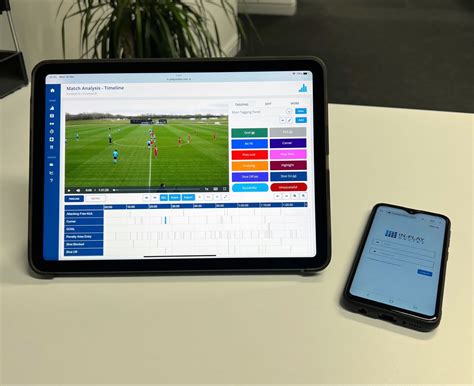
- Actionable Feedback: Translate your VOD review findings into concrete, actionable steps for your next game. “Next time I’m in X situation, I will do Y.” Add these to your next session’s goals.
Structured Practice Sessions
A typical optimal solo queue practice session might look like this:
- Warm-up: 10-15 minutes (e.g., aim trainer, custom game, normal match).
- Goal Setting: 5 minutes (Define 1-2 specific goals for the session).
- Game Block (2-4 games): Play with intense focus on your goals, applying lessons learned. Take short breaks between games if needed.
- Post-Game Self-Reflection: 5 minutes after each game.
- VOD Review & Analysis: 15-30 minutes (Focus on 1-2 games, identify key takeaways).
- Refine Goals: 5 minutes (Adjust goals for the next session based on analysis).
Consistency is more important than duration. Even 1-2 hours of focused, structured practice daily or every other day will yield better results than 8 hours of mindless grinding once a week.
Adapt and Overcome: Continuous Improvement
Your practice routine isn’t static. As you improve, your weaknesses will change, and your goals should adapt accordingly. Regularly review your progress and adjust your focus areas. Don’t be afraid to experiment with different strategies or roles in unranked modes before bringing them to solo queue.
Remember, solo queue is a tool. Use it wisely, and it will serve as an invaluable catalyst for your competitive rank improvement. Embrace the learning process, stay disciplined, and watch your rank climb.
![8 Best Free 3D Video Player for Window and Mac[2025]](/images/aHR0cHM6Ly90czQubW0uYmluZy5uZXQvdGg/aWQ9T0lQLjhac1hYZ3RSLWdIaUUyLXFMdXlnYWdIYUVjJnBpZD0xNS4x.webp)