





Optimal VOD review method for esports team improvement?

Unlocking Performance: The Power of Optimal VOD Review in Esports
In the high-stakes world of professional esports, the difference between victory and defeat often hinges on marginal gains and relentless self-improvement. While raw talent and mechanical skill are foundational, consistent team performance is cultivated through meticulous analysis and strategic refinement. This is where Video On Demand (VOD) review emerges as an indispensable tool, offering a forensic look at past gameplay to inform future success. But what constitutes an “optimal” VOD review method, one that truly translates into tangible team improvement?
Common Pitfalls and Why They Hinder Progress
Many teams engage in VOD review, but not all reviews are created equal. Common issues include passive viewing, focusing solely on individual mistakes, lacking clear objectives, or failing to translate insights into actionable strategies. A VOD review session that devolves into a blame game or lacks a structured approach is unlikely to yield significant progress. Without a methodical framework, teams risk rehashing old problems without identifying root causes or implementing effective solutions.
Core Principles of Effective VOD Analysis
Setting Clear Objectives
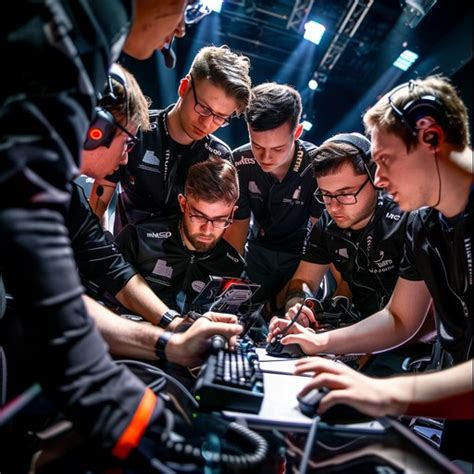
Before pressing play, a team must define what they aim to achieve. Are they analyzing a specific map, a particular team composition, individual player rotations, or late-game decision-making? Specific objectives (e.g., “Improve early-game vision control on Map X” or “Analyze communication during objective contests”) provide focus and prevent aimless viewing.
Active Engagement vs. Passive Consumption
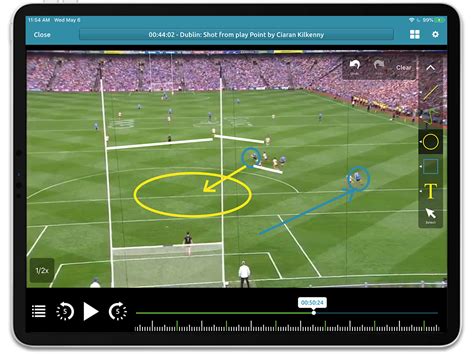
VOD review should be an interactive process. Players and coaches should actively pause, rewind, discuss, and annotate. Using tools that allow for drawing, marking, and time-stamping specific moments fosters deeper engagement and collective understanding.
Multi-Layered Focus: Individual, Team, and Macro
An optimal review covers all bases. Individual players can identify personal mechanical errors or positioning mistakes. The team can analyze coordination, engage timings, and objective prioritization. Macro-level review looks at overall game flow, economic advantages, and strategic responses to opponent plays. Neglecting any layer leaves gaps in improvement.

Implementing a Structured VOD Review Process
Pre-Review Preparation
Coaches or designated analysts should pre-screen VODs to identify key moments, highlight specific plays (good and bad), and formulate questions for the team. This preparation streamlines the review, ensuring valuable time is spent on critical junctures rather than watching entire matches passively.
During the Review Session
- Designated Moderator: A coach or team captain should lead the discussion, keeping it on track and encouraging constructive feedback.
- Player Input: Players should be encouraged to self-critique first, explaining their thought processes in specific moments.
- Focus on ‘Why’: Instead of just pointing out mistakes, delve into *why* they occurred. Was it a lack of information, miscommunication, or a flawed strategic assumption?
- Positive Reinforcement: Highlight successful plays and good decision-making to build confidence and reinforce desired behaviors.
Post-Review Actionable Insights and Follow-up
The VOD review isn’t complete until insights are translated into actionable strategies. This means documenting identified problems, proposing solutions, and integrating these into practice sessions or future match plans. Follow-up reviews should then assess the implementation and effectiveness of these changes.
Leveraging Tools and Technology
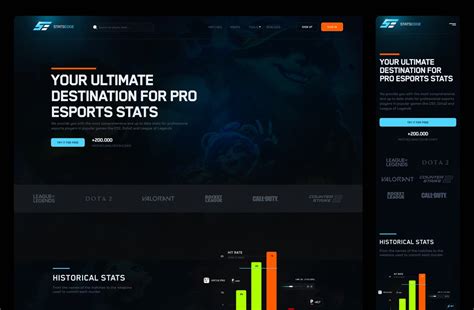
Modern esports offers a plethora of tools to enhance VOD review. From in-game replay systems to dedicated analytics platforms (like Shadow.gg, Insights.gg, or custom solutions), these tools provide features such as multi-POV viewing, data overlays, drawing capabilities, and collaborative annotation. Selecting the right tools can significantly improve the efficiency and depth of analysis.
Best Practices for Continuous Improvement
- Consistency is Key: Regular VOD reviews, even short ones, are more effective than sporadic, lengthy sessions.
- Create a Safe Space: Foster an environment where players feel comfortable admitting mistakes and receiving constructive criticism without fear of judgment.
- Tailor to the Game: Different esports titles have varying needs. A VOD review for an FPS will differ from an MOBA or an RTS.
- Integrate with Scrims and Practice: Apply VOD insights directly into practice drills and scrimmage sessions to reinforce learning.
- Coach Development: Coaches themselves should continuously refine their VOD review methodologies, learning from industry best practices.

Conclusion: The Blueprint for Sustained Excellence
An optimal VOD review method for esports team improvement is not a one-size-fits-all solution but a dynamic, structured process built on clear objectives, active engagement, multi-layered analysis, and a commitment to actionable follow-up. By moving beyond superficial viewing and embracing a disciplined, analytical approach, esports teams can transform their past performances into a powerful blueprint for sustained excellence, turning every match, win or loss, into a valuable learning opportunity.


