Optimize gaming guide structure for SEO & mobile UX, balancing detail & speed?

Creating effective gaming guides in today’s fast-paced digital landscape presents a unique challenge: how do you deliver comprehensive, in-depth information while also ensuring quick access and an excellent user experience across all devices? The answer lies in a meticulously optimized guide structure that caters to both search engine algorithms and the on-the-go needs of mobile gamers, without sacrificing the rich detail players crave.

The Core Challenge: Detail vs. Speed
Gamers often approach guides with two primary intentions: either they need a quick answer to a specific problem (e.g., “how to beat this boss stage”) or they seek an exhaustive walkthrough to master every aspect of a game. Catering to both simultaneously can feel like a tightrope walk. Too much text up front, and quick-search users bounce. Too little detail, and dedicated players feel underserved. The key is to design a structure that allows for progressive disclosure of information, enabling users to delve as deep as they wish without being overwhelmed initially.
Structuring for SEO: Visibility is Key
For your gaming guides to be found, they must be optimized for search engines. This begins with thorough keyword research, identifying the terms players use to find help. Integrate these keywords naturally into your guide’s title, headings (H2, H3, H4), introductory paragraphs, and body content. A logical hierarchy of headings not only improves readability but also signals to search engines the importance and organization of your content. Implementing schema markup, such as FAQ schema or HowTo schema, can further enhance your guide’s visibility and potentially earn rich snippets in search results. Don’t forget internal linking, guiding users and search bots to related content within your site, boosting overall site authority.

Enhancing Mobile UX: On-the-Go Access
A significant portion of gamers access guides on their mobile devices, often while playing. This makes mobile user experience paramount. Ensure your guide is built with a responsive design, adapting seamlessly to various screen sizes. Employ concise paragraphs, bullet points, and numbered lists to break up text and improve scannability. Consider using accordions or collapsible sections for detailed information, allowing users to expand only what they need. Implement a clear, sticky table of contents or quick links for easy navigation. Optimizing images and other media for fast load times is also critical; slow pages are a major deterrent for mobile users.
Actionable Strategies for Balance
Achieving the perfect equilibrium requires a blend of structural and content-delivery techniques:
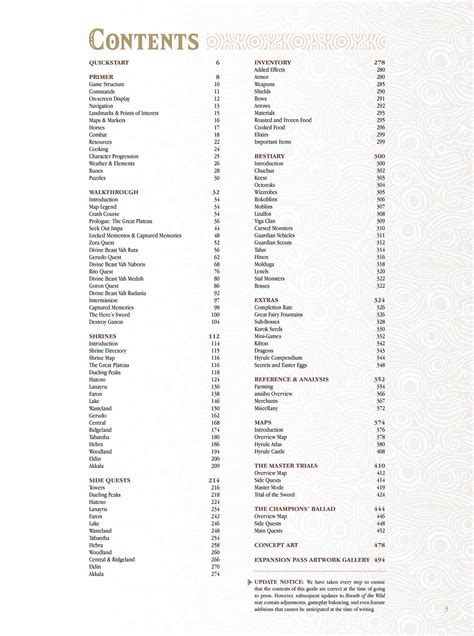
- Prominent Table of Contents (TOC): Place a navigable TOC at the top of long guides, allowing users to jump to specific sections.
- “Quick Start” or “TL;DR” Sections: For common queries, provide a brief, actionable summary right at the beginning.
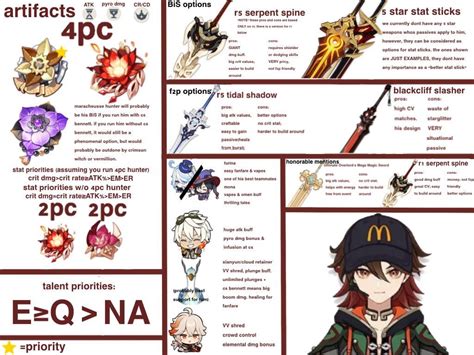
- Layered Information: Start with essential steps or answers, then provide detailed explanations, tips, and alternative strategies in subsequent paragraphs or sub-sections.
- Visual Aids: Integrate screenshots, maps, flowcharts, and short video clips. These can convey complex information far more efficiently than text, especially on mobile.
- Interactive Elements: Consider searchable elements, filters for specific items or quests, or even embedded calculators for game mechanics.
- Performance Optimization: Beyond responsive design, ensure your hosting, image compression, and code are optimized for rapid page loading.
Conclusion: The Blueprint for Success
Optimizing the structure of your gaming guides isn’t merely about ticking boxes for SEO or mobile design; it’s about crafting an intuitive, valuable resource that truly serves its audience. By thoughtfully balancing comprehensive detail with quick, scannable content, and by leveraging robust SEO practices alongside a mobile-first UX approach, you create guides that not only rank higher but also genuinely enhance the gaming experience for millions of players. This strategic approach ensures your guides remain a go-to resource, fostering engagement and loyalty in the competitive world of gaming content.