Optimize gaming news alerts: what’s the ideal frequency for critical game patch updates?

Navigating the Deluge: Finding Your Ideal Gaming Alert Sweet Spot
In the fast-evolving world of video games, staying informed about the latest developments is crucial. From bug fixes and balance changes to new content drops and security patches, game updates can significantly impact your gameplay experience. However, in an era of constant connectivity, the sheer volume of notifications can quickly lead to alert fatigue, making it challenging to distinguish critical information from noise. The burning question for every dedicated gamer and game developer alike is: what is the ideal frequency for critical game patch updates, ensuring players are informed without being overwhelmed?
Why Critical Patch Updates Are Non-Negotiable
Critical game patch updates aren’t just minor tweaks; they often address fundamental issues that can make or break a game. These can include game-breaking bugs, severe exploits, security vulnerabilities, or significant balance adjustments that drastically alter competitive play. Missing such an update can lead to frustration, unfair gameplay, or even a compromised system.
For multiplayer games, especially competitive titles, a new patch can instantly shift the meta, rendering previous strategies obsolete. Players who are unaware of these changes might find themselves at a severe disadvantage, leading to a less enjoyable or even frustrating experience. Therefore, timely delivery of these critical updates is paramount for maintaining a healthy and engaging game environment.
The Double-Edged Sword of Notifications
While staying informed is vital, the method and frequency of information delivery can be a double-edged sword. On one hand, immediate alerts for critical patches ensure players can adapt quickly. On the other hand, a constant barrage of notifications for every minor hotfix or cosmetic update can desensitize players, causing them to ignore all alerts – even the truly important ones. This ‘cry wolf’ scenario undermines the very purpose of an alert system.
Notification fatigue isn’t just an annoyance; it can lead to players missing vital information, feeling disconnected from the game community, and ultimately, disengaging from the game itself. The goal, then, is to create a system that intelligently filters and prioritizes, delivering the right information at the right time.
Factors Determining Optimal Frequency
There’s no one-size-fits-all answer to the ideal alert frequency, as it largely depends on several factors:
- Game Type: Competitive esports titles (e.g., MOBAs, FPS) might warrant more frequent, immediate alerts for balance changes, while single-player narrative games might only need alerts for major content drops or critical bug fixes.
- Patch Significance: Is it a game-breaking bug fix, a major security vulnerability, a significant meta-changing balance update, or a minor cosmetic addition? The more impactful the patch, the higher the urgency for notification.
- Player Engagement: Casual players might prefer less frequent, consolidated updates (e.g., weekly digests), whereas highly engaged, competitive players might opt for immediate alerts on critical changes.
- Platform: PC games often have seamless background updates, making alerts less disruptive, while console games might require manual downloads, prompting a more noticeable notification.

Proposed Strategies for Alert Management
To optimize gaming news alerts, a multi-tiered approach is often most effective:
- Immediate Alerts for Critical Patches: For security vulnerabilities, game-breaking exploits, or server-wide critical issues, an immediate, prominent alert (e.g., push notification, in-game message on login, email) is justified. These are non-negotiable updates affecting all players.
- Daily Digests for Significant Updates: For major balance changes, new features, or significant bug fixes that aren’t immediately game-breaking, a daily consolidated digest could be ideal. This allows players to catch up without constant interruptions.
- Weekly/Bi-Weekly Summaries for Minor Updates: Cosmetic additions, minor bug fixes, or community events can be bundled into a less frequent newsletter or in-game news feed.
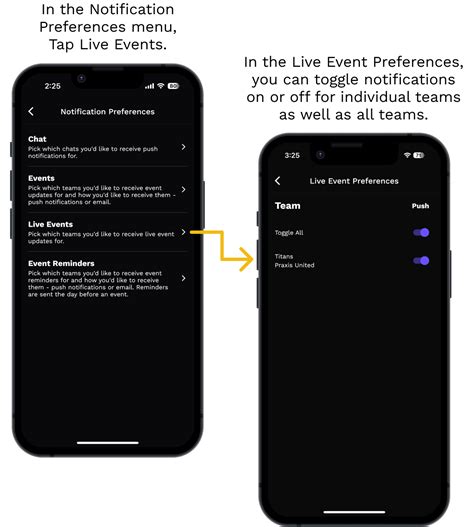
- User Customization: Empowering players to set their own notification preferences is key. Options should include granular control over types of updates (critical, balance, content, cosmetic), preferred channels (email, push, in-game), and frequency.
Tools and Channels for Smarter Alerts
Game developers and platforms can leverage various tools to deliver optimized alerts:
- Official Game Launchers/Clients: Most PC platforms (Steam, Epic Games, Battle.net) and console interfaces provide built-in news feeds and update notifications. These should be the primary channel for critical alerts.
- Dedicated Game News Websites & Forums: For in-depth patch notes and discussions, official community platforms are invaluable.
- Social Media & Discord Servers: These platforms offer real-time updates and community engagement. Developers can utilize specific channels for different types of updates.
- Email Newsletters: A less intrusive option for weekly summaries or major announcements.
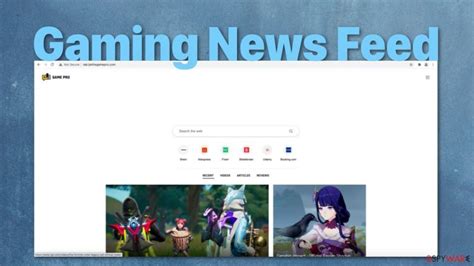
- Third-Party Aggregators: Websites and apps that consolidate news from various games can be useful for players managing multiple titles, though official channels should always be prioritized for critical information.

Conclusion: Tailoring Your Information Flow
The ideal frequency for critical game patch updates is a delicate balance between urgency and player experience. While immediate alerts are crucial for truly game-altering issues, a more nuanced, tiered approach for less critical updates, coupled with robust player customization options, provides the best solution. By respecting player attention and offering intelligent information delivery, developers can ensure their community remains informed, engaged, and free from the dreaded notification fatigue, ultimately fostering a healthier and more enjoyable gaming ecosystem.