Optimize team comms for clutch competitive esports moments?

In the high-stakes world of competitive esports, where milliseconds can dictate victory or defeat, the synergy between teammates is paramount. At the heart of this synergy lies effective communication, particularly during those ‘clutch’ moments when pressure is immense and precision is non-negotiable. Optimizing these interactions can be the deciding factor between a glorious win and a heartbreaking loss.
The Lifeline of Victory: Why Comms Matter in Clutch Moments
During critical esports situations – be it a decisive team fight, a tense defuse, or a last-ditch objective push – communication transcends mere information sharing; it becomes the direct pipeline for strategic execution. Poor comms can lead to misplays, missed opportunities, and internal frustration, unraveling even the most well-thought-out game plans. Conversely, clear, concise, and timely communication empowers teams to react instantly, coordinate complex maneuvers, and maintain composure under duress.
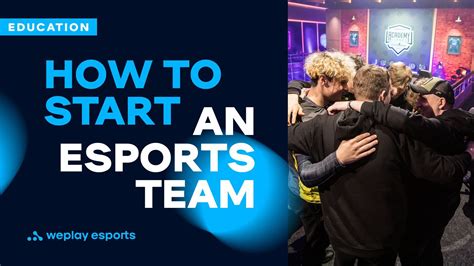
Pillars of Pristine Communication
To truly optimize team comms, several foundational principles must be mastered:
- Clarity and Conciseness: Avoid jargon, unnecessary words, or ambiguous phrases. Information should be delivered as succinctly as possible, allowing teammates to process it quickly without distraction. For instance, instead of “I think there might be someone behind the big box, maybe on the left side,” a precise callout like “Enemy, behind red container, left side” is far more effective.
- Timeliness: Information is only valuable if it’s delivered at the right moment. Callouts should be made when relevant, neither too early (risk of being forgotten or outdated) nor too late (missed opportunity).
- Active Listening: Communication is a two-way street. Teammates must actively listen to incoming information, acknowledge it, and be prepared to act upon it. Ignoring comms is as detrimental as poor comms.
- Calm Demeanor: Especially in clutch situations, maintaining a calm and controlled tone helps prevent panic and allows for clearer thought processes, even if the situation itself is chaotic.
Decoding Different Communication Types
Effective comms aren’t monolithic; they encompass various types, each serving a distinct purpose in competitive play:
- Shot-calling: The overarching strategic direction, often from the in-game leader (IGL), guiding the team’s movements, objectives, and overall plan.
- Information Comms: Raw data about enemy positions, abilities used, cooldowns, resources, and map status. This is the lifeblood of tactical play.
- Emotional & Motivational Comms: Calls for encouragement, praise for good plays, and calming words during moments of high stress. Maintaining team morale can be crucial for comeback potential.
- Target Focus: Directing the team’s attention and fire onto a specific enemy or objective, ensuring concentrated effort.
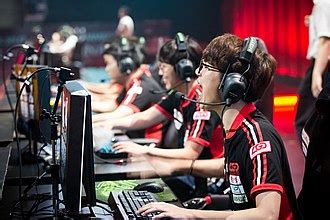
Training Your Voice: Practice Makes Perfect
Optimizing comms isn’t just about understanding the principles; it’s about rigorous practice:
- Dedicated Comms Drills: Practice specific scenarios with a focus solely on communication. Record and review these sessions.
- VOD Review with Comms Focus: Re-watch gameplay with team comms enabled. Analyze what went well, what went wrong, and where comms could have been improved. Identify patterns of miscommunication.
- Establishing a Common Lexicon: Develop a team-specific vocabulary for callouts, ensuring everyone understands exactly what’s being referred to. This eliminates ambiguity in fast-paced scenarios.
- Role-Specific Comms: Train players to understand their unique communication responsibilities based on their in-game role (e.g., support players giving cooldowns, entry fraggers giving initial enemy locations).

Tech and Tactics: Enhancing the Communication Pipeline
While human skill is primary, technology and strategic comms management also play a role:
- Reliable Hardware: Quality headsets with clear microphones and effective noise cancellation are non-negotiable. Ambient noise or poor mic quality can severely degrade comms.
- Strategic Silence: Knowing when *not* to talk is as important as knowing when to talk. During clutch moments, unnecessary chatter can be distracting and drown out critical information.
- Push-to-Talk vs. Open Mic: Most competitive teams opt for push-to-talk to prevent background noise and allow for controlled comms flow, especially when individual players need to concentrate.

Navigating the Storm: Overcoming Communication Barriers
Even with practice, barriers can emerge. Teams must actively work to overcome them:
- Pressure and Stress: Acknowledge that intense pressure can affect comms. Practice stress inoculation techniques and encourage players to maintain their composure.
- Misinterpretations: Regularly review instances where comms led to misunderstanding and adapt. Building trust and a shared mental model of the game helps mitigate this.
- Personality Clashes: Different communication styles exist. Fostering an environment of respect and understanding can help teammates adapt to each other’s ways of communicating.
Ultimately, optimizing team communication in competitive esports is a continuous process of refinement, practice, and mutual understanding. It’s not just about what you say, but how you say it, when you say it, and how effectively your teammates process it. By prioritizing clear, concise, and timely comms, teams can unlock their full potential, turn the tide in critical moments, and consistently achieve victory in the electrifying world of competitive gaming.