Optimize Windows 11 for max gaming FPS and low input latency: how?
Windows 11 brings a sleek interface and some under-the-hood improvements, but out-of-the-box, it’s not always configured for peak gaming performance. To squeeze every last frame per second (FPS) and reduce input latency, a few tweaks are necessary. This guide will walk you through the most impactful settings to transform your Windows 11 machine into a gaming powerhouse.
Essential Windows Settings for Gamers
The foundation of a smooth gaming experience starts with optimizing core Windows functionalities. These settings are crucial for prioritizing game performance.
Activate Game Mode
Game Mode is a built-in feature designed to improve your gaming experience by giving your game priority access to your CPU and GPU resources. It also prevents Windows Update from installing drivers and sending restart notifications during gameplay.
To enable it: Go to Settings > Gaming > Game Mode and toggle it On.
Enable Hardware-accelerated GPU scheduling
This feature allows your GPU to manage its own video memory, which can reduce latency and improve performance in some games. It’s particularly beneficial for systems with modern GPUs.
To enable it: Go to Settings > System > Display > Graphics > Change default graphics settings and toggle Hardware-accelerated GPU scheduling to On. You’ll need to restart your PC for changes to take effect.
Adjust Power Plan to Ultimate Performance
The ‘Ultimate Performance’ power plan ensures your hardware is always running at its peak, rather than trying to conserve energy. This is vital for consistent high FPS, though it will consume more power.
To access it: Search for ‘Edit power plan’ and then click ‘Power Options’ > ‘Show additional plans’. If ‘Ultimate Performance’ isn’t visible, you might need to enable it via Command Prompt (Admin) with the command: powercfg -duplicatescheme e9a42b02-d5df-448d-aa00-03f500000000, then refresh the power options window.
![A história do Windows e suas mais diversas versões [vídeo] - TecMundo](/images/aHR0cHM6Ly90czEubW0uYmluZy5uZXQvdGg/aWQ9T0lQLmdTeTBrWUVvRHpqUkZlWEFvTVBwSWdIYUU4JnBpZD0xNS4x.webp)
Disable Background Apps and Notifications
Background processes and constant notifications can consume valuable CPU cycles and memory. Minimize these distractions and resource drains.
- Background Apps: Go to Settings > Apps > Installed apps. Click the three dots next to apps you don’t need running in the background, select ‘Advanced options’, and set ‘Let this app run in background’ to ‘Never’.
- Notifications: Go to Settings > System > Notifications and toggle off notifications for apps you don’t need to hear from. Consider using ‘Focus Assist’ (accessible from the Action Center) to suppress notifications during gaming sessions.
Graphics Drivers and Display Optimization
Your graphics card is the heart of your gaming rig. Keeping its drivers up-to-date and configuring its settings correctly is paramount.
Keep GPU Drivers Updated
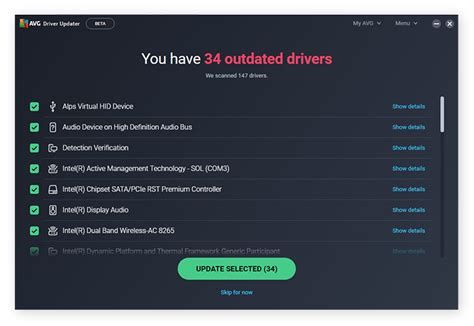
Always use the latest stable drivers from NVIDIA, AMD, or Intel. These updates often include significant performance enhancements and bug fixes for new games.
Download directly from the manufacturer’s website or use their dedicated software (e.g., GeForce Experience, AMD Adrenalin Software).
Configure NVIDIA/AMD Control Panel Settings
Dive into your GPU’s control panel for more granular control:
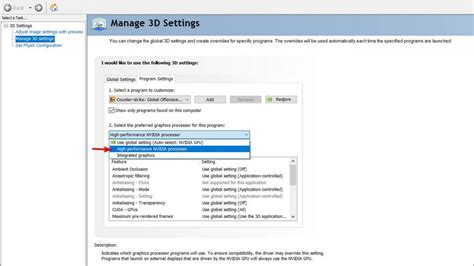
- Image Settings: Set ‘Adjust image settings with preview’ to ‘Use the advanced 3D image settings’.
- Manage 3D Settings:
- Low Latency Mode (NVIDIA): Set to ‘Ultra’ for minimal input lag.
- Power Management Mode (NVIDIA): Set to ‘Prefer maximum performance’.
- Texture Filtering – Quality: Set to ‘High performance’.
- Vertical Sync: Set to ‘Off’ (unless you have screen tearing and prefer it).
- Anti-aliasing: Let the application decide or turn it off for maximum FPS.
Set Display Refresh Rate and Enable VRR
Ensure your monitor is running at its maximum refresh rate and, if supported, enable Variable Refresh Rate (VRR) technologies like G-Sync or FreeSync.
To check refresh rate: Go to Settings > System > Display > Advanced display. Choose your monitor and select the highest available refresh rate. Enable G-Sync/FreeSync from your GPU’s control panel and monitor settings.
Streamlining Your System
A lean, mean system runs faster. Remove unnecessary baggage to free up resources.
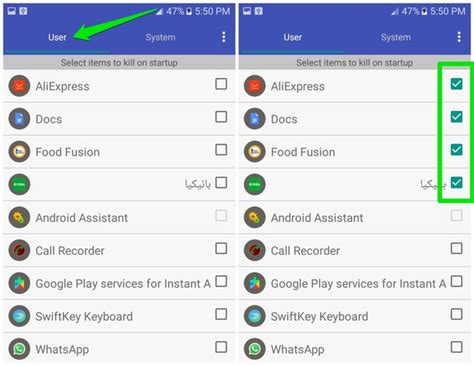
Disable Unnecessary Startup Programs
Many applications launch with Windows, silently consuming resources. Disable those you don’t need immediately.
To do this: Press Ctrl + Shift + Esc to open Task Manager, go to the ‘Startup apps’ tab, and disable any non-essential programs.
Uninstall Bloatware and Unused Apps
Regularly review your installed applications and uninstall anything you don’t use. This frees up disk space and reduces potential background processes.
Go to Settings > Apps > Installed apps to manage them.
Perform Disk Cleanup and Defragmentation
Remove temporary files and optimize your storage.
- Disk Cleanup: Search for ‘Disk Cleanup’ in the Start menu, select your main drive (usually C:), and choose files to delete (Temporary files, Recycle Bin, etc.).
- Defragmentation (for HDDs): If you use an HDD, defragmentation can improve file access times. Search for ‘Defragment and Optimize Drives’. SSDs do not require defragmentation; Windows automatically optimizes them.
Advanced Tweaks for Peak Performance
These deeper system changes can offer additional gains, but exercise caution.
Disable Virtualization-Based Security (VBS)
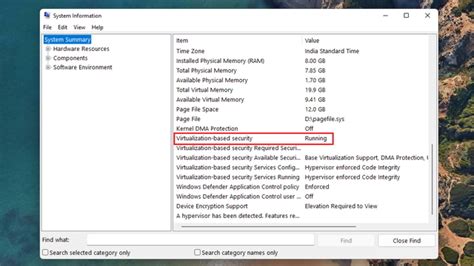
VBS, including features like Memory Integrity, can sometimes impact gaming performance by isolating and securing parts of the operating system. While it enhances security, it can introduce overhead.
To check/disable: Go to Windows Security > Device security > Core isolation details. Turn off ‘Memory integrity’. Note: This may reduce your system’s security posture.
Disable Mouse Acceleration (Enhance Pointer Precision)
For competitive gaming, precise 1:1 mouse movement is crucial. Mouse acceleration (Windows’ ‘Enhance Pointer Precision’) makes your cursor move further the faster you move your mouse, leading to inconsistent aiming.
To disable: Go to Settings > Bluetooth & devices > Mouse > Additional mouse settings. In the ‘Pointer Options’ tab, uncheck ‘Enhance pointer precision’.
Network Optimization
Ensure your network drivers are up to date. For competitive online gaming, a wired (Ethernet) connection is always superior to Wi-Fi for lower latency and stability.
You can also try disabling ‘QoS Packet Scheduler’ in your network adapter properties (via ‘Network and Sharing Center’ > ‘Change adapter settings’ > right-click your active adapter > ‘Properties’). Some gamers report minor latency improvements, but results vary.
Regular Maintenance for Sustained Performance
Optimization isn’t a one-time task. Regular check-ups ensure your system remains in top form.
- Monitor Temperatures: Overheating components can throttle performance. Use monitoring software (e.g., HWMonitor, MSI Afterburner) to keep an eye on CPU and GPU temperatures.
- Keep Drivers Updated: Make it a habit to check for new GPU, chipset, and other relevant driver updates.
- Clean Your PC: Physically clean dust from your components and fans to maintain optimal cooling.
Conclusion
By systematically applying these optimizations, you can significantly enhance your Windows 11 gaming experience, achieving higher FPS and more responsive controls. Remember that some tweaks, especially advanced ones, might have varying impacts depending on your specific hardware and games. Always test changes thoroughly and revert them if they cause instability or diminish performance. Happy gaming!