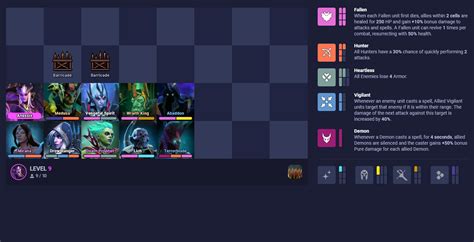
Optimizing early game builds for quick power spikes in current meta?

The Criticality of Early Game Dominance
In the ever-evolving landscape of competitive gaming, the early game often dictates the pace and outcome of an entire match. Achieving quick power spikes—moments where your build or character significantly outperforms opponents—is not just an advantage; it’s a fundamental strategy for consistent victory. The current meta across many titles increasingly favors proactive play and snowballing leads, making early game optimization more crucial than ever before.
Understanding how to efficiently reach these power spikes involves a delicate balance of resource management, strategic itemization, and character selection. This guide delves into the core principles and actionable strategies to ensure your early game builds set you up for success.

Deconstructing the Current Meta’s Early Game Focus
What defines the “current meta” is often a culmination of patches, community discoveries, and professional play trends. A common thread in recent metas across MOBAs and similar competitive games is the emphasis on efficient early game trading and securing objectives. This means that champions or builds that come online quickly, even if they fall off later, can exert immense pressure, creating openings for their team. Factors like reduced objective timers, increased early game damage numbers, or specific strong starting items can all contribute to this accelerated pace.
Ignoring the early game is no longer a viable strategy; instead, players must adapt by identifying cost-effective item paths and playstyles that maximize their impact before the mid-game even begins.
Core Principles for Rapid Power Spikes
1. Efficient Resource Acquisition
Every piece of gold, every experience point, and every last hit matters. Optimizing your farming patterns, securing early kills, and successfully completing objectives (like jungle camps or minor neutral objectives) directly translates into faster item completion. Prioritize consistent income generation over risky plays that might set you back.
2. Strategic Itemization for Components
A true early game power spike often comes from completing key component items rather than waiting for full, expensive items. Identify which smaller items offer the most impactful stats for their cost on your chosen character. Sometimes, two cheap components provide more immediate utility than hoarding gold for a single, larger piece. Understanding these breakpoints is paramount.
3. Champion/Hero Selection
Some characters are inherently stronger in the early game. These often possess high base damages, strong crowd control, or excellent sustain that allows them to win early skirmishes. Picking a character aligned with your goal of early dominance is a foundational step. However, even late-game scaling champions can be optimized for early spikes with the right build path.
4. Proactive and Aggressive Play
Once you’ve identified your early power spike window (e.g., after completing a specific item or hitting a certain level), you must capitalize on it. This often means adopting a more aggressive playstyle: looking for trades, forcing engagements, and pressuring objectives. Don’t let your temporary advantage go to waste by playing passively.
Common Early Game Build Philosophies
While specific items vary wildly between games, the underlying philosophy remains consistent:
- The “Cheap & Potent” Rush: Focus on acquiring a single, highly cost-efficient item that provides a massive boost to your primary stats (e.g., a specific damage item, a utility item with a strong active/passive).
- Attribute Advantage Stacking: Accumulate smaller items that provide significant amounts of a crucial attribute (e.g., Attack Damage, Ability Power, Cooldown Reduction, Movement Speed) early on to gain an edge in duels.
- Sustain vs. Damage Trade-off: Decide whether early sustain (HP regen, mana regen, lifesteal) or raw damage is more beneficial for your specific matchup. Often, a small amount of sustain allows for prolonged pressure, leading to more opportunities for damage.

Adapting and Capitalizing on Your Spike
No build is static. Always be prepared to adapt your item path based on the enemy composition and their early game aggression. If opponents are stacking defensive stats against your damage, consider an early penetration item. If you’re constantly being engaged, a defensive component might be more beneficial before your main damage item.
Once you hit your power spike, the goal is to translate that advantage into tangible gains for your team. This could mean securing a key objective, initiating a favorable team fight, or simply pushing your lane relentlessly to deny enemy resources. Communication with your team is vital here; let them know when you’re strong and ready to make a play.

Conclusion: Master the Early Game, Master the Match
Optimizing early game builds for quick power spikes is a skill that separates good players from great ones in the current competitive meta. By understanding the principles of efficient resource acquisition, strategic component itemization, wise character selection, and aggressive play, you can consistently gain an early advantage. Remember to adapt your strategy, communicate with your team, and always capitalize on your temporary strength to snowball into victory. The early game is your foundation; build it strong, and the rest will follow.