Optimizing Esports Practice: What’s the best daily routine for skill growth?

The Science Behind Effective Esports Practice
For aspiring professional esports players, raw talent is just one piece of the puzzle. Consistent, intelligent practice is what truly separates the contenders from the champions. But what does an ‘optimal’ daily routine look like? It’s more than just logging hours; it’s about structuring your time to target specific areas of improvement, prevent burnout, and foster sustainable growth.
Developing a robust practice regimen means balancing mechanical skill development, strategic understanding, mental fortitude, and physical well-being. This article will break down the components of an ideal daily routine designed for significant skill advancement in any competitive title.
Morning: Warm-up and Mechanical Drills
Phase 1: Physical & Mental Warm-up (15-30 minutes)
- Light Physical Activity: Start with a brief stretch routine or some light cardio to get the blood flowing. This helps improve circulation, reduce stiffness, and prepare your body for extended periods of sitting.
- Brain Activation Exercises: Engage in mental warm-ups such as puzzles or quick reaction-time games to sharpen focus and cognitive processing before diving into intense gaming.
Phase 2: Targeted Mechanical Drills (60-90 minutes)
This is where muscle memory and fine motor skills are honed. Depending on your game, this could include:
- Aim Training: For FPS games, dedicated aim trainers (e.g., Kovaak’s, Aim Lab) are invaluable. Focus on specific scenarios like flick shots, tracking, or reaction time.
- Combo Practice: For fighting games or MOBAs, repeatedly practicing complex spell rotations, combo executions, or intricate movement patterns.
- Movement Drills: Mastering game-specific movement mechanics, juking, or dodging skills.
The key here is deliberate practice: focusing intently on one specific aspect, analyzing mistakes, and making immediate adjustments.
Afternoon: Strategic Development & Application
Phase 3: VOD Review & Analysis (60-120 minutes)
One of the most underutilized yet crucial aspects of competitive play is VOD (Video On Demand) review. This involves analyzing your own gameplay footage or that of professional players.
- Self-Review: Identify mistakes in positioning, decision-making, resource management, or communication. Ask ‘why’ a play went wrong and ‘how’ it could be improved.
- Pro-Player Analysis: Study how top players approach situations, their macro strategies, micro mechanics, and itemization/ability usage. Compare their plays to your own.
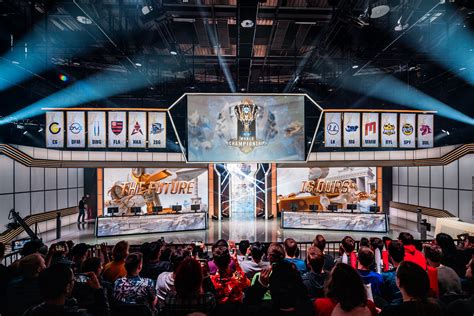
Phase 4: Scrims or High-Level Ranked Play (3-4 hours)
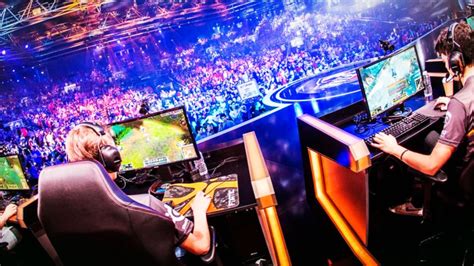
This is where you apply what you’ve learned. Playing in a competitive environment is essential for translating drills and theory into practical execution.
- Team Scrims: If part of a team, scrimmages are paramount. Focus on communication, team synergy, executing strategies, and adapting to opponent’s tactics.
- High-Ranked Solo Queue: For individual players or when team scrims aren’t available, playing against skilled opponents in ranked mode offers a challenging environment to test your limits. Focus on your individual performance, decision-making, and maintaining a positive mental attitude.
Remember to debrief after scrims, discussing what went well and what needs improvement as a team.
Evening: Health, Education & Downtime
Phase 5: Physical Health & Nutrition (60 minutes)
Esports demands physical endurance, especially for your eyes, hands, and back. Incorporate:
- Exercise: A proper workout session (cardio, strength training) not only improves physical health but also mental clarity and reduces stress.
- Balanced Meals: Fuel your body and brain with nutritious food. Avoid excessive sugar and highly processed items that can lead to energy crashes.
Phase 6: Game Knowledge & Meta Research (30-60 minutes)
The meta in esports is constantly shifting. Stay ahead by:
- Patch Note Analysis: Understand changes to heroes/champions, items, and maps.
- Pro Scene Study: Watch recent professional tournaments to see emerging strategies and pick/ban trends.
- Theorycrafting: Experiment with new builds, strategies, or character pairings.
Phase 7: Cool-down & Mental Reset (30-60 minutes)
Before bed, it’s crucial to decompress and allow your brain to process the day’s learning.
- Relaxation: Engage in non-gaming activities like reading, listening to music, meditation, or spending time with family/friends.
- Sleep Hygiene: Ensure a consistent sleep schedule and a dark, quiet environment for quality rest. Adequate sleep is vital for memory consolidation and cognitive function.

Consistency is Key
An optimal daily routine isn’t about perfection every single day, but about consistency and adaptability. Life happens, and routines need to be flexible. The most important takeaway is to be deliberate with your practice time, ensuring every hour contributes meaningfully to your growth. Track your progress, identify your weaknesses, and constantly refine your routine to become the best esports athlete you can be.