





Players skip long guides. How can we make walkthroughs scannable for quick answers?
The Modern Player’s Dilemma
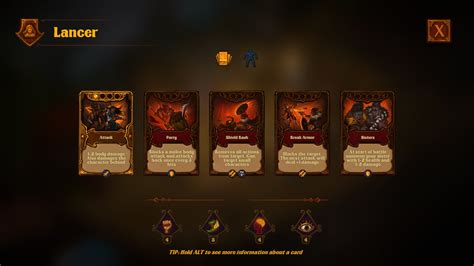
In the fast-paced world of gaming, players are increasingly short on time and patience. When encountering a challenging boss, a perplexing puzzle, or a confusing quest objective, their primary goal isn’t to read a novel-length exposition on game lore; it’s to find a swift and clear solution. Traditional long-form guides, while comprehensive, often become barriers to progress rather than helpful aids, leading players to skip entire sections or abandon the guide altogether.
Why Players Skip the Long Reads
Several factors contribute to players’ disinterest in lengthy guides. Firstly, there’s the urgency factor: when stuck, frustration mounts quickly, and players need immediate gratification. Sifting through paragraphs of narrative or tangential information only adds to the stress. Secondly, information overload is a significant issue. A guide packed with dense text makes it difficult to pinpoint the exact piece of information needed. Finally, the prevalence of mobile gaming means many players access guides on smaller screens, where long blocks of text are inherently difficult to consume.
Strategies for Scannable Walkthroughs
Creating highly effective, scannable walkthroughs involves a strategic shift in how information is presented. The goal is to make key answers jump off the page, allowing players to quickly locate what they need and get back to the game.

Master the Art of Headings and Subheadings
Your guide’s structure is its backbone. Use clear, descriptive <h2> tags for major game sections (e.g., “Chapter 5: The Shadow Citadel”) and <h3> or <h4> tags for specific objectives, puzzles, or boss encounters (e.g., “Defeating the Frost Giant,” “Solving the Gear Puzzle,” “Finding All Collectibles in Sector 7”). These act as navigational anchors for the player’s eyes.
Embrace Bullet Points and Numbered Lists
Complex processes, item lists, or sequential steps are best conveyed through lists. Bullet points (<ul>) are ideal for multiple options or features, while numbered lists (<ol>) are perfect for step-by-step instructions. Break down intricate solutions into manageable, digestible pieces.
Bold Key Information
Strategically use <strong> tags to highlight crucial details like item names, enemy weaknesses, dialogue choices, critical timings, or specific locations. This allows players to skim and immediately identify the most important words without reading every sentence.
Prioritize Conciseness and Direct Language
Get straight to the point. Eliminate filler words, unnecessary anecdotes, and overly descriptive prose when providing solutions. Players want to know what to do, not necessarily the elaborate lore behind it. Aim for clarity and brevity in your explanations.
Integrate Visual Aids
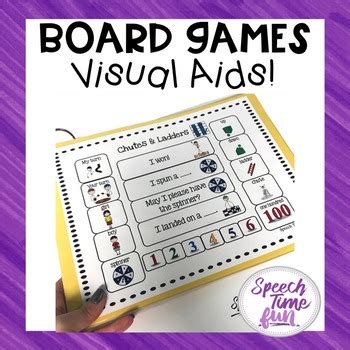
A picture is worth a thousand words, especially in game guides. Screenshots, diagrams, or short GIF-like videos can instantly convey information that would take paragraphs to explain. Show the player where to go, what button to press, or how a puzzle mechanism looks when correctly assembled. Visuals are paramount for immediate understanding.
Implement Navigation Tools
For longer guides, consider adding an in-page Table of Contents with jump links (anchors) at the beginning. This allows players to skip directly to the relevant section without scrolling endlessly. Some platforms also offer search functionalities that can be leveraged.
Practical Tips for Guide Writers
When crafting your next walkthrough, put yourself in the player’s shoes. Imagine you’re stuck and frustrated, needing an answer fast. Write with that urgency in mind. Test your guides for scannability by having someone who hasn’t seen it try to find a specific answer within seconds. Regularly update your guides to ensure accuracy with game patches and changes.
The Future of Game Guides
The evolution of game guides is intrinsically linked to the changing habits of players. By focusing on scannability, directness, and visual support, guide creators can significantly enhance the player experience, providing genuinely helpful resources that meet the demands of modern gaming. Moving away from monolithic text blocks towards dynamic, easily navigable, and visually rich solutions ensures guides remain an invaluable tool for the gaming community.



