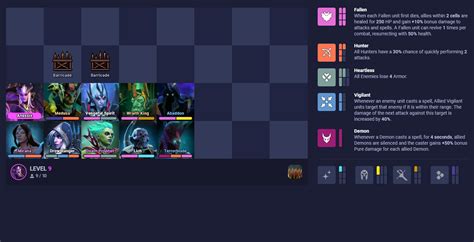
Post-patch, how do I efficiently pivot my build to stay meta-relevant?

Understanding the Patch Landscape
Game patches are an inevitable and often exciting part of any live service game. They introduce new content, fix bugs, and, most importantly for competitive players, rebalance existing mechanics. While these changes keep the game fresh, they can also render a finely-tuned build obsolete overnight. The key to staying ahead isn’t just knowing what the new meta is, but understanding how to pivot your existing build efficiently to embrace it.
Decoding Patch Notes and Identifying Shifts
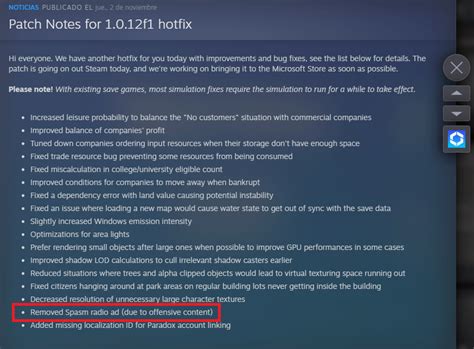
The first step in any post-patch build pivot is a thorough review of the patch notes. Don’t just skim for direct nerfs to your favorite ability; look for buffs to underperforming skills, changes to itemization, and adjustments to core game mechanics. These seemingly minor alterations can have ripple effects that drastically shift the meta.
- Direct Impacts: Identify nerfs or buffs to your current build’s core skills, items, or talents.
- Indirect Impacts: Look for changes to other classes/characters that might make them stronger or weaker against your build, or shifts in environmental mechanics.
- New Additions: Assess if new items, abilities, or game modes create novel build opportunities.
Assessing Your Current Build’s Viability
Once you understand the patch, honestly evaluate your current build. Is its core concept fundamentally broken by the changes, or does it just need tweaks? A build relying on a now-nerfed cornerstone ability might require a complete overhaul, whereas a build affected by a minor item adjustment might only need one or two gear swaps.
Strategies for Efficient Build Pivoting
Efficiency is paramount. You want to adapt quickly without wasting valuable in-game resources or time. Here are key strategies:
1. Incremental Adjustments vs. Full Overhauls
Start with the smallest possible changes. Can a single talent point shift restore some of your lost power? Does swapping one item slot make a significant difference? If minor tweaks aren’t enough, then consider a more substantial pivot. A full build overhaul should be a last resort, as it’s typically the most resource-intensive.
2. Resource-Conscious Decision Making
Every game has its own economy of resources – be it gold, crafting materials, specific upgrade tokens, or even just time spent grinding. Before committing to a new build, calculate the cost. Can you afford the new gear? Will respecing talents cost too much? Prioritize changes that offer the highest power increase for the lowest resource investment.
3. Leverage Community and Theorycrafting
You don’t have to be a pioneer. The gaming community is a vast resource. Check reputable build guides, content creators, and dedicated theorycrafting forums or Discord servers. See what top players are gravitating towards and, more importantly, why. Understanding the underlying mechanics behind the new meta builds will help you adapt them or even create your own variations.
However, exercise critical judgment. Not all community advice is sound. Look for data-driven analysis and explanations rather than anecdotal evidence.

4. Test and Iterate
Don’t jump straight into the most challenging content with an untested build. Try out your modified or new build in lower-stakes environments – casual matches, easy dungeons, or practice modes. Pay attention to how it feels, its strengths, and its weaknesses. Be prepared to make further micro-adjustments based on your empirical testing.

Maintaining Long-Term Meta Relevance
Staying meta-relevant isn’t a one-time fix; it’s an ongoing process. Cultivate a deeper understanding of game mechanics, not just specific builds. Learn about damage formulas, defensive scaling, crowd control interactions, and resource generation. This foundational knowledge will make it easier to predict future meta shifts and adapt your builds proactively, rather than reactively.
Conclusion
Pivoting your build post-patch is a critical skill for any serious gamer. It involves diligent patch note analysis, an honest assessment of your current setup, strategic resource management, and a willingness to learn from the community and iterate on your changes. By approaching build adaptation with a methodical and efficient mindset, you can quickly get back into the game and dominate the ever-evolving meta.