




Post-patch, how do I re-evaluate my carry’s build viability for competitive play?
Competitive gaming thrives on adaptation. Patches, whether minor hotfixes or major overhauls, constantly shake up the foundational elements of the game. For a carry player, understanding and reacting to these changes is paramount to maintaining an edge. A once-dominant build can become obsolete overnight, while previously niche strategies might rise to prominence. So, after a new patch drops, how do you systematically re-evaluate your primary carry’s build viability for the demanding environment of competitive play?
Deciphering the Patch Notes: Beyond the Obvious
The first step is a deep dive into the patch notes, but with a critical eye. It’s not just about what changed for your hero directly; indirect effects are often far more impactful.
Direct Hero & Item Adjustments
Start with your carry hero. Were their base stats tweaked? Did any of their abilities get buffed, nerfed, or reworked? Even minor numerical changes can shift power spikes. Next, examine items. Look at core items your carry typically buys, as well as situational purchases. Did a key item lose a stat, gain an active, or change in cost? Often, an item rebalance can make or break a build’s efficiency.
Indirect Meta Shifts: The Domino Effect
This is where re-evaluation gets complex. Consider changes to other heroes: buffs to common enemy heroes might mean your carry needs more survivability, while nerfs to their counters could open up new opportunities. Support hero changes are especially critical, as their utility and crowd control significantly influence your laning phase and team fight potential. Map changes, neutral objectives, and even minor mechanic adjustments can also alter optimal farming routes, objective timings, and overall game tempo. A seemingly small change to tower armor, for instance, could make early push carries more or less viable.
The Broader Meta: What Are Others Doing?
Competitive play isn’t just about your hero; it’s about the ecosystem. After parsing the patch notes, observe the professional scene and high-tier competitive scrims. What carries are gaining popularity? What build paths are they experimenting with? Early trends can provide valuable insights into the new power dynamics.

Team Compositions and Counter-Picks
A carry’s viability is deeply tied to their team composition. Does your carry fit into the emerging meta’s preferred team archetypes (e.g., early aggression, scaling, split-pushing)? How do popular counter-picks for your hero change after the patch? Understanding these dynamics allows you to adapt your build to better synergize with your allies and mitigate enemy threats.
Practical Steps for Build Re-evaluation
1. Theorycrafting & Itemization Paths
With the patch notes and meta observations in mind, start theorycrafting. Does your carry’s optimal damage profile require a different item order now? Is a new item suddenly cost-efficient or highly synergistic? Consider alternatives for every item slot: core, defensive, utility. Use in-game practice tools or custom lobbies to test damage numbers, survivability, and utility interactions.
2. Skill Order Adjustments & Power Spikes
Sometimes, item changes can subtly influence skill priority. If a new item provides an early mana boost, perhaps an ability that was previously too expensive to max early becomes viable. Re-evaluate your talent tree or ability upgrade path to align with new power spikes and item timings. Does your hero now hit a critical threshold earlier or later than before?
3. Laning Phase & Game Plan
A changed build or meta often dictates a new approach to the game. How does the new build affect your laning phase? Are you stronger or weaker early? How does this impact your farming patterns, objective priority, and mid-to-late game team fight positioning? Your entire game plan might need an overhaul to capitalize on new strengths or compensate for new weaknesses.
Testing, Iteration, and Adaptation
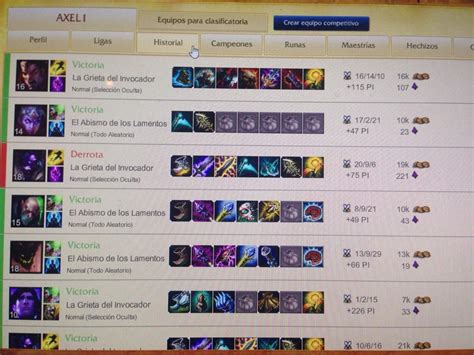
Theorycrafting is just the beginning. The real test comes in practice. Play the new build in a competitive environment, whether scrims with your team or high-level ranked play. Record and review your VODs critically. Did the build perform as expected? Were there unexpected weaknesses? Did opponents counter it effectively?

Competitive play is a dynamic environment. Be prepared to iterate on your build and strategy constantly. The first post-patch build you find might not be the optimal one; it’s a starting point for refinement. Stay updated on professional games and discussions, as the meta continues to evolve even after initial adaptations. Flexibility and a willingness to abandon old habits are your greatest assets.
Conclusion
Re-evaluating a carry’s build viability post-patch is a multi-faceted process. It requires meticulous analysis of patch notes, a keen awareness of broader meta shifts, rigorous theorycrafting, and extensive in-game testing. By approaching this challenge systematically, carry players can ensure they remain at the forefront of competitive play, adapting to every twist and turn the game throws their way.