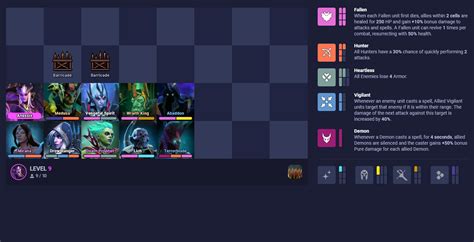
Post-patch meta: How to quickly adjust your main build for optimal performance?

Navigating the Evolving Game Meta
Game patches are a double-edged sword: they bring fresh content and balance changes, but often leave players scrambling to adapt their beloved main builds. The meta shifts, and what was once dominant can quickly become obsolete. For competitive players and dedicated enthusiasts, quickly adjusting your setup isn’t just about winning; it’s about maintaining optimal performance and staying ahead of the curve. This guide will walk you through a streamlined process to efficiently adapt your main build after a significant patch.
Understand the Patch Notes Deeply
Your first and most crucial step is to meticulously read the official patch notes. Don’t just skim; dig into the details. Look for direct changes to your character, class, weapons, abilities, or items. Pay attention to both buffs and nerfs, even minor numerical tweaks can have cascading effects. Also, consider indirect changes: if a counter to your build was heavily nerfed, your build might become stronger by proxy, even without direct buffs.
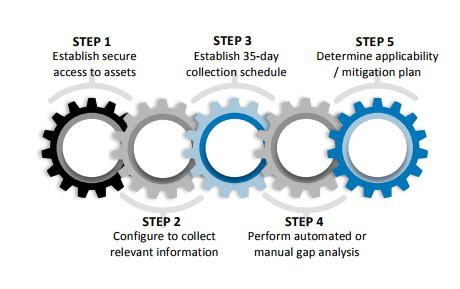
Identify which changes affect your build’s core mechanics, damage output, survivability, or utility. Sometimes, a patch might introduce new items or mechanics that synergize unexpectedly well with existing parts of your build, opening up entirely new possibilities.
Identify Core Meta Shifts and Top Threats
After understanding the direct changes, observe the initial meta reactions. Watch high-level streamers, check community forums, and analyze early data if available. What are other players finding strong? What new builds are emerging as top contenders? Identify the new ‘meta-defining’ elements or the most prevalent threats you’ll face. Your build adjustment isn’t just about fixing your own weaknesses; it’s about optimizing against what the community is playing.
For example, if a specific type of damage is now dominant, you might need to adjust your resistances. If a new crowd-control ability is rampant, building tenacity might become a priority. Understanding the broader shift helps you make informed decisions beyond just your character’s individual changes.
Prioritize and Strategize Adjustments
With an understanding of both the patch notes and the emerging meta, start strategizing your build changes. Begin with the most impactful alterations. Is there a critical item in your build that was nerfed heavily? That’s your first point of adjustment. Was a core ability changed? Re-evaluate its rotation and utility.
- Damage Output: If your primary damage source was weakened, explore alternative items, ability sequences, or even a different talent tree to compensate.
- Survivability: If you’re now dying too quickly, look into defensive item swaps, health/resistance stacking, or defensive ability timings.
- Utility: If your build relied on a specific utility that was removed or diminished, find a new way to provide that value to your team or compensate for its absence.
Don’t be afraid to experiment with drastic changes. Sometimes, a minor tweak isn’t enough; a fundamental re-evaluation of your itemization, skill tree, or playstyle might be necessary.
Test, Refine, and Iterate Quickly
Theorycrafting is important, but nothing replaces practical application. Take your adjusted build into actual gameplay – whether it’s unranked matches, practice modes, or quick play. Pay close attention to how it feels. Are your damage numbers where they need to be? Are you surviving encounters? Does the build flow well with your playstyle?

Be prepared for multiple iterations. Your first adjustment might not be perfect. Gather feedback from your gameplay: what worked, what didn’t, and what felt clunky? Make small, incremental changes based on your testing and repeat the process. The goal is rapid iteration to converge on an optimal setup.
Leverage Community Data and Tools
Many games have robust community resources, fan wikis, and third-party data analysis sites. These can be invaluable for cross-referencing your findings. Look for win rates, pick rates, and popular builds from top players. While you shouldn’t blindly copy, these resources can validate your own theories or highlight overlooked options. Data can provide empirical evidence for what’s working at scale, helping you fine-tune your personal adjustments.

For example, if you’re struggling with a particular matchup, a quick check on a statistics site might reveal that top players are using a specific counter-item or talent against that opponent, which you can then integrate into your build.
Maintain Flexibility and Adaptability
The meta is a living thing, constantly evolving. Even after initial patch adjustments, new strategies and counter-strategies will emerge. The ability to quickly adjust your main build is a skill that improves with practice. Stay curious, keep an open mind, and be willing to completely overhaul your approach if necessary. The most successful players aren’t just good at one build; they’re masters of adaptation.
By following these steps – understanding the patch, identifying meta shifts, strategizing changes, rigorous testing, and leveraging community insights – you can ensure your main build remains optimal, allowing you to consistently perform at your best, no matter what new challenges a patch brings.