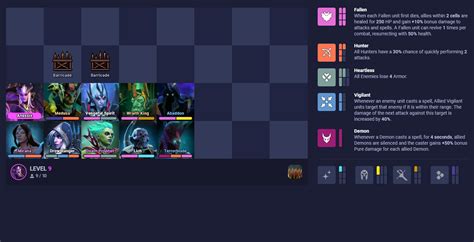
Post-patch meta shifts: How to adapt your build for optimal performance?

The ever-shifting landscape of competitive gaming means that what was once a dominant build can become obsolete overnight. Patches, whether minor hotfixes or major content updates, invariably shake up the meta, demanding players to constantly re-evaluate and adapt their strategies to stay competitive. This guide will walk you through the process of understanding these shifts and optimizing your build for peak performance.
The Immediate Aftermath: Decoding Patch Notes
The first and most crucial step in adapting to a new meta is to thoroughly read and understand the official patch notes. Don’t just skim for your main character or favorite item; read everything. Pay close attention to changes that affect core game mechanics, popular items, abilities, or even environmental factors. Sometimes, a seemingly minor tweak to an obscure item can have massive ripple effects across the entire game.
It’s not enough to know what changed; you need to understand why it changed and what the developers’ intentions might have been. Are they trying to reduce a certain playstyle’s dominance? Are they promoting diversity? Understanding the underlying philosophy can help you predict future trends and make more informed decisions.
Identifying Key Meta Changes
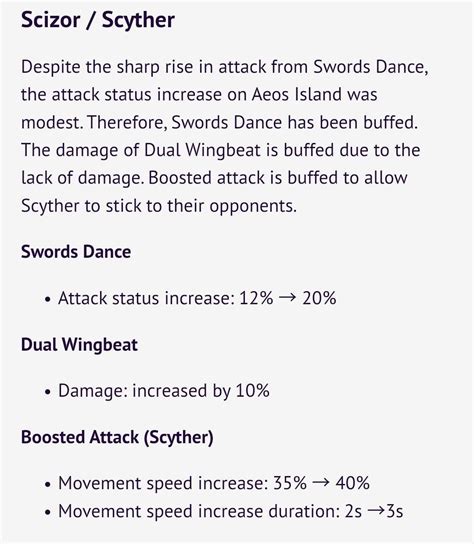
Once you’ve digested the patch notes, the next step is to identify the most significant meta shifts. Categorize changes: are there major nerfs to previously dominant abilities or items? Have any underperforming elements received substantial buffs? Are there new items, characters, or mechanics introduced that could open up entirely new strategies?
Think about how these changes impact the game’s core loops. If a primary damage type was nerfed, does a defensive stat become more valuable? If a critical crowd-control ability was weakened, do mobility options gain importance? Consider the power curve at different stages of the game (early, mid, late) and how specific builds might scale differently now.
Evaluating Existing Builds and Theorycrafting New Ones
Now, assess your current go-to builds. Are their core strengths still viable? Have their weaknesses been exacerbated? For instance, if your build relied heavily on an item that was nerfed, you’ll need to find an alternative or fundamentally rethink your approach. Don’t cling to old habits out of comfort.
Next, look at what other successful players, streamers, or content creators are trying. While it’s tempting to copy the latest ‘OP’ build, it’s more beneficial to understand the reasoning behind their choices. What problems are they trying to solve? What synergies are they exploiting? Use their insights as a springboard for your own experimentation. Start theorycrafting: mix and match components, focus on synergy, and explore new avenues to address newly prominent threats or opportunities presented by the patch.
Testing and Iteration: The Refinement Process
Theorycrafting is just the start. The real test comes in actual gameplay. Take your new build ideas into less competitive environments first, if available, to iron out the major kinks without significant penalty. Pay close attention to your performance. Are you dealing sufficient damage? Are you survivable enough? Is your utility impactful? Track key metrics and identify patterns.
Don’t be afraid to scrap ideas that aren’t performing. Iteration is key. Minor tweaks to a stat, an ability, or even a different talent choice can make a significant difference. Be patient and methodical. Each game provides valuable data, even if it’s a loss, as it highlights areas where your build might be falling short or where you need to adjust your playstyle.

Staying Ahead: Continuous Adaptation
The meta never truly settles. Even after a major patch, the community will continue to discover new strategies, optimize existing ones, and adapt to subsequent mini-patches. To stay ahead, cultivate a mindset of continuous learning and adaptation. Engage with community discussions, watch high-level gameplay, and read guides from trusted sources. Understand that what’s optimal today might be merely good tomorrow.
Being proactive means anticipating changes and being ready to adjust. The players who consistently perform at a high level are not just skilled; they are masters of adaptation. They view each patch not as a disruption, but as an opportunity to innovate and outmaneuver their opponents.

Conclusion
Adapting to post-patch meta shifts is a fundamental skill for any serious gamer. It requires careful analysis of patch notes, critical evaluation of existing strategies, creative theorycrafting, and rigorous testing. By embracing a proactive, analytical, and experimental approach, you can not only navigate the ever-changing landscape of competitive gaming but also consistently optimize your builds for peak performance and gain a significant edge over the competition. Embrace the change, and let it fuel your growth as a player.