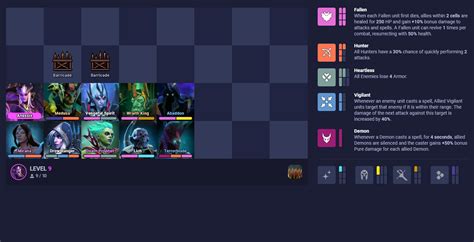
Post-patch: What’s the optimal PvE build for solo play to maximize efficiency?

In the ever-evolving world of online gaming, a new patch can completely upend the established meta, leaving players scrambling to re-evaluate their strategies. For solo PvE players, maximizing efficiency isn’t just about faster clears; it’s about sustainable progression, resource management, and ultimately, a more enjoyable gameplay experience. This guide will walk you through the thought process of adapting your solo PvE build post-patch to ensure you remain at the peak of your performance.
Understanding the Patch Impact
Before diving into specific build adjustments, it’s crucial to first understand the overarching impact of the new patch. Game developers often introduce changes that can range from minor numerical tweaks to complete overhauls of skill systems, gear properties, or even enemy encounters. Pay close attention to:
- Ability Changes: Were any of your core active or passive abilities buffed, nerfed, or reworked? This can drastically alter your damage output or survivability.
- Gear Adjustments: Did specific item sets, legendary affixes, or unique gear pieces receive updates? A change to a single key item can make or break an entire build.
- Enemy Mechanics: Are there new enemy types, altered boss mechanics, or changes to dungeon/raid layouts that necessitate a different approach?
- Resource Economy: Have resource generation or consumption rates been adjusted, potentially affecting your rotation or sustain?
Thoroughly reading patch notes and observing initial community feedback are vital first steps to gauging the new landscape.

Core Principles of Solo PvE Efficiency
An optimal solo PvE build balances several critical aspects. A patch might shift the priority of these, but they remain foundational:
- Survivability: As a solo player, you are your own healer, tank, and damage dealer. Health regeneration, damage mitigation, crowd control (CC) breaks, and evasion are paramount. A dead player deals no damage.
- Damage Output: While survival is key, you also need sufficient damage to clear content in a reasonable timeframe. This can be burst damage for elite enemies or sustained damage for larger groups.
- Utility & Crowd Control: The ability to interrupt, stun, slow, or root enemies is invaluable for managing large pulls, preventing incoming damage, or setting up damage windows.
- Mobility: Quick movement abilities allow for better positioning, escaping dangerous situations, kiting enemies, and speeding up exploration.
The ‘optimal’ build will find the sweet spot where you can comfortably survive challenging encounters while still progressing efficiently.

Key Build Components Post-Patch
Once you understand the patch and your efficiency goals, it’s time to refine the components of your build:
Archetype/Class Selection
Some classes naturally excel in solo PvE due to self-healing, pets, or robust defensive abilities. If your current class took a significant hit, consider if a minor spec change or a deeper dive into alternative skill paths could restore its viability. Look for:
- Self-Sustain: Life steal, health regeneration, protective barriers.
- AoE Potential: Efficiently clear groups of enemies.
- Burst Damage: Quickly dispatch high-priority targets.
- Pet/Minion Support: Additional damage, threat generation, or utility.
Gear & Stats Prioritization
Re-evaluate your gear choices. Did a specific stat become more or less valuable? Are there new set bonuses or unique items that synergize better with the post-patch environment?
- Offensive Stats: Critical chance, critical damage, attack power, spell power, specific damage type bonuses.
- Defensive Stats: Armor, resistances, health, evasion, block chance.
- Utility Stats: Cooldown reduction, resource cost reduction, movement speed.
Often, the optimal strategy involves finding the breakpoint where defensive stats are ‘enough’ and then pouring the rest into offensive stats.
Skill Trees & Abilities
This is where most of the post-patch fine-tuning happens. Analyze your skill tree, talent choices, and active ability bar. Are there new synergies to exploit? Did a previously overlooked skill become powerful?
- Core Rotation: Identify the most efficient sequence of abilities for maximum damage or survivability.
- Utility Skills: Ensure you have sufficient crowd control, interrupts, or defensive cooldowns for various threats.
- Passives: Don’t underestimate the power of passive talents that enhance your core abilities or provide constant benefits.
Consumables & Buffs
Don’t neglect the minor boosts! Potions, elixirs, food buffs, and temporary enchantments can significantly impact your performance, especially when pushing challenging content.
Optimizing Your Playstyle
A great build is only as good as the player piloting it. Your playstyle must adapt to the new patch:
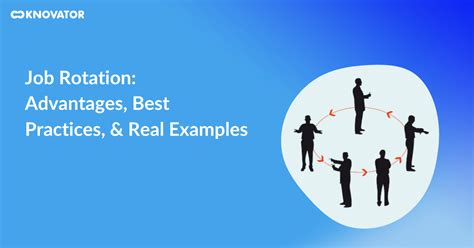
- Rotation Mastery: Practice your new or adjusted skill rotation until it’s second nature. Efficiency often comes from seamless execution.
- Situational Awareness: Learn new enemy attack patterns, safe spots, and threat priorities. When solo, managing adds and avoiding unnecessary damage is key.
- Resource Management: Whether it’s mana, energy, cooldowns, or charges, efficient resource use prevents downtime and keeps you in the fight.
- Mobility & Positioning: Utilize your movement abilities to avoid damage, group enemies, or maintain optimal distance.
Testing and Adaptation
The concept of a ‘perfect’ build is fluid, especially post-patch. What works for one player might not work for another due to playstyle differences, available gear, or even latency. The final step is rigorous testing:
- Trial Runs: Take your revised build into various PvE content – open world, dungeons, specific boss encounters.
- Analyze Performance: Are you clearing content faster? Taking less damage? Running out of resources? Identify weak points.
- Tweak and Iterate: Based on your testing, make small adjustments to skills, gear, or even individual stat allocations. Sometimes a seemingly minor change can yield significant results.
- Community Resources: Engage with other players. Forums, Discord servers, and content creators often provide valuable insights and data that can help refine your build.
Remember, the optimal build isn’t a static destination but an ongoing journey of adaptation and refinement.

Conclusion
A post-patch environment is a dynamic challenge for solo PvE players. By systematically analyzing the patch notes, understanding the core tenets of efficiency, meticulously adjusting your build components, and continually refining your playstyle through testing, you can not only adapt but thrive. Embrace the changes, experiment with new possibilities, and carve out your path to optimal solo efficiency in the evolving game world.