Practical methods for competitive players to manage tilt & maintain focus?
The Silent Assassin of Performance: Understanding and Conquering Tilt
In the high-stakes world of competitive gaming and esports, raw mechanical skill is only half the battle. The other, often more challenging half, is mental fortitude. Every competitive player has experienced ’tilt’ – that spiral of frustration, anger, and loss of composure that can derail an entire match, or even a tournament. Equally crucial, yet often overlooked, is the ability to maintain unwavering focus amidst chaos. This article delves into practical, actionable strategies designed to help competitive players manage tilt and sustain peak mental performance.
Identifying the Roots of Tilt: Know Your Enemy
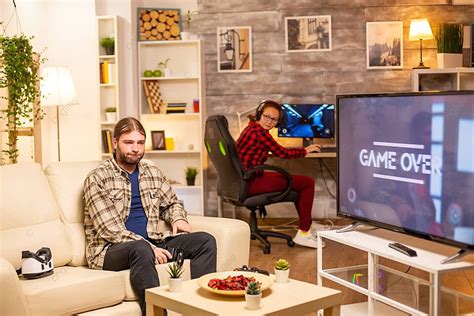
Before you can manage tilt, you must understand its origins. Tilt isn’t just “being mad”; it’s a spectrum of emotional responses triggered by various factors. Common culprits include: individual misplays, teammates’ errors, perceived unfairness (e.g., game mechanics, lag), losing streaks, or even external stress. Recognizing your personal triggers is the first critical step. Keep a mental log, or even a physical one, of what typically sends you spiraling. Is it a missed ultimate ability? A specific type of teammate interaction? Understanding these patterns empowers you to anticipate and prepare.
Once identified, you can begin to build defenses. Is it frustration with your own performance? Focus on improvement and controlled practice. Is it external factors? Learn to compartmentalize. Awareness is your greatest weapon against the insidious nature of tilt.
Pre-Game Rituals: Setting the Stage for Success
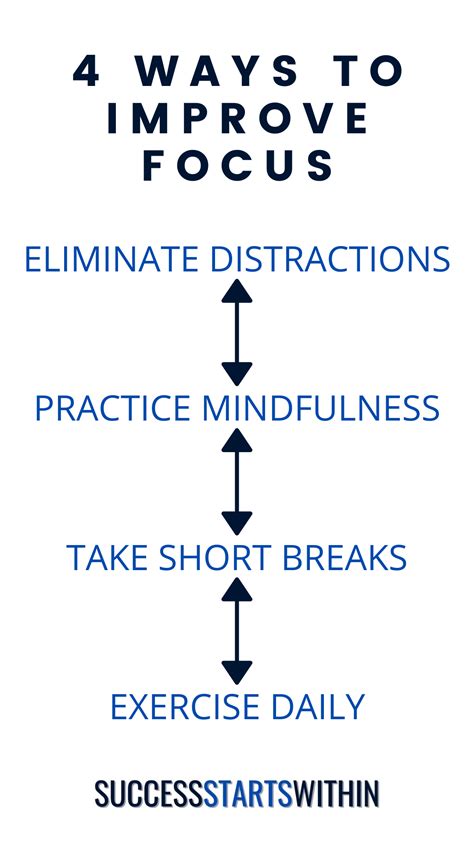
Managing tilt and maintaining focus begins long before the first ‘GG’. A strong pre-game routine can significantly influence your mental state. This isn’t just about warming up your mechanics; it’s about warming up your mind. Consider incorporating:
- Mindful Warm-ups: Instead of jumping straight into ranked, dedicate 10-15 minutes to low-pressure aim training or custom games. Focus on individual actions, not outcomes.
- Breathing Exercises: A few minutes of deep, controlled breathing can calm your nervous system and bring you into the present moment. Inhale slowly for four counts, hold for four, exhale for six.
- Positive Affirmations/Visualization: Briefly visualize successful plays, effective communication, and maintaining composure. Remind yourself of your strengths.
- Environment Control: Ensure your play space is tidy, comfortable, and free from distractions. A cluttered environment can lead to a cluttered mind.
In-Game Resilience: Practical Tilt Interventions
Even with the best pre-game prep, tilt can strike mid-match. The key is to have immediate, actionable strategies to prevent a full-blown meltdown:
- The “Reset” Button: When you feel frustration bubbling, take a literal or mental break. If possible, step away from the keyboard for 10-15 seconds (e.g., during a respawn timer, between rounds). Take a drink of water, stretch, or look away from the screen.
- Deep Breath & Acknowledge: Simply acknowledging “I am feeling frustrated right now” can break the spell. Then, take a slow, deep breath. This disrupts the emotional feedback loop.
- Focus on the Next Play: Don’t dwell on past mistakes. Immediately shift your attention to “What can I do right now to positively impact the game?” This action-oriented mindset pulls you out of the negative spiral.
- Communication Check: If playing with a team, ensure your communication remains constructive. Avoid blaming. Offer solutions. Mute toxic teammates if necessary.

Sustaining Laser Focus: Techniques for Mental Stamina
Beyond managing tilt, maintaining consistent focus is paramount for extended periods of competitive play. This requires active effort:
- Micro-Goals: Break down the game into smaller, manageable objectives. Instead of “win the game,” focus on “win the next skirmish,” “secure the next objective,” or “track enemy cooldowns.”
- Active Listening: For team games, truly listen to callouts and strategize based on information. Don’t just hear; process.
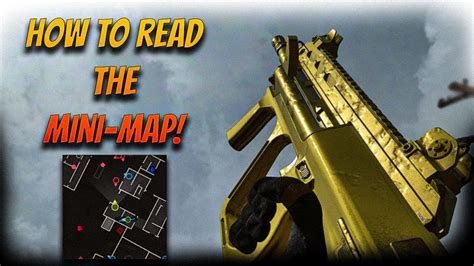
- Environmental Scan: Regularly scan your minimap and surroundings. This helps reset your attention and gather crucial information, preventing tunnel vision.
- Scheduled Breaks: During long sessions, implement short, scheduled breaks (5-10 minutes every hour) to rest your eyes, stretch, and grab a snack. This prevents mental fatigue from building up.
Post-Game Reflection: Learning and Growth
The learning doesn’t stop when the match ends. Post-game analysis is crucial for long-term improvement in both skill and mental resilience.
- Objective Review: Watch replays, but don’t just look for mechanical errors. Analyze your mental state. When did tilt start? How did it affect your decisions?
- Journaling: Jot down notes on what went well, what went wrong, and critically, how you responded emotionally. This builds self-awareness over time.
- Debrief with Teammates: Discuss strategies and emotional responses in a constructive, non-blaming manner. Learn from collective experience.
- Detox: After a tough loss or a tilting session, step away from the game entirely. Engage in a non-gaming activity – exercise, read, talk to friends. Give your mind a chance to reset.
Conclusion: The Path to Unstoppable Performance
Mastering tilt and maintaining focus are not one-time achievements but ongoing journeys of self-awareness and discipline. By implementing pre-game rituals, employing in-game interventions, fostering sustained focus, and engaging in constructive post-game reflection, competitive players can transform their mental game. The true champions aren’t just those with the best aim or fastest reactions; they’re the ones who can remain calm, clear-headed, and focused when it matters most, turning potential pitfalls into stepping stones for success.