Practical VOD review strategies to climb competitive esports ranks?
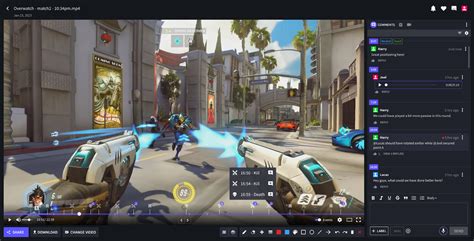
In the high-stakes world of competitive esports, marginal gains can define champions. While practicing mechanics and grinding ranked games are essential, truly understanding your gameplay—both strengths and weaknesses—is what separates consistent climbers from those who stagnate. This is where Video On Demand (VOD) review becomes an indispensable tool. It’s not just about re-watching your games; it’s about employing a systematic, analytical approach to extract actionable insights that directly translate into improved performance and a higher rank.
The Foundation: Why VOD Review Matters
Many players re-watch their games casually, looking for “cool plays” or obvious missteps. However, a practical VOD review transcends passive viewing. It’s a deliberate process of self-assessment that allows you to identify patterns, understand decision-making processes under pressure, and uncover hidden inefficiencies in your gameplay. Without this critical self-reflection, improvement often becomes haphazard and slow. It’s your personal coaching session, available on demand, helping you to see the game from a more objective perspective.
Setting Your Review Objectives
Before hitting play, define what you want to achieve. A broad “get better” isn’t an effective objective. Instead, ask specific questions:
- Am I struggling with early-game positioning?
- Are my mid-game rotations optimal for objective control?
- How often do I misplay crucial team fights or skirmishes?
- Am I effectively utilizing my character’s abilities in key moments?
- What were my biggest mistakes in the last two losses, and why did they happen?
Focusing on one or two specific areas per review session prevents information overload and makes the process more manageable and effective.
Active VOD Review Techniques
Focus on Specifics, Not Everything
Resist the urge to pause every second or analyze every player. Instead, fast-forward through uneventful periods and concentrate on critical moments: engagements, objective contests, rotations, or periods where you felt particularly lost or impactful. Watch these segments multiple times, from different perspectives if possible (your own POV, teammate’s POV, spectator POV).
The Three Pillars: Positioning, Decision-Making, Mechanics
Break down your analysis into these core categories:
- Positioning: Where were you on the map? Were you safe but close enough to contribute? Were you isolated or overextended? Did you have vision control?
- Decision-Making: Why did you choose that action (e.g., engage, retreat, push a lane, use an ultimate)? Was it the optimal play given the available information? What alternatives did you consider, or should you have considered?
- Mechanics: Were your inputs precise? Did you miss crucial abilities or last-hits? Could your combos be executed more smoothly or quickly?
These pillars provide a framework for a thorough and objective assessment of your gameplay.

Taking Actionable Notes
Simply watching isn’t enough. Keep a notepad or a digital document open. Jot down timestamps, descriptions of plays, identified mistakes, and—most importantly—what you could have done differently. For example: “03:15 – Overextended mid, got ganked. Should have warded deeper or played closer to tower.” These notes become a personalized curriculum for improvement.

Comparing Perspectives: Your Own vs. Teammates/Opponents
If your game client or replay system allows, watch from the perspective of a teammate or even an opponent. This can reveal crucial information you missed during live play, such as enemy cooldowns, positioning, or intentions, giving you a holistic understanding of the game state.
Implementing Changes and Tracking Progress
The VOD review process isn’t complete until you’ve actively tried to implement your newfound knowledge in your next games. Pick one or two specific points from your review notes (e.g., “focus on better ward placement in the early game” or “don’t overcommit without vision”) and consciously try to apply them. It will feel awkward at first, but with practice, these improvements will become second nature.
Regularly revisit your older VODs or specific problematic scenarios. Can you identify improvements? Are new issues emerging? This iterative process of review, implementation, and re-review is the engine of consistent rank climbing.
Leveraging External Feedback
While self-review is powerful, external perspectives can be invaluable. Share your VODs with higher-ranked friends, coaches, or even online communities. They might spot blind spots you’ve missed or offer alternative strategies you hadn’t considered. Be open to constructive criticism and use it to refine your self-review process.

Conclusion
VOD review, when executed with purpose and structure, transforms from a casual pastime into a potent training regimen. By systematically identifying errors, understanding their root causes, and proactively implementing corrective strategies, competitive esports players can unlock their full potential and steadily ascend the ranks. Embrace the analytical journey, and watch your gameplay—and your rank—climb to new heights.