



Pro Esports VOD review: How to analyze gameplay for skill improvement?

In the high-stakes world of professional esports, raw talent alone isn’t enough to consistently secure victories. The margins between winning and losing are razor-thin, and the ability to critically evaluate one’s own performance, and that of opponents, is a superpower. This is where Video On Demand (VOD) review comes into play—a meticulous, analytical process that transforms raw gameplay footage into actionable insights for skill improvement.
Why VOD Review is Your Ultimate Training Tool
Unlike traditional sports where live coaching is paramount, esports players have the unique advantage of replaying their entire performance frame by frame. This allows for an unparalleled depth of analysis, revealing errors, missed opportunities, and strategic missteps that are impossible to catch in the heat of the moment. Pro players and teams dedicate significant time to VOD review, understanding it’s not just about identifying mistakes, but understanding the underlying causes and developing corrective strategies. It’s the bridge between recognizing a problem and effectively solving it.

Preparing for an Effective VOD Review Session
Before diving into your recorded gameplay, ensure you’re in the right mindset. Approach the review with an objective, growth-oriented perspective, not one of self-criticism or frustration. You’re not looking to punish yourself for mistakes, but to learn from them. Have a quiet environment, a notepad (physical or digital), and ideally, a recording that includes comms and your perspective (PoV).
What to Record:
- Your full gameplay perspective.
- Team voice communications (if applicable).
- Post-game statistics and scoreboard.
Some players also find it beneficial to record a “target” VOD, perhaps of a top professional player in a similar situation, to compare their decision-making and execution.
The Step-by-Step VOD Analysis Process
Effective VOD review is a structured process, moving from a broad overview to granular detail.
1. The Initial Watch-Through: Get the Big Picture
Watch the entire game through once at normal speed without pausing. Your goal here is to get a feel for the overall flow of the game. What were the key turning points? What felt good or bad? Don’t annotate heavily yet; just absorb the narrative of the match.
2. Deep Dive: Focusing on Key Areas
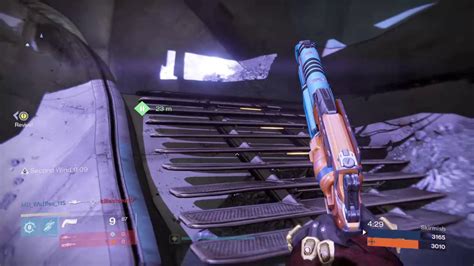
This is where the real work begins. Rewatch the game, but this time, pause frequently and take notes. Break down your analysis into specific categories relevant to your game.
- Decision Making (Macro & Micro):
- Macro Decisions: Map rotations, objective calls, economy management, overall strategy. Were you in the right place at the right time? Did you make the optimal call based on the game state?
- Micro Decisions: Individual engagements, ability usage, target prioritization, item purchases. Did you react correctly in skirmishes? Were your spells used efficiently?
- Mechanics & Execution: How well did you perform your character’s actions? Aim, spell combos, movement, last hitting, dodging. Were there moments of fumbled execution? Could you have performed a sequence faster or more accurately?
- Positioning: Where were you on the map? Were you too aggressive, too passive, or out of position? Were you exposed to enemy threats or did you fail to capitalize on advantageous positions?
- Teamplay & Communication: If in a team game, analyze your interactions. Was your communication clear, concise, and timely? Did you respond effectively to teammates’ calls? Were there instances of miscommunication or lack of synchronization?
- Resource Management: How did you manage in-game resources like health, mana, cooldowns, or currency? Were you efficient, or did you waste resources unnecessarily?

3. Identifying Patterns and Underlying Causes
Don’t just list mistakes; understand why they happened. Did you make the wrong decision because of a lack of information, poor map awareness, or simply tunnel vision? Were mechanical errors due to pressure, fatigue, or needing more practice? Look for recurring themes rather than isolated incidents. For example, if you consistently die when pushing alone, that’s a pattern.

4. Developing Actionable Insights & Practice Goals
The VOD review isn’t complete until you translate your observations into concrete steps for improvement. For each identified pattern or significant mistake, formulate a specific, measurable, achievable, relevant, and time-bound (SMART) goal. Instead of “I need to improve my aim,” try “For the next 5 games, I will focus on crosshair placement before peeking corners.”
- Prioritize 1-3 key areas to focus on per review session.
- Create specific drills or practice routines to address weaknesses.
- Integrate new strategies into your live gameplay.

Maximizing Your VOD Review Efficiency
- Regularity is Key: Make VOD review a consistent part of your training regimen, not just something you do after a bad loss.
- Review with Others: A coach or a trusted teammate can offer an invaluable fresh perspective, pointing out blind spots you might miss.
- Utilize Annotation Tools: Many recording software or dedicated VOD review platforms allow for timestamped notes, drawings, and highlights, making the process more efficient.
- Compare to Pros: Watch how top-tier players handle situations where you struggled. What did they do differently?
- Don’t Overdo It: A 60-minute VOD review can easily take 2-3 hours of analysis. Avoid burnout by setting realistic time limits.
Conclusion
VOD review is more than just rewatching games; it’s a profound act of self-improvement and strategic development. By systematically analyzing your gameplay, identifying patterns, and translating those observations into actionable practice goals, you unlock a powerful pathway to accelerated skill improvement in esports. Embrace the process, be patient, and watch your competitive edge sharpen with every review session.