




Pro tips: How do esports teams refine comms & strategy for tournament success?

In the high-stakes world of esports, where milliseconds can mean the difference between victory and defeat, raw mechanical skill is only one piece of the puzzle. The true champions are those teams that master the art of cohesive communication and intricate strategic execution. Refining these two pillars is a continuous, rigorous process that separates the contenders from the pretenders on the grandest stages.
Establishing Crystal-Clear Communication Protocols
Effective communication in esports isn’t just about calling out enemy positions; it’s a structured language developed over countless hours. Teams implement specific call-out formats, acronyms, and prioritization systems to ensure information is relayed quickly, concisely, and without ambiguity. This includes everything from specific ability usage to target prioritization and macro movements across the map. The goal is to minimize cognitive load during high-pressure situations, allowing players to focus on execution rather than deciphering vague comms.
The Power of Structured Practice and Scrims
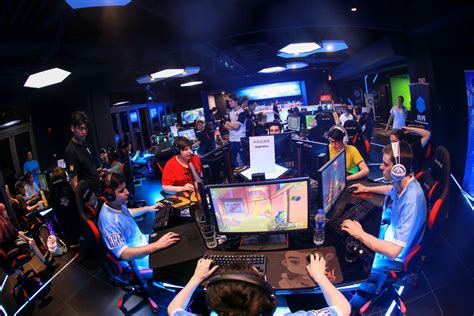
Practice isn’t just playing games; it’s deliberate training. Professional esports teams engage in highly structured scrimmages (practice matches) with specific objectives. These aren’t always about winning; often, they’re about testing new strategies, refining specific teamfight engagements, or practicing coordinated pushes. Coaches often set parameters for scrims, like focusing on early game control, specific objective takes, or practicing defensive holds, irrespective of the final score. Post-scrim discussions are critical, dissecting what worked, what didn’t, and why.
Deep-Dive Video-on-Demand (VOD) Review
One of the most potent tools in an esports team’s arsenal is VOD review. Every scrim, every official match, and even individual player perspectives are recorded and meticulously analyzed. This process allows teams to identify micro-mistakes, capitalize on opponent tendencies, and pinpoint areas for strategic improvement. Coaches and analysts break down every engagement, every rotation, and every decision, often frame-by-frame. This detailed analysis is vital for understanding why certain plays succeeded or failed and for developing counter-strategies.
Developing Dynamic In-Game Strategy & Adaptability
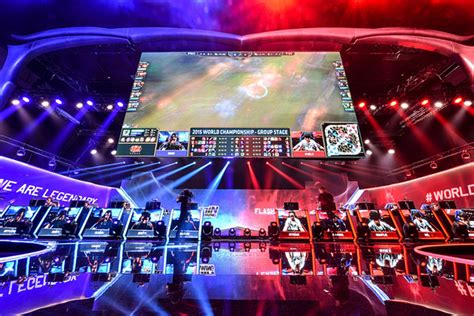
Strategy in esports is rarely static. While teams enter tournaments with prepared game plans, the ability to adapt in real-time is paramount. This involves understanding opponent draft patterns, recognizing in-game tendencies, and making on-the-fly adjustments to counter unexpected plays. Teams practice “contingency comms” – predefined responses to common enemy strategies or unexpected scenarios. This fluid adaptability is honed through scenario-based training, where coaches present difficult in-game situations for the team to navigate and solve under pressure.

The Mental Game: Cohesion and Resilience
Beyond the tactical, the mental aspect of competitive gaming cannot be overstated. A team’s ability to maintain composure under pressure, recover from setbacks, and support each other through intense moments directly impacts their comms and strategy. Sports psychologists are increasingly integrated into esports teams to help players manage stress, build resilience, and foster stronger team cohesion. A unified mental state ensures that communication remains clear and strategy stays on track, even when things go awry.

Continuous Iteration for Peak Performance
The journey to tournament success is a cyclical one, characterized by continuous refinement. Teams iterate on their communication protocols, test new strategies in practice, dissect their performances through VOD review, adapt to evolving metas, and reinforce their mental fortitude. This relentless pursuit of perfection, fueled by a deep understanding of their game and their teammates, is what ultimately propels esports teams to stand victorious on the global stage.